
New Chemistry Improves Surface Performance
Recent developments in the chemistry of silicone and fluorine materials for coatings applications present exciting opportunities from the synergistic effect of these two chemistry sets. The introduction of hydrosilylation-cure fluorine resin technology for coatings applications can significantly broaden the range of applications where this technology could be applied. Fast and low-temperature cure, hardness, flexibility, weatherability, chemical resistance, and adhesion properties are some key performance enhancements achieved with this new technology. Existing and new coatings market segments, including construction, chemical process industry, automotive and electronics, are a few of the applications where improved surface performance is required. These hydrosilylation-curable fluoro-polymer resins can be cured quickly at low temperature, providing significant cost savings and process application flexibility to the coating application process.
Introduction
Fluorine-based materials are extensively used in surface protection due to the unique properties that can be imparted through material design such as water and oil repellency, weatherability, chemical resistance, stain repellency and durability. Silicone-based cure chemistries have been widely used not only for silicone materials, but also for organic polymers. In particular, fast and low-temperature cure properties of the hydrosilylation cure system attracted much interest and has been investigated in numerous applications, especially on plastic substrates, from the perspectives of good productivity and energy saving during application. The following paper describes the development of a hydrosilylation cure-enabled fluoropolymer coating and its unique properties, which are attributed by the synergistic effect of fluorine-based polymer and silicone cure chemistry.
Results and Discussion
A wide range of fluoropolymer coatings exist today that provide substantial performance benefits to the end user, but many of these coatings are limited in their use due to the processing conditions required for film formation on a substrate. One of the most common coatings is polytetrafluoroethylene (PTFE) used as a low-maintenance coating for cookware and bake ware. PTFE provides excellent stain resistance and durability but requires high-temperature processing when applied on a substrate, limiting its application to temperature-resistant substrates. Vinylidene fluoride (PVDF) and other common fluoropolymers such as copolymers of tetrafluoroethylene and perfluoroalkyl vinylether (PFA) or tetrafluoroethylene and ethylene (ETFE) also require high-temperature processing. In addition, the high degree of crystallinity in these polymers makes their solubility in common organic solvents very poor and limits the options for processing and fabrication of these materials as coatings.
Monomers such as tetrafluoroethylene and
chloro-trifluoroethylene can be copolymerized with a variety of different vinyl
monomers to yield polymeric materials that are amorphous in structure and have
excellent solubility in common organic solvents. Reactive functionality can
also be introduced into these copolymers through the introduction of suitably
functionalized monomers during the polymerization process. Polymers of this
type have excellent room-temperature processability and can be readily
fabricated into coatings and films on a wide variety of substrates. Using TFE
as the monomer enables some of the inherent characteristics of PTFE to be
retained in the final copolymer (TFEC) such as excellent weatherability and
dirt resistance, but with the added advantage of the improved ease of
processing. The properties of common fluoropolymers are summarized in Table 1.

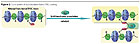
Figure 1 summarizes the structural components of the newly developed TFEC and
their role in providing performance properties to a finished coating. The
introduction of alkenyl groups into TFEC enables the hydrosilylation
crosslinking that is widely used today in many common reactive silicone
materials. In terms of fluoro resin functionality the TFE unit contributes
excellent weatherability, chemical resistance and anti-corrosion properties,
while incorporation of vinyl monomers enables modification of the co-polymer
characteristics to provide important properties such as transparency, solvent
solubility and compatibility with pigments and polymer additives. The TFEC
coating can be cured with conventional Si-H-containing crosslinkers in the
presence of a platinum catalyst, as shown in Figure 2.
Looking for a reprint of this article?
From high-res PDFs to custom plaques, order your copy today!