Greening the CARC System
Continued innovations in materials and formulations are improving the performance of CARC systems while reducing their environmental impact.
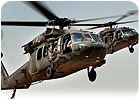
Beginning in 1974, the U.S. military through the Army Research Lab (ARL) and Tank Automotive and Armaments Command (TACOM) standardized the coating requirements for all military vehicles. Coatings had to avoid absorption of chemical warfare agents, increase the field life of the vehicle through extended corrosion resistance, and offer both visual (as seen by the naked eye) and infrared levels of camouflage. The resulting chemical agent resistant coating (CARC) system was introduced.
The original CARC system consisted of high-volatile-organic-compound (VOC) chromate wash primers (DOD-P-15328 and MIL-C-8514C); high-VOC, chrome-free epoxy primers (MIL-P-53022); and a high-VOC, two-component urethane topcoat meeting the unique chemical resistant and infrared camouflage requirements (MIL-C-46168). The system improved the overall safety of troops in the field through enhanced camouflage and also allowed vehicles exposed to chemical agent warfare to be decontaminated. Prior to the inception of the CARC system, the only option was to abandon or destroy chemically contaminated vehicles in the field.
The CARC system was easy to apply, fast drying and forgiving in a myriad of environmental conditions, but the coatings emitted high levels of VOCs. ARL and TACOM challenged CARC manufacturers to develop more environmentally responsible formulations.

The first water-dispersible, low-VOC, HAPS-free camouflage topcoats became available in the late ’80s. These coatings would eventually become the benchmark and basis for ARLs introduction in 2002 of MIL-DTL-64159 Type I, a water-dispersible CARC topcoat flattened with silica (Type I)-based pigments. These coatings contained just 1.5 lb/gal VOCs and had extended UV durability. ARL then issued MIL-DTL-64159 Type II after determining that adding polymeric flattening agents dramatically improved the coating’s mar resistance and already outstanding UV resistance. Shortly thereafter, ARL realized the obsolescence of MIL-C-46168, the original CARC topcoat, and cancelled the specification in October of 2005.
ARL then began to take a hard look at how to improve the current MIL-C-53039 system and again challenged CARC topcoat manufacturers to offer solutions. HAPs-free versions of the MIL-C-53039 specification were developed, along with 1.5 and 1.0 lb/gal VOC solutions for the MIL-DTL-53039 Type II specification. Suppliers also worked to develop MIL-DTL-53039 Type II polymeric flattened topcoats in a 1.5 lb/gal VOC version that offered the improved mar resistance and UV stability of the water-reducible MIL-DTL-64159 Type II CARC topcoats in a single-component, moisture-cured system.
MIL-P-53030, a water reducible epoxy primer, was originally introduced in the early ’80s but fell short of ARLs long-term corrosion requirements. New MIL-DTL-53030 2.5 lb/gal VOC and HAPs-free epoxy primers offer a completely water-reducible primer and topcoat system and high corrosion resistance when used with MIL-DTL-64159 Type II CARC topcoats.<
ARL further plans to eliminate all silica-based and 3.5 VOC CARC topcoats, opting only for the lower-VOC, HAPs-free MIL-DTL-64159 Type II and MIL-DTL-53039 Type II polymeric-based versions. ARL and TACOM also have requested more corrosion-resistant CARC systems that use zinc-rich primers to increase the overall life of military vehicles in the field. Single-component, moisture-cured, zinc-rich primers containing 90% zinc in the dry paint film are available to meet this goal. The zinc-rich primers offer self-sacrificing characteristics, whereby the zinc sacrifices itself before the steel corrodes. This “extended corrosion” protocol is now being found in many TACOM contracts and drawings.
Many changes are taking place in the CARC marketplace. Through continued innovations in materials and formulations, coating suppliers are helping the military “go green” without sacrificing performance.
For more information, visit www.ncpcoatings.com or www.nvsc.it.
Beginning in 1974, the U.S. military through the Army Research Lab (ARL) and Tank Automotive and Armaments Command (TACOM) standardized the coating requirements for all military vehicles. Coatings had to avoid absorption of chemical warfare agents, increase the field life of the vehicle through extended corrosion resistance, and offer both visual (as seen by the naked eye) and infrared levels of camouflage. The resulting chemical agent resistant coating (CARC) system was introduced.
The original CARC system consisted of high-volatile-organic-compound (VOC) chromate wash primers (DOD-P-15328 and MIL-C-8514C); high-VOC, chrome-free epoxy primers (MIL-P-53022); and a high-VOC, two-component urethane topcoat meeting the unique chemical resistant and infrared camouflage requirements (MIL-C-46168). The system improved the overall safety of troops in the field through enhanced camouflage and also allowed vehicles exposed to chemical agent warfare to be decontaminated. Prior to the inception of the CARC system, the only option was to abandon or destroy chemically contaminated vehicles in the field.
The CARC system was easy to apply, fast drying and forgiving in a myriad of environmental conditions, but the coatings emitted high levels of VOCs. ARL and TACOM challenged CARC manufacturers to develop more environmentally responsible formulations.
Suppliers are working to develop lower-VOC, HAPs-free MIL-DTL-64159 Type II and MIL-DTL-53039 Type II polymeric-based CARC topcoats to replace earlier silica-based versions.
Overcoming Challenges
As the reformulated CARC systems aged in the field, they proved out their ability to improve troop safety and corrosion resistance. However, it also became apparent that the MIL-C-46168 and MIL-C-53039 topcoats had shortcomings. Due to their extremely low gloss, the systems were easily marred and damaged by human touch. The systems also exhibited poor overall ultraviolet (UV) resistance, and although the newer formulations were lower in VOCs than the original coatings, they still contained hazardous air pollutants (HAPs). Coating suppliers began work on new HAPs-free CARC topcoats that would provide improved performance.The first water-dispersible, low-VOC, HAPS-free camouflage topcoats became available in the late ’80s. These coatings would eventually become the benchmark and basis for ARLs introduction in 2002 of MIL-DTL-64159 Type I, a water-dispersible CARC topcoat flattened with silica (Type I)-based pigments. These coatings contained just 1.5 lb/gal VOCs and had extended UV durability. ARL then issued MIL-DTL-64159 Type II after determining that adding polymeric flattening agents dramatically improved the coating’s mar resistance and already outstanding UV resistance. Shortly thereafter, ARL realized the obsolescence of MIL-C-46168, the original CARC topcoat, and cancelled the specification in October of 2005.
ARL then began to take a hard look at how to improve the current MIL-C-53039 system and again challenged CARC topcoat manufacturers to offer solutions. HAPs-free versions of the MIL-C-53039 specification were developed, along with 1.5 and 1.0 lb/gal VOC solutions for the MIL-DTL-53039 Type II specification. Suppliers also worked to develop MIL-DTL-53039 Type II polymeric flattened topcoats in a 1.5 lb/gal VOC version that offered the improved mar resistance and UV stability of the water-reducible MIL-DTL-64159 Type II CARC topcoats in a single-component, moisture-cured system.
MIL-P-53030, a water reducible epoxy primer, was originally introduced in the early ’80s but fell short of ARLs long-term corrosion requirements. New MIL-DTL-53030 2.5 lb/gal VOC and HAPs-free epoxy primers offer a completely water-reducible primer and topcoat system and high corrosion resistance when used with MIL-DTL-64159 Type II CARC topcoats.<
Future Requirements
ARL and TACOM have now set their sites on the pretreatment side of the CARC system with the goal to eliminate heavy chromium metals from pretreatment systems and wash primers. Suppliers are developing new lower-VOC, HAPs-free/chrome-free wash primers that meet all of the requirements of DOD-P-15328 and MIL-C-8514C chrome-containing wash primers currently in use. Some of these products are expected to be commercially available this summer.ARL further plans to eliminate all silica-based and 3.5 VOC CARC topcoats, opting only for the lower-VOC, HAPs-free MIL-DTL-64159 Type II and MIL-DTL-53039 Type II polymeric-based versions. ARL and TACOM also have requested more corrosion-resistant CARC systems that use zinc-rich primers to increase the overall life of military vehicles in the field. Single-component, moisture-cured, zinc-rich primers containing 90% zinc in the dry paint film are available to meet this goal. The zinc-rich primers offer self-sacrificing characteristics, whereby the zinc sacrifices itself before the steel corrodes. This “extended corrosion” protocol is now being found in many TACOM contracts and drawings.
Many changes are taking place in the CARC marketplace. Through continued innovations in materials and formulations, coating suppliers are helping the military “go green” without sacrificing performance.
For more information, visit www.ncpcoatings.com or www.nvsc.it.
Looking for a reprint of this article?
From high-res PDFs to custom plaques, order your copy today!