Painting & Coating Industry (PCI) logo Powder coating summit logo
search
cart
facebook twitter linkedin youtube
  • Sign In
  • Create Account
  • Sign Out
  • My Account
Painting & Coating Industry (PCI) logo Powder coating summit logo
  • NEWS
    • Latest News
    • Market Trends & Reports
    • Finishing News
    • Price Alerts
    • Subscribe to Newsletters
    • Global Top 10/ PCI 25
    • Weekly Featured Article
    • COATLE Word Game
  • PRODUCTS
    • Product News
    • Must See Products and Services
  • MATERIALS
    • Additives
    • Resins/Polymers
    • Pigments
    • Equipment
    • Distributors
  • TECHNOLOGIES
    • Adhesives
    • Architectural Coatings
    • Finishing Articles
    • Finishing Technologies
    • Finishing Equipment
    • Industrial Coatings
    • Nanotechnology
    • Powder Coatings
    • Solventborne
    • Special Purpose Coatings
    • Sustainability
    • UV Coatings
    • Waterborne
  • RESOURCES
    • Columns
      • Did you know?
      • Distribution Dive
      • Formulating With Mike
      • Innovation Insights
      • Powder Coating Perspectives
      • TiO2 Insider
    • Blogs
      • Editor's Viewpoint
      • Industry Insights
    • Coatings Supplier Handbook
    • Podcasts and Videos
      • COAT-IT! Podcast
      • Videos/PCI TV
    • PCI Store
    • Classifieds
    • eBooks
    • Sponsor Insights
    • White Papers
    • COATLE Word Game
  • EVENTS
    • Coatings Trends & Technologies Summit
    • Paint and Coatings Academy
    • Webinars
    • Calendar of Events
    • Lifetime Achievement Award
  • DIRECTORIES
    • Buyer's Guide
    • Equipment Directory
    • Materials Directory
  • EMAGAZINE
    • Current Issue
    • eMagazine Archive
    • China Issue Archive
    • Editorial Advisory Board
  • CONTACT
    • Contact Us
    • Advertise
    • Subscribe to eMagazine
    • Subscribe to Newsletters
  • SIGN UP!
Architectural Coatings

What Trends Are Impacting Exterior and Interior Architectural Coatings?
By Emily Newton, Editor-in-Chief, Revolutionized Magazine
What Trends Are Impacting Exterior and Interior Architectural Coatings?
urfinguss, iStock / Getty Images Plus, via Getty Images
June 25, 2021

Successful design and construction projects require the participating professionals to determine the best ways to meet a client’s immediate and long-term needs. Architectural coatings often play vital roles in attaining such goals.

For example, a customer in the restaurant industry may have a large outdoor seating area. Applying exterior architectural coatings on decks and similar structures helps them withstand weather and frequent use.

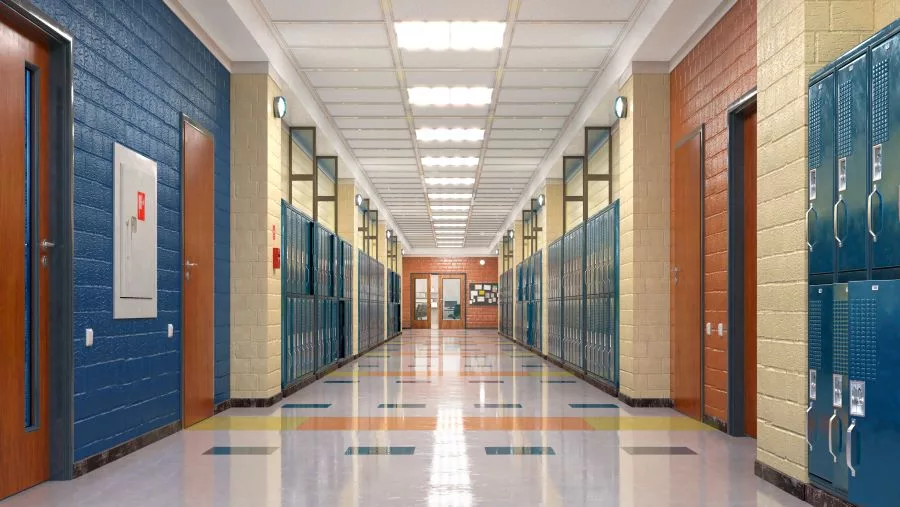
Conversely, interior architectural coatings add color and durability to the walls of schools, hospitals, dormitories and other places that may have hundreds of people passing through them daily. Moreover, architectural metal coatings add visual appeal to panels, plus protect from chipping, fading and peeling.

Here’s a look at some of the architectural coating trends that have affected the market and will likely continue doing so for the foreseeable future.


Applying Coatings as Virus Fighters

The COVID-19 crisis necessitated changes to companies worldwide. Many business layouts changed to keep people more spread out, and organizational leaders frequently invested in products such as plastic shields to better protect employees working in customer contact roles.

However, entities in the architectural coatings sector began investigating their role in addressing the virus’s spread. By November 2020, Italian company Stardust Powder Coatings had released a virucidal coating for metal surfaces found indoors. Independent lab tests indicated that the coating showed antiviral activity after remaining in contact with a virus for a couple of hours, as well as a whole day. The added layer reportedly works well on metal furniture and light fixtures.

In another example, a Virginia Tech engineering professor created a coating for stainless steel and glass to inactivate the virus that causes COVID-19. The product caused a 99.9% reduction one hour after application.

The novel coronavirus caused a global health crisis. However, one potentially positive aspect is that it taught people numerous lessons they can use to prevent and minimize future pandemics. Relevant professionals can contribute by continuing to explore how other interior architectural coatings could keep people healthier.


Choosing Coated Surfaces to Reduce Upkeep for Frequently Used Buildings and Structures

People tasked with building or renovating high-traffic structures often apply interior and exterior architectural coatings to reduce the future maintenance required. Even if the associated steps involve more time and money to complete, the additional resources are often worthwhile due to the expenses saved over the long term.

For example, Pennsylvania’s Penn Street Bridge rehabilitation project involved using concrete coatings to get a uniform finish across the new and existing material used while increasing the overall surface protection. The team brought texture to the new smooth concrete with a two-part, breathable and polymer-modified cementitious base coat. Later, they applied a breathable acrylic topcoat to increase longevity and even out the road’s appearance.

People also rely on exterior architectural coatings after considering the intended public use and traffic levels for renovated spaces. For example, they may choose materials with anti-graffiti or scratch-resistant properties to keep them looking beautiful for years despite ongoing use.

Similarly, manufacturers often apply interior architectural coatings to give floors anti-scuff and anti-slip properties. These painted surfaces tolerate frequent use while helping prevent accidents. Considering the amount of moisture in an environment is crucial. A factory’s generally dry areas need less anti-slip protection than those where people frequently use and encounter water. However, choosing strategic colors for the paint can warn individuals of wet areas.

This ongoing trend of people choosing coatings based on anticipated usage and maintenance will remain prominent. That’s especially true as decision-makers assess how to cut long-term costs.


Relying on Window Coatings to Save Energy

Researchers are also curious about how applying architectural coatings on windows could bring more energy efficiency. There’s already a push to prevent wasted power and electricity through products like sensors and smartphone apps. Specialized coatings could become another approach to try along with those.

A team recently created an algorithm to determine the best design parameters for millions of possible scenarios. Additionally, their approach involved building a prototype of a window. It has dozens of layers that work together to control the amount and frequency of light passing through the pane. Some of them feature nanophotonic coatings that adjust the incoming light frequencies. The smart window also has a solar cell, and any light that doesn’t pass through the glass gets converted into electricity.

The above example requires installing a special window with layers of varying thickness. However, another energy-saving approach recently announced by researchers allows using existing windows rather than replacing them with new options. It involves a heat-blocking, electricity-conducting spray that provides a clear, ultra-thin coating.

The developers envision this quick method becoming a standard process for saving money on new builds and retrofitting projects. They also use a programmable automated sprayer that increases scalability.


Using Exterior Architectural Coatings to Address Current and Future Needs

Architectural coatings also encourage designers to have a future-minded outlook when building or renovating structures. One recent example concerned the revamping of a Cincinnati, Ohio, neighborhood called Over the Rhine. Some of the goals were to blend materials and give the improved area a fresh look and not clash with historical buildings.

Architectural metal coatings factored into a 15-year revitalization effort featuring colorful panels on the outside of a multiuse housing and retail development. About 1,700 square feet of aluminum panels included a 70% polyvinylidene fluoride (PVDF) coating with a 30-year warranty on the finish. That protective layer stops the material’s appearance from deteriorating over time.

Another recent example involved creating an ultra-white roof paint to keep structures cooler without so much dependence on air conditioning. Projects mentioned earlier involved applying coatings to a building’s windows. This approach might complement those by targeting a different area of a structure.

Developers suggest that the paint could give 10 kilowatts of cooling power if people cover a 1,000-square-foot roof with it. The formulation has an extremely high concentration of a chemical compound called barium sulfate in various-sized particles. Those pieces help scatter the sun’s light spectrum, causing the paint to be much more reflective than conventional options offer.

Architects make ongoing efforts to design buildings that can withstand climate change’s effects. As many scientists predict rising temperatures, it will become increasingly warranted to make building design choices accordingly.


Architectural Coatings Are Crucial

You may not always notice architectural coatings, but will often pick up on their effects. These additions increase functionality by making a structure cooler or easier to maintain. The trends listed here are shaping the sector and will likely get incorporated into more buildings soon.

KEYWORDS: antiviral coatings exterior coatings interior coatings Protective Coatings

Share This Story

Looking for a reprint of this article?
From high-res PDFs to custom plaques, order your copy today!

Emily Newton, Editor-in-Chief, Revolutionized Magazine

Recommended Content

JOIN TODAY
to unlock your recommendations.

Already have an account? Sign In

  • pci1022-Kinaltek-Lead-1170.jpg

    A Novel Pigment Production Technology

    Following an extensive R&D program that demonstrated...
    Paint and Coating Pigments
    By: Jawad Haidar and Nitin Soni
  • pci global top 10

    2025 Global Top 10: Top Paint and Coatings Companies

    The following is PCI’s annual ranking of the top 10...
    Paint and Coating Market Reports
    By: Courtney Bassett
  • 2025 pci 25

    2025 PCI 25: Top Paint and Coatings Companies

    PCI's annual ranking of the top 25 North American paint...
    Paint and Coating Market Reports
    By: Courtney Bassett
You must login or register in order to post a comment.

Report Abusive Comment

Manage My Account
  • eMagazine
  • Newsletters
  • Online Registration
  • Subscription Customer Service

More Videos

Sponsored Content

Sponsored Content is a special paid section where industry companies provide high quality, objective, non-commercial content around topics of interest to the PCI audience. All Sponsored Content is supplied by the advertising company and any opinions expressed in this article are those of the author and not necessarily reflect the views of PCI or its parent company, BNP Media. Interested in participating in our Sponsored Content section? Contact your local rep!

close
  • colorful building exterior
    Sponsored byDow

    Insights into Exterior Architectural Coating Degradation: Bridging Accelerated and Natural Weathering

  • digital pigments
    Sponsored bySiltech

    The Fourth Dimension of Silicon: Siltech Q Resins

Popular Stories

Company News

What the AkzoNobel–Axalta Merger Means for the Future of Coatings

AkzoNobel and Axalta Headquarters

AkzoNobel and Axalta Announce $25 Billion Merger

Wacker logo

WACKER Plans More Than 1,500 Job Cuts

pci academy

PCI Buyers Guide

Submit a Request for Proposal (RFP) to suppliers of your choice with details on what you need with a click of a button

Start your RFP

Browse our Buyers Guide for manufacturers and distributors of all types of coatings products and much more!

Find Suppliers

Events

September 4, 2025

N-Butylpyrrolidone (NBP) as a Green Solvent to Replace N-Methylpyrrolidone (NMP) in Industrial Coating Applications

ON DEMAND: EPA published a regulation proposal around N-methylpyrrolidone (NMP) in June 2024 to ban or limit NMP in many applications, such as paints and coatings and their removers. N-butylpyrrolidone (NBP) is a powerful and versatile solvent for a variety of industries looking for alternatives to substance of very high concern (SVHC)-listed solvents.

March 24, 2026

The Manufacturing & Automation eXchange (MAX)

MAX presents a rare opportunity to observe the full scope of manufacturing in one environment. From systems integration and materials handling to automation, quality, safety, and packaging, each discipline is represented through live, operational displays. By experiencing these technologies side by side, as they are on actual production floors, attendees gain a grounded understanding of how manufacturing functions align, overlap, and evolve in practice.

View All Submit An Event

Poll

Longest-running laboratory experiment

What is the longest-running laboratory experiment?
View Results Poll Archive

Products

Automotive Paints and Coatings, 2nd Edition

Automotive Paints and Coatings, 2nd Edition

Now in its second edition and still the only book of its kind, this is an authoritative treatment of all stages of the coating process.

See More Products
pci case ebook

PCI webinar

Related Articles

  • Wood Coatings

    Interior/Exterior, High-Performance Coatings

    See More
  • pci0321-Chemquest-459650134-900.jpg

    Emerging Trends Impacting the Global Coatings Market

    See More
  • IndustryInsights-Fixr.jpg

    2025 Interior Design and Color Trends Report

    See More

Related Products

See More Products
  • Formulating for Architectural Coatings (Virtual Course - 5/21/26)

  • biopolymer.jpg

    Biopolymer-Based Films and Coatings Trends and Challenges

See More Products

Events

View AllSubmit An Event
  • April 23, 2025

    A New Multi-Functional Silicone Emulsion for Durable Exterior Architectural Coatings

    On Demand We will focus on how this functional silicone additive can enhance coating performance over time, without sacrificing other desired properties such as incompatibility, surface blooming and poor dirt pickup that is seen with traditional silicone polymer-based additives.
View AllSubmit An Event
×

Keep the info flowing with our eNewsletters!

Get the latest industry updates tailored your way.

JOIN TODAY!
  • RESOURCES
    • Advertise
    • Contact Us
    • Directories
    • Store
    • Want More
    • Manufacturing Division
  • SIGN UP TODAY
    • Create Account
    • eMagazine
    • Newsletters
    • Customer Service
    • Manage Preferences
  • SERVICES
    • Marketing Services
    • Reprints
    • Market Research
    • List Rental
    • Survey & Sample
  • STAY CONNECTED
    • LinkedIn
    • Facebook
    • Youtube
    • X (Twitter)
  • PRIVACY
    • PRIVACY POLICY
    • TERMS & CONDITIONS
    • DO NOT SELL MY PERSONAL INFORMATION
    • PRIVACY REQUEST
    • ACCESSIBILITY

Copyright ©2025. All Rights Reserved BNP Media.

Design, CMS, Hosting & Web Development :: ePublishing