BASF Connects Corrosion Protection to Lower Emissions
EUROCORR 2025, the leading international conference for corrosion science and technology, takes place Sept. 7–11 in Stavanger, Norway. Experts from around the world will work together to discover how to better protect components from corrosion. Effective protection extends the durability of components and significantly reduces the need for raw materials as well as emissions of greenhouse gases.
“Protecting metals is an important topic in all areas of the industrial value chain. To minimize damage, for example from rust, we need interdisciplinary collaboration to research and develop new technologies and processes,” said Dr. Patrick Keil, corrosion protection expert at BASF Coatings. He is a senior executive of the organization that runs the EUROCORR conference series.
Corrosion has a significant negative economic impact worldwide. According to the IMPACT study published by the Association for Materials Protection and Performance (AMPP), the annual global costs of corrosion exceed 3% of global gross domestic product. Corrosion affects nearly all industrial sectors, such as energy, chemicals and pharmaceuticals and their production facilities, as well as infrastructure such as bridges and pipelines, and transportation, including aviation, automotive, rail and shipping.
“The costs associated with corrosion are only one part of the problem. Corrosion is also a significant contributor to climate change,” Keil said. This is illustrated by figures published in a 2022 study: It is estimated that 15% to 33% of annual steel production is allocated to replacing corroded steel, accounting for 1.6% to 3.4% of global CO₂ emissions. “Researching innovative corrosion technologies and improving corrosion management is thus a key lever to increase sustainability,” said Keil.
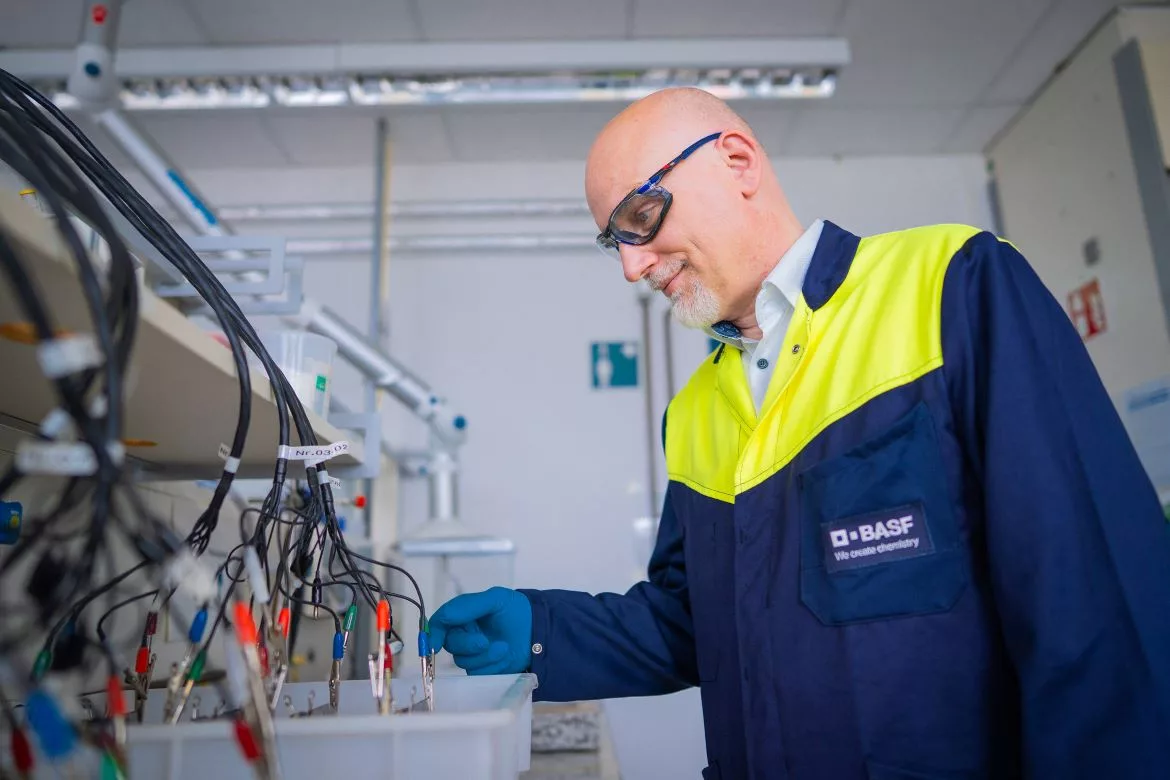
At the headquarters of BASF Coatings in Münster, Germany, Keil and his team conduct research on corrosion protection using coatings and corrosion inhibitors. “These are chemical substances that increase the corrosion resistance of metals and alloys,” he explained. One way they work is by forming a protective passivation layer that minimizes contact with corrosive elements such as chloride ions, water and oxygen.
Keil also deploys digital tools in his research projects. Using machine learning and artificial intelligence, he analyzes historical research data and chemical properties of molecules. These technologies aid in pattern recognition and predicting the most promising chemical compounds for corrosion inhibition. The effects of these compounds can also be simulated.
For more information about Keil’s research projects and the importance of corrosion protection for greater sustainability, see his interview in the Smart Scientists series on the BASF website.
See more coverage on sustainability across the coatings industry.
Looking for a reprint of this article?
From high-res PDFs to custom plaques, order your copy today!