Attracting and Retaining Top Talent in Chemical Distribution and Beyond
Across the chemical distribution industry and its adjacent supply chain sectors, like paint and coatings, chemical products matter, logistics matter and regulatory compliance matters. But none of this happens without the people who keep our industries moving. As businesses face tight labor markets, with more job openings than employees to fill, it’s important for industries to recognize the factors that help attract new talent and retain current employees amid a competitive job market.
Recruitment and retention of top talent is not just a human resources challenge; it can also impact operational growth. To ensure our companies and supply chain partners continue to excel in the current global economy, the Alliance for Chemical Distribution (ACD) has been considering how to improve talent acquisition in our sector. Additionally, we are examining how to address the challenges we already face, such as reevaluating workers’ perceptions of our industry, responding to an aging workforce and bridging the technical know-how gap.
Understanding the Next-Generation Workforce
As businesses think about growth in the near- and long-term, talent will undoubtedly be a driving force. Recognizing the distinct priorities and expectations different generations, including younger Millennials and Gen Z, expect from employers is paramount. The chemical industry is often described as the “invisible industry” because it is essential to daily life, yet it’s rarely seen. While consumers interact with finished products, including paint and coatings, they rarely consider the complex network that sources the chemical products behind them. Over the years, ACD has realized there is an awareness gap in our industry, what we do, and why we do it. So, we brought in the Center for Generational Kinetics (CGK) to help us sort out how we can better recruit, retain and build a workforce prepared for tomorrow.
In a recent analysis, CGK surveyed 1,000 U.S. adults aged 18-48 to uncover the perceptions, motivations and barriers to pursuing careers in the chemical distribution industry. The findings detail today’s challenges and identify clear opportunities to reshape the industry’s reputation and attract new talent. Many of these findings can be applied across the chemical distribution and manufacturing supply chain, such as paint and coatings. CGK found there is a significant awareness gap about the chemical distribution industry and identified areas that are important to prospective workers today. Here are some of the key challenges:
- Educate: The chemical distribution industry must bridge the awareness gap that exists about the industry. CGK found there was not a rejection of the industry, but rather 43% of younger Americans do not know what the chemical industry actually does. Negative sentiment around the industry was low at only 15%.
- Humanize: Authentic employee stories can better connect with prospective employees. As an example, while the industry has made strides in recruiting more women into what is a traditionally male-dominated field, CGK found young female professionals are particularly unaware of the industry or if they are they perceive the skills needed are higher than the requirements might state. Clearer job descriptions and the establishment of female role models can help close this gap.
- Differentiate: Younger Americans want reassurance the industry offers secure, long-term careers. Strong benefits and job stability rank as the top two attractors – outranking pay, flexibility, or mission – for those searching and applying for a job in the chemical distribution industry. CGK found older millennials and Gen X are more open to industry roles than younger millennials and Gen Z. And for Gen Z specifically, CGK found the industry – and its supply chain partners – need to communicate safety and environmental practices more overtly.
- Inspire Confidence: Certain safety perceptions of the industry are image barriers in recruitment. More than half (55%) of respondents said the industry “sounds more dangerous than exciting.” Our safety records are excellent but we aren’t shouting that from the rooftops. Younger Americans need to hear more about how we protect them, our communities and the environment so they understand us better, leading to more applications.

Credit: Saksit Sangtong / iStock via Getty Images Plus
CGK also identified opportunities for success through a few strategic actions, including:
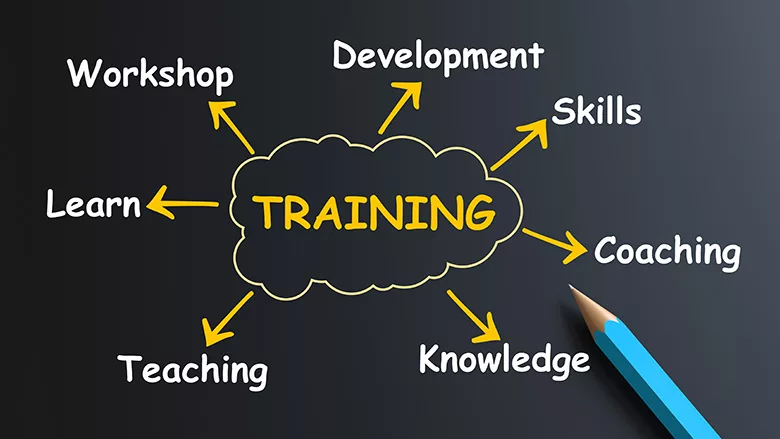
- Paid Trainings: Promoting clear entry paths and skilled educational programs can entice more people to be interested in chemical distribution and paint and coatings. CGK found 70% of respondents would be more likely to apply to a job if they knew the company offered paid or on-the-job training.
- Rebrand the Narrative: Modernizing and elevating the industry’s image is more important than ever. Businesses should consider highlighting the everyday impact of our work and products, the safety and innovation in modern operations, stability, benefits, skill growth and commitment to community.
- Positive Culture Leads to Retention: A fair, inclusive and respectful workplace is one of the most important drivers of increased retention. Additionally, 68% of respondents said they would likely apply for a chemical distribution job if they saw someone their age or background succeeding. “People like me” messaging works, contributing to relatability and credibility.
- Sustainability as a Recruiting Advantage: More than two-thirds (67%) of younger Americans said they would be more likely to consider the industry if it emphasized environmental responsibility. Aligning sustainability initiatives with the work of a business can directly counter negative stereotypes.

Credit: WANAN YOSSINGKUM / iStock via Getty Images Plus
CGK’s valuable insights not only prepare us for recruiting the top talent of tomorrow but retaining the people who drive our industry forward.
Recently, ACD has made a concerted effort to implement some of these key insights into our overall workforce development. In November 2024, ACD elected Megan Gluth, Esq., CEO and Owner of Catalynt Solutions, Inc., as Chair of the Board of Directors – the first woman to hold this role. As a longtime leader in ACD and across the chemical distribution industry, Megan brings a proven record of success, supply chain expertise and leadership development to our organization and our member companies. As Chair, Megan is playing a central role in defining and refining ACD’s values, priorities and vision for the future. Her engagement with our members also provides aspirational pathways for others to be interested in and to pursue senior leadership roles.
Separately, ACD established the Leadership Institute, which brings together members at varying levels of career progression and experience to advance their professional skills and build stronger networks across our membership. As part of the Leadership Institute, ACD built three programs over the last decade along an employee’s career trajectory: Aspiring Leaders, Emerging Leaders and Executive Leaders. Over the course of the program, participants forge strategic partnerships, learn key management and communications skills, strategic decision-making and team leadership to bring success to not only their careers but their companies, too.
Preparing and Investing in Talent for the Workforce of Tomorrow
Another important consideration is that companies across our industry have been around for decades. With this establishment comes seasoned professionals who have not only built lasting relationships with customers but understand the nuances of the supply chain, have a depth of knowledge about your operations, trusted relationships with your suppliers and key regulatory compliance demands. One of the key factors driving companies to revisit their talent pipeline is the increasing loss of critical expertise as more and more employees retire. Senior logistics managers, regulatory specialists, safety experts, and sales professionals understand the distinctions of the industry and have built long-term supply chain relationships. Additionally, today’s industry requires new demands around technology, regulatory and safety requirements and evolving supply chain complexities.
The number of retirements today is a direct reflection of the successful, long-term careers in our industries. However, as more professionals near retirement, businesses must grapple with this high level of expertise leaving with them unless it has been shared with younger employees. A knowledge gap can slow overall decision-making, change dynamics with your customers or suppliers, impact your technical abilities, or disrupt service.
One way to resolve the growing challenge of retirements is to prepare the next generation of the workforce with education and specialized, hands-on experience needed to fill these roles effectively. Finding top talent can be different in specific, niche industries, and there certainly is no shortage of competition from other manufacturing, logistics and technology forward industries. So, how do legacy chemical distribution and manufacturing companies stand out apart from understanding today’s workforce needs? The answer is simple: By investing in and supporting science, technology, engineering and mathematics (STEM) education. It’s also important to connect with local community colleges and technical schools where young professionals are looking for opportunities.
As research and development advance, STEM education and understanding will play an increasingly important role in building a future-ready workforce. It’s not only preferred; it’s essential. That’s one of the reasons why ACD is a proud supporter of the Future of STEM Scholars Initiative (FOSSI), an industry-wide program seeking to increase the number of underrepresented professionals in the STEM workforce. FOSSI provides four-year scholarships to students pursuing STEM-preferred degrees at Historically Black Colleges and Universities. Our industry wants to hire people who understand chemical products and chemistries or who have an analytical background in chemistry, engineering and mathematics, which will become even more necessary as the industry evolves. These skills aren’t just for the operations team, it’s also helpful in accounting, customer service, and logistics.
As we look at the future of the chemical distribution and manufacturing industry and their downstream supply chain partners, support of STEM education will be a critical factor in our success and competitiveness, whether that’s through high school job fairs, community college recruitment events, or support of technical schools and programs. Outreach to these segments of the community will be critical to recruitment.
No matter the industry, talent is the competitive advantage of businesses. The roles and responsibilities of chemical distribution and downstream partners like the paint and coatings industry are very much relationship-based, and it’s the people that drive differentiation in chemical distribution and beyond, not just the products and offerings. By having reliable, savvy and technical experts that are prepared for tomorrow’s challenges — and opportunities — our industries can better compete, serve our customers, and flourish in the years to come.
Looking for a reprint of this article?
From high-res PDFs to custom plaques, order your copy today!