Specialty Chemical Manufacturers Call for Changes to TSCA Reviews
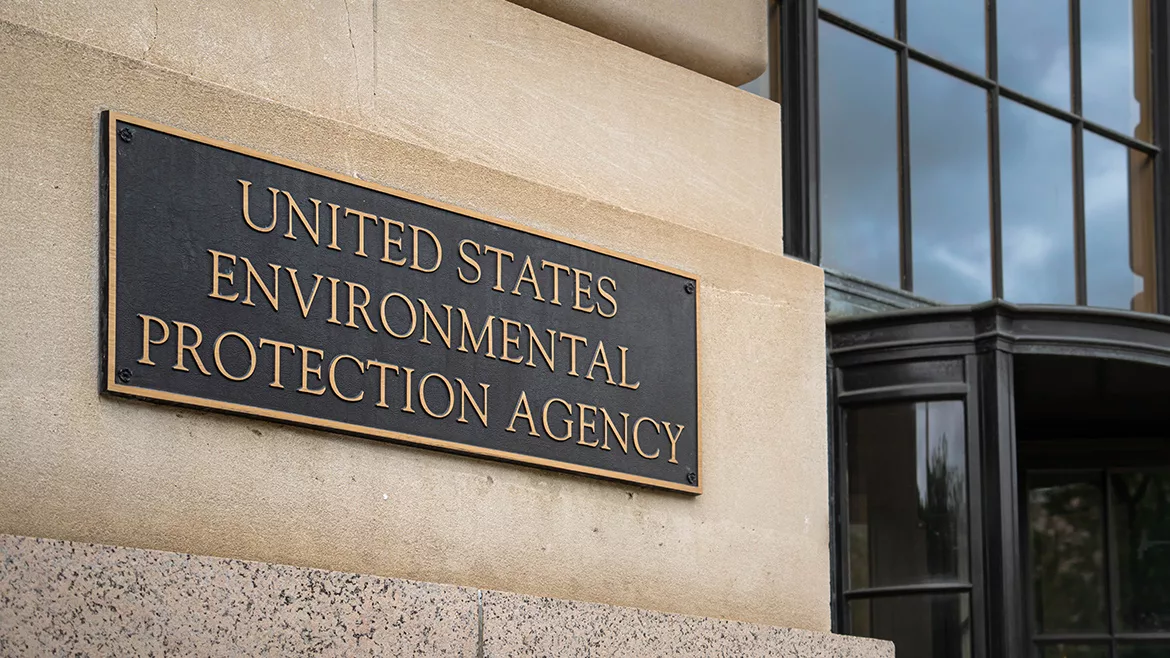
Credit: LD / iStock via Getty Images Plus
Need to Know
- SOCMA is urging changes to EPA's TSCA Section 5 new-chemical review process, citing manufacturer concerns about lengthy and unpredictable reviews.
- More than 60% of SOCMA survey respondents reported reviews exceeding one year, while nearly half said delays are slowing PFAS alternatives and other advanced chemistries.
- The issue could affect commercialization of new coatings raw materials and specialty chemicals, including resins, additives, pigments and alternative chemistries subject to TSCA review.
The Society of Chemical Manufacturers & Affiliates is calling for changes to the U.S. Environmental Protection Agency's process for reviewing new chemicals, citing survey results that the association says show lengthy and unpredictable reviews are affecting manufacturing and commercialization decisions.
In an Aug. 13 announcement, SOCMA said nearly 93% of survey respondents indicated that a more timely and predictable Toxic Substances Control Act Section 5 review process would increase the likelihood of reshoring manufacturing and products to the United States. More than 60% reported review timelines exceeding one year, according to the association.
SOCMA also said nearly half of respondents reported that review delays are slowing development of PFAS alternatives and other advanced chemistries. The association is urging Congress and the administration to pursue changes aimed at improving review times, transparency, regulatory predictability, commercialization of new chemistry and domestic manufacturing.
Section 5 governs federal review of new chemical substances before commercial manufacture or import. According to the EPA's explanation of the program, a company intending to manufacture or import a new chemical substance for a non-exempt commercial purpose generally must submit a premanufacture notice at least 90 days before beginning manufacture. EPA must make an affirmative determination on notices subject to the program.
The program can affect coatings and raw-material suppliers developing new resins, additives, pigments and other chemical technologies when those substances meet TSCA's requirements for new-chemical notification. EPA also collects fees for Section 5 notices and exemption applications.
Source note: The percentages and conclusions about delays, reshoring and PFAS-alternative development are SOCMA survey findings, not findings issued or independently validated by EPA. EPA sources are used here only to explain how the Section 5 new-chemicals program operates.
PCI covers additional developments involving regulations and standards affecting the coatings industry.
Looking for a reprint of this article?
From high-res PDFs to custom plaques, order your copy today!