EPA Draft Finds Worker Risks From trans-1,2-Dichloroethylene
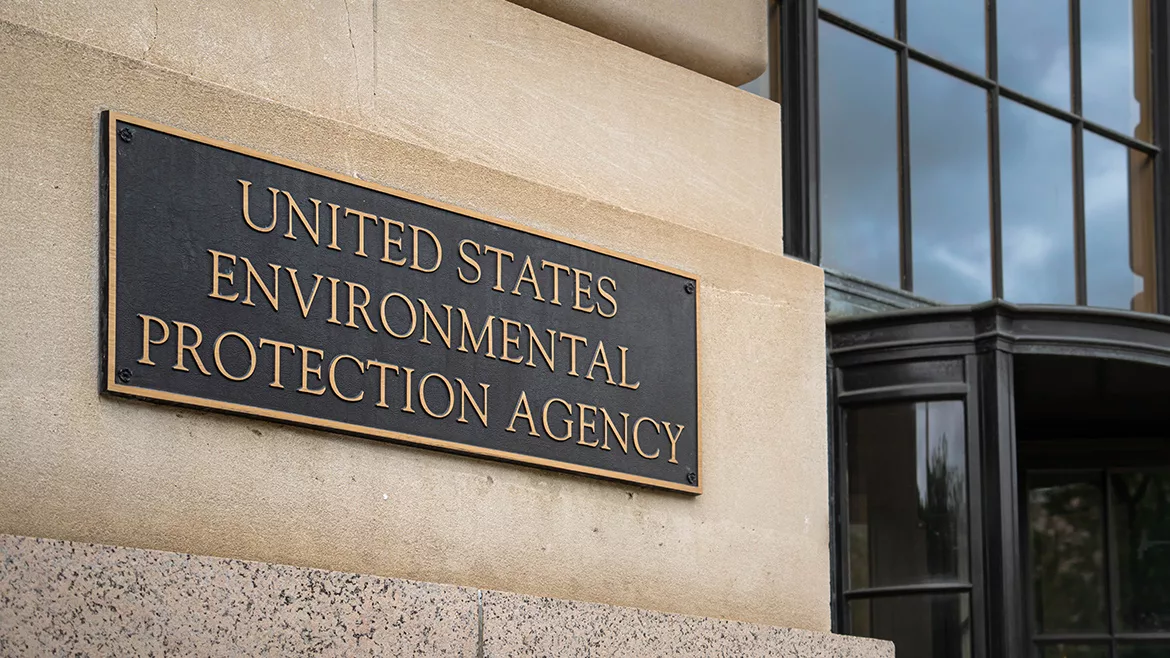
Credit: LD / iStock via Getty Images Plus
Need to Know
- EPA preliminarily found that 20 of 25 assessed conditions of use significantly contribute to unreasonable risk to human health.
- Nineteen conditions contribute to risk for workers, including 13 that also contribute to risk for occupational non-users; one consumer cleaner and degreaser use also contributes to risk.
- Comments are due Oct. 26. The draft changes no current requirements, and any risk-management action would follow a final evaluation.
The U.S. Environmental Protection Agency has released a draft Toxic Substances Control Act risk evaluation for trans-1,2-dichloroethylene, identifying preliminary inhalation risks across most of the chemical’s assessed uses.
Trans-1,2-dichloroethylene is used in industrial and commercial cleaning and degreasing, as a processing aid and in other solvent applications. Consumer uses include cleaners and degreasers and use as a propellant in foam insulation. EPA evaluated potential exposures associated with the chemical’s manufacture, processing, distribution, use and disposal.
The draft preliminarily finds that 20 of 25 assessed conditions of use significantly contribute to unreasonable risk to human health. EPA said the determination is driven primarily by non-cancer inhalation risks.
Nineteen conditions contribute to risk for workers. Thirteen of those also contribute to risk for occupational non-users, meaning employees who may be exposed in a workplace even though they do not directly handle the chemical. One consumer use of trans-1,2-dichloroethylene as a cleaner or degreaser was preliminarily found to contribute to unreasonable risk from acute and intermediate inhalation exposure.
EPA did not preliminarily identify unreasonable risk to the general population, including fenceline communities, or to the environment. The agency also did not identify unreasonable risk from dermal exposure to workers, occupational non-users or consumers.
Five assessed conditions of use did not significantly contribute to the preliminary unreasonable-risk determination. Those conditions include distribution in commerce, disposal, laboratory chemical use, use as a processing aid in semiconductor and photovoltaic manufacturing and consumer use as a polymer-foam propellant.
The findings remain preliminary and do not impose new restrictions or change existing workplace requirements. EPA will consider public comments and external scientific review before issuing a final risk evaluation.
Comments must be submitted by Oct. 26 under docket EPA-HQ-OPPT-2018-0465. If the final evaluation continues to find unreasonable risk, EPA would move into risk management under TSCA Section 6(a). That process could result in workplace controls or other restrictions, although the agency has not identified what measures it might propose.
For coatings and finishing operations, the most direct connection is to products and processes involving industrial solvent cleaning and degreasing rather than to coatings formulations generally.
A final unreasonable-risk determination could lead to workplace controls or other restrictions affecting solvent cleaning and degreasing in coatings and finishing operations. See PCI’s coverage of regulations affecting the coatings industry.
Looking for a reprint of this article?
From high-res PDFs to custom plaques, order your copy today!