EPA Adds Non-Animal Methods to Chemical and Pesticide Reviews
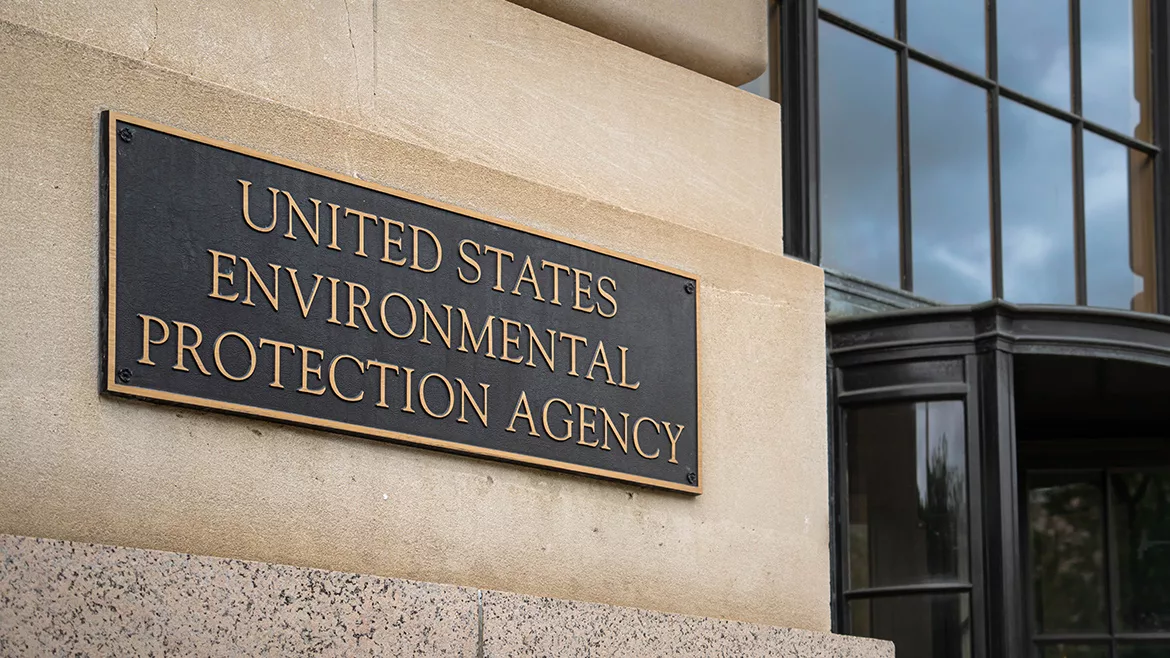
Credit: LD / iStock via Getty Images Plus
Need to Know
- EPA adopted two approaches intended to reduce animal testing in certain chemical and pesticide reviews.
- One method uses three-dimensional human airway tissue and computational models to assess inhalation effects of certain surfactant formulations.
- A separate method uses the Globally Harmonized System mixtures equation to estimate acute oral toxicity for some pesticide formulations.
- The approaches are part of EPA’s broader New Approach Methodologies program.
- The action does not create a new coatings regulation, but the surfactant methodology could be relevant to chemical suppliers developing ingredients used in coatings formulations.
The U.S. Environmental Protection Agency announced Aug. 27 that it is adopting two approaches intended to reduce animal testing while modernizing reviews of certain chemicals and pesticides.
The first change updates EPA's approach to assessing the inhalation effects of certain surfactant formulations. The agency said the framework uses three-dimensional human airway tissue and existing computational models to predict potential lung irritation rather than requiring new animal studies in applicable cases.
The second change applies to some pesticide formulations. EPA will use the Globally Harmonized System mixtures equation to predict acute oral toxicity based on known ingredients. According to the agency, an analysis conducted with the National Institute of Environmental Health Sciences evaluated nearly 700 pesticide formulations and supported use of the calculation for products meeting the applicable criteria.
Both approaches fall under EPA's broader work on New Approach Methodologies, or NAMs, which include computer models, cell-based studies and data-sharing approaches intended to estimate chemical toxicity without using live animals.
The surfactant development has particular relevance to chemical manufacturers. EPA's New Chemicals Program under the Toxic Substances Control Act evaluates new chemical substances before they enter U.S. commerce, and the agency has previously identified integration of NAMs as part of its research program supporting new-chemical assessments.
The 2016 amendments to TSCA require EPA to promote development and incorporation of testing methods that reduce or replace the use of vertebrate animals. EPA has also established a goal of phasing out remaining mammalian testing requests and funding by 2035.
Surfactants also have established roles in coatings formulations, including wetting, surface-tension control and pigment dispersion. PCI's surfactants coverage includes their use in waterborne paints and coatings and in alternatives to fluorinated formulation technologies.
Changes in EPA's chemical-assessment methods can matter to suppliers developing new paint and coatings additives, particularly because surfactants are widely used in coatings formulations. The Aug. 27 action does not establish a new coatings regulation, but it expands the non-animal methods EPA can use in applicable chemical reviews.
Looking for a reprint of this article?
From high-res PDFs to custom plaques, order your copy today!