
BASF Completes Ludwigshafen Intermediates Plant Modernization
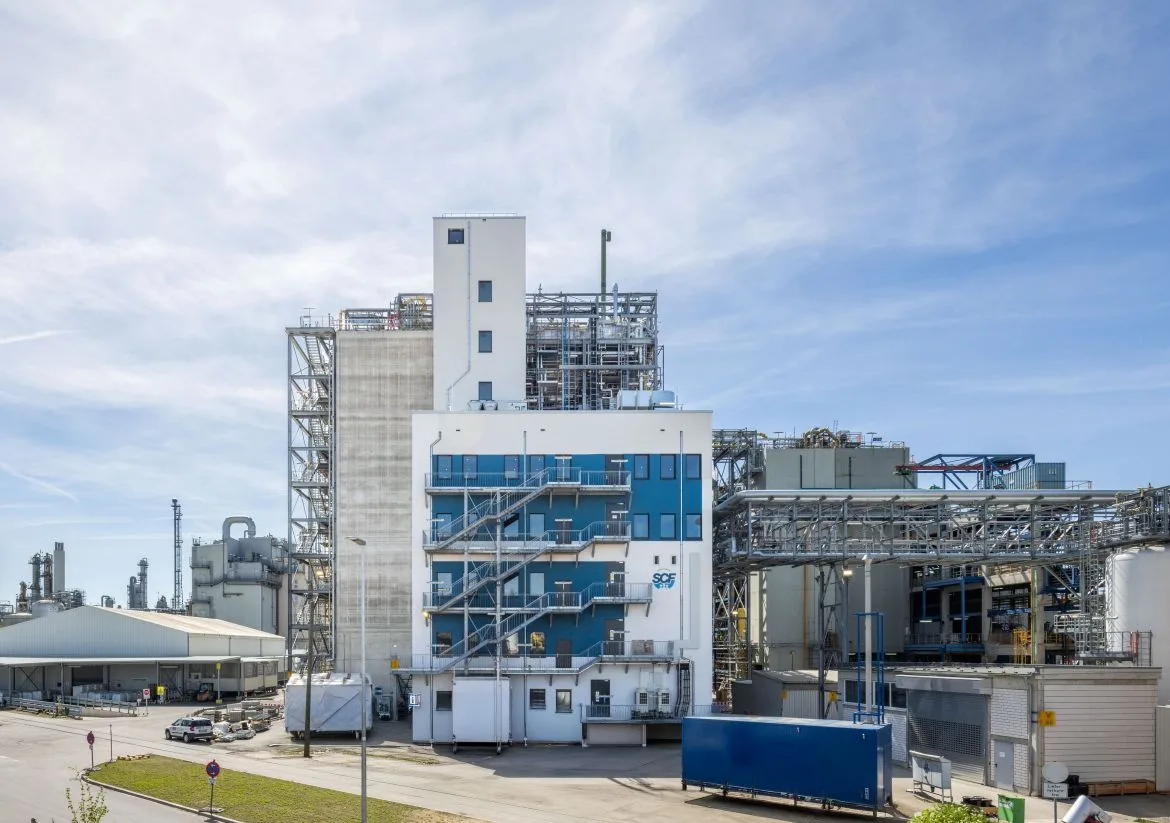
BASF has completed the modernization of its acid chlorides and chloroformates plant at the Ludwigshafen Verbund site in Germany.
The company described the project as an investment in the low hundreds of millions of euros. It included a fundamental renewal of the production infrastructure and increases capacity at the site by approximately 30%.
The Ludwigshafen operation produces a portfolio of approximately 25 acid chlorides and chloroformates. The intermediates are used in pharmaceuticals, crop-protection products, organic peroxides, coatings, plastics and rubber formulations. BASF also produces these materials in Yeosu, South Korea.
BASF said the expanded facility is intended to support long-term supply reliability and growing global demand for the intermediates.
Since 2025, the company has used renewable electricity credits for the Ludwigshafen portfolio and its upstream raw-material processes. BASF calculates that the change has reduced the products’ average carbon footprint by 19% without altering product specifications, certifications or ordering processes.
The carbon-footprint figure includes Scope 1, Scope 2 and Scope 3.1 emissions and is calculated against a scenario without renewable electricity credits. It is a BASF-calculated result based on 2025 production volumes.
The new event is the completion and inauguration of the modernization project. The announcement should not be presented as BASF’s first disclosure of the planned capacity increase.
The project is relevant to coatings manufacturers following paint and coating resins and polymers and the availability of intermediates used across coating and polymer value chains.
Looking for a reprint of this article?
From high-res PDFs to custom plaques, order your copy today!