Inspection Report Finds at Least 85 Reflecting Pool Liner Failure Locations
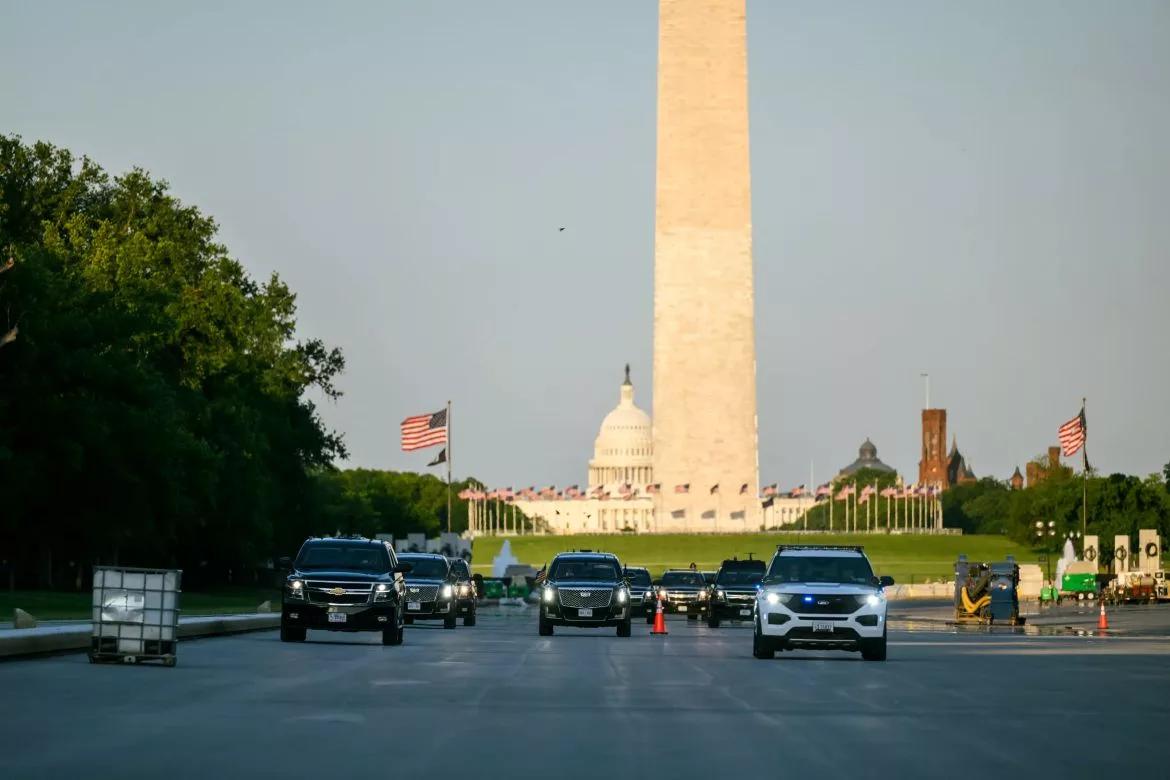
A contractor-commissioned failure analysis identified at least 85 locations where the recently installed liner at the Lincoln Memorial Reflecting Pool failed, according to an Oct. 14 investigation by The Washington Post.
The 75-page report was prepared Aug. 6 by Atlantic Coating Inspection, an unaffiliated inspection firm hired by Atlantic Industrial Coatings, or AIC. The document has not been made public, and PCI has not independently reviewed it. The findings below are attributed to the Post’s examination of the report.
According to the investigation, the report documented buckling along eight of the 10 interior expansion joints dividing the pool’s concrete slabs. It also identified nearly 40 blisters and peeling in almost two dozen locations. The inspection separately recorded 88 areas damaged during strength testing by the Army Corps of Engineers; those locations were not included in the reported count of at least 85 liner failures.
The report said the coating placed over the interior expansion joints was not sufficiently flexible to accommodate joint movement. It said blisters appeared to have resulted from moisture or chemical gases trapped between coating layers. Possible contributors to peeling and splitting included material-mixing problems, spray mist settling onto previously applied coating and insufficient cure time.
The Post also reported that photographs and video showed application work continuing as water entered the pool, although portions of the system required additional cure time. The precise refill timeline remains unclear: the Post’s account places the start of refilling earlier than a July 31 government motion, which said sealant spraying continued through June 6 and water began entering the pool June 7. PCI has not independently resolved that discrepancy.
The Aug. 6 failure analysis, as described by the Post, did not attribute the 85 reported failure locations to vandalism. That does not establish that no separate vandalism occurred elsewhere. AIC previously attributed approximately 175 linear feet of other damage to vandalism, while acknowledging that some areas of the liner had not fully bonded and required warranty repairs. Those were the contractor’s stated positions, and its detailed inspection report was not publicly released with that update.
The new findings are broadly consistent with technical issues described in the July 31 government filing, which cited records involving blister repairs, overspray, delamination, expansion-joint trials and questions about bonding-agent application. That filing described a rushed and flawed installation process but did not represent a court determination assigning responsibility for every affected location.
The Post reported that AIC’s subsequent repair plan called for a different primer in most repaired areas and for the dark-blue topcoat not to be reapplied over the interior expansion joints. A more flexible material was to be used so the repaired system could move with the joints.
AIC did not respond to questions from the Post about the Aug. 6 findings. The company’s website currently states that all warranty repairs were completed Oct. 2.
Source: The Washington Post, prod-i.a.dj.com
The reported failures illustrate how cure windows, material compatibility, application control and substrate movement can affect the field performance of industrial coatings, even when the coating chemistry itself is designed for demanding service.
Looking for a reprint of this article?
From high-res PDFs to custom plaques, order your copy today!