
INEOS Mothballs Europe’s Last World-Scale Acetyls Units
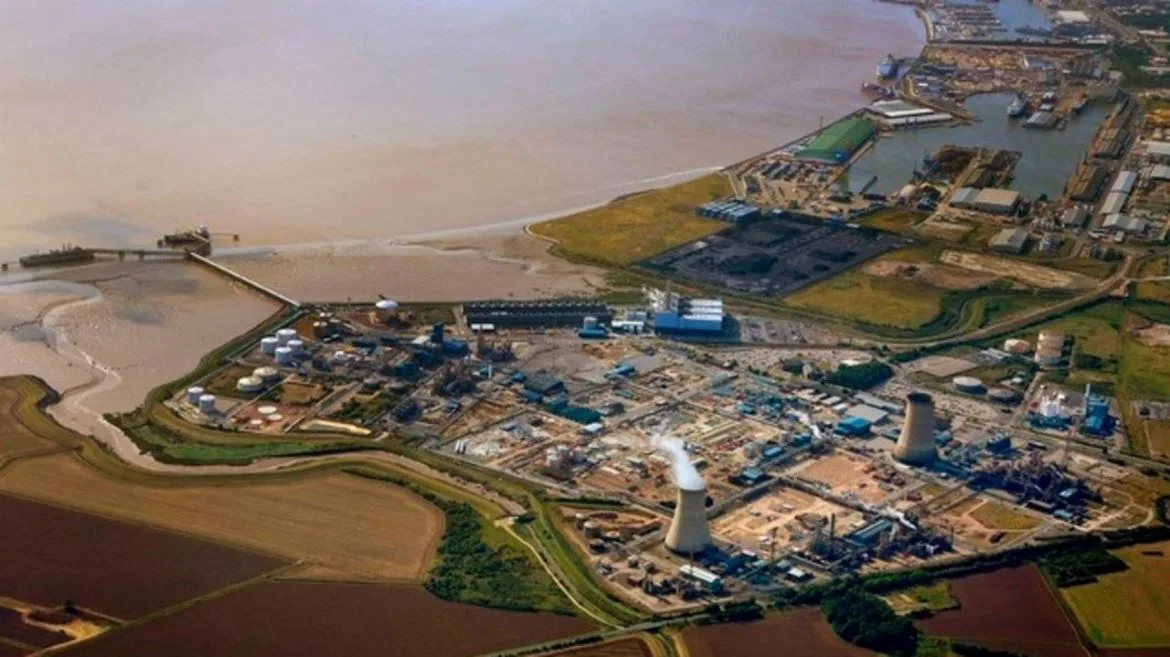
INEOS is mothballing all three acetyls units at its Hull, U.K., complex until further notice, leaving Europe without a remaining world-scale acetyls operation, according to the company.
Two units had already ceased production when INEOS announced the decision Sept. 22, and the third was expected to come off line within days. The plants produce acetic acid, acetic anhydride and ethyl acetate for use across pharmaceuticals, construction materials, detergents and other manufacturing sectors.
For coatings and inks manufacturers, ethyl acetate is used as a fast-evaporating solvent in selected formulations and production processes. Acetic acid and acetic anhydride also serve as upstream chemical building blocks across a range of manufacturing value chains.
INEOS attributed the shutdown to energy and feedstock costs. The company said European gas prices were 12 times U.S. levels and eight times the cost of coal-based energy in China. Those comparisons, along with the company’s related carbon-footprint estimates, represent INEOS’ assessment of the plants’ operating environment.
The company said the three Hull plants support almost 4,000 jobs, including associated employment and apprenticeship programs. That figure should not be interpreted as an announced layoff total. INEOS did not disclose a redundancy plan, a restart timetable or the expected effect on European acetyls supply and pricing.
Commenting, Sir Jim Ratcliffe, Chairman of INEOS said; “I’m sure people will find it hard to believe that we are being forced to mothball some of the most efficient plants in Europe but with gas prices now 12 times the level in the US and 8 times that of China, we just cannot compete. Not only is the ridiculously high gas price destroying our manufacturing base and the jobs of hard working people on Humberside, it is also massively increasing the environmental burden with replacement products supplied from the USA at double the carbon emissions and from China at 8 times the emission level. The European regulators need to wake up to the fact that the combination of high energy costs and the additional burden of unsustainable carbon taxes are destroying our European manufacturing base. Ironically this will result in higher CO2 emissions from less efficient Chinese and US production. The net result of these current policies is to encourage coal based production in China and the wholesale export of jobs to both China and the USA”
The decision follows a series of European chemical-capacity reductions and gives coatings formulators and manufacturers another reason to monitor regional solvent production, import dependence and raw-material availability.
Follow PCI’s raw-material coverage for plant closures, pricing actions and other supply developments affecting coatings production.
Looking for a reprint of this article?
From high-res PDFs to custom plaques, order your copy today!