Syensqo Ends Fluorosurfactant Production, with One Important Exception
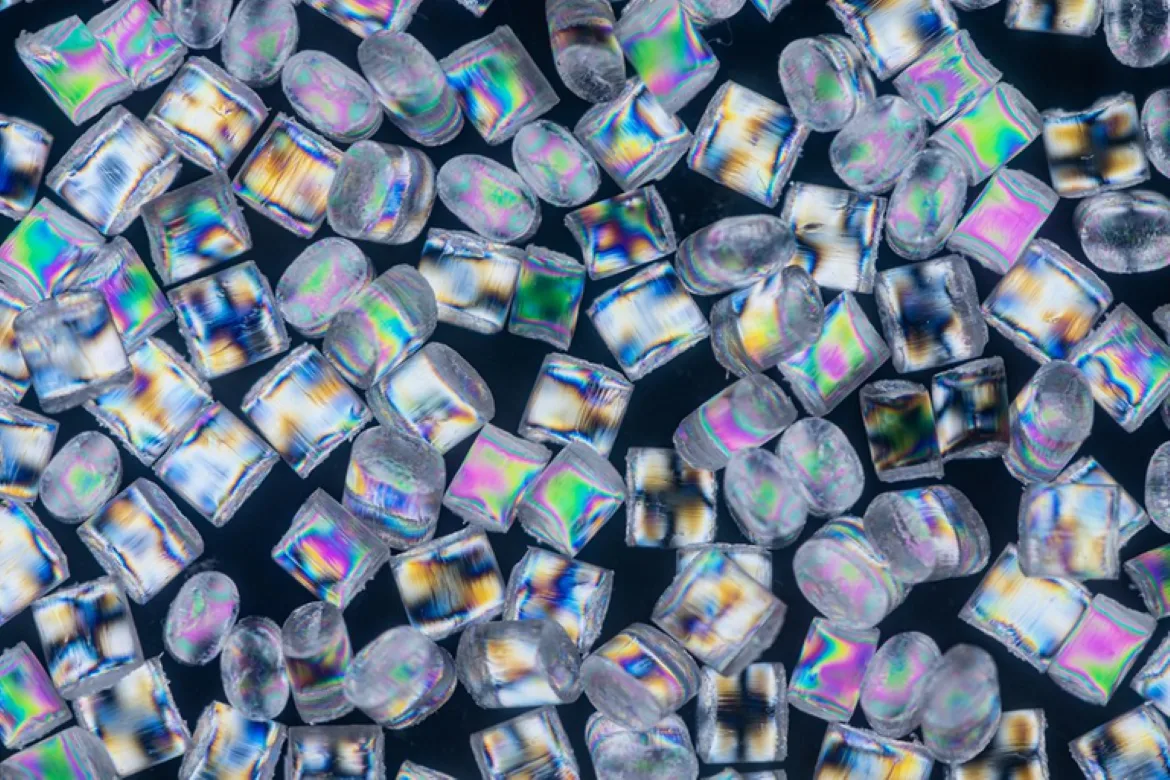
Syensqo has stopped producing C6O4, the final fluorosurfactant manufactured at its Spinetta Marengo facility in Italy, following several years of research into alternative fluoropolymer manufacturing processes.
The company announced the production stop October 28, 2026, completing a commitment made in 2022 to phase out fluorosurfactant production by 2026.
Syensqo said the milestone follows investments in research and innovation that began in 2019 and led to the development of a polymerization process that does not require fluorosurfactants.
The technology allows the company to continue manufacturing fluoropolymers for applications including semiconductors, batteries, hydrogen technologies and other specialized industrial markets.
Manufacturing Fluoropolymers Without Fluorosurfactants
Fluorosurfactants are used as processing aids in the manufacture of certain fluoropolymers.
These substances have attracted regulatory and public attention as part of the broader discussion surrounding per- and polyfluoroalkyl substances, or PFAS.
Syensqo said its research efforts have enabled the development of polymerization technologies that eliminate the need for fluorosurfactants while maintaining the performance and reliability required by customers.
The company has progressively implemented these technologies across its fluoropolymer product lines.
With C6O4 production now stopped at Spinetta Marengo, Syensqo said nearly 100% of its fluoropolymers are manufactured without fluorosurfactant processing aids.
"This milestone reflects years of investment in innovation. We have developed manufacturing technologies that eliminate the need for fluorosurfactants while continuing to provide the high-performance fluoropolymers our customers rely on for critical applications including semiconductors, clean energy and healthcare," said Mike Radossich, CEO of Syensqo. "Fluoropolymers remain essential materials for technologies that support the energy transition, medical innovation, clean water and digital infrastructure."
Limited Production Still Requires Existing Inventories
The transition is not yet complete across every fluoropolymer grade.
Syensqo said approximately 1% of its fluoropolymer production volume at the site involves highly specialized grades that still require additional research and qualification before transitioning to the new manufacturing process.
These materials primarily support hydrogen and semiconductor applications.
The company said it will use existing C6O4 inventories to manufacture those products while applying available technologies for emissions reduction.
That distinction is important: Syensqo has stopped producing C6O4, but the announcement does not mean it has immediately eliminated every use of the substance.
The company also continues to manufacture fluoropolymers. Its announcement concerns the removal of fluorosurfactant processing aids from manufacturing rather than the phaseout of fluoropolymer products themselves.
Regulatory and Manufacturing Implications
Syensqo described the production stop as part of its strategy to reduce manufacturing emissions and develop alternatives to substances facing increasing regulatory scrutiny.
Fluoropolymers remain important in demanding industrial applications because of properties such as chemical resistance, thermal stability and durability.
The distinction between fluoropolymer materials and the processing aids used to manufacture them remains central to discussions about PFAS regulation and industrial substitution.
Syensqo said its new manufacturing technologies allow it to maintain production of specialized high-performance materials while reducing the use of fluorosurfactants in the production process.
The company will continue research and customer qualification efforts for the remaining specialized grades.
Syensqo's manufacturing transition illustrates how suppliers are responding to PFAS-related concerns through process changes while maintaining specialized polymer production. Follow PCI's coverage of coating resins and polymers and sustainable materials.
Looking for a reprint of this article?
From high-res PDFs to custom plaques, order your copy today!