Silicon-Based Technology for the Coatings Industry - An Overview
Dow Corning Corporation is a leader in developing new Silicon-Based Technologies (SBTs) that advance the coatings industry and empower formulators to offer new functionality in various applications. In the past 10 years, the number of new patents related to silicon-based materials for coatings has increased exponentially, specifically related to solving the problems traditionally addressed by SBTs, such as foam control, wetting and adhesion promotion.
Products are available for use in a wide range of coatings applications, including primers, heat-resistant coatings, industrial maintenance coatings, hygienic coatings, marine coatings, biocidal coatings, anti-fouling coatings, abrasion-resistant coatings, automotive clear coats and architectural coatings. Used as the primary component in a formulation or as an additive, these products impart enhanced performance attributes in high-performance applications.
SBTs provide characteristics and performance attributes not found in traditional organic coatings. Formulators use SBTs to differentiate their products and offer functionality for specific market needs. These include the need for low-VOC formulations; greater resistance to water, oil, and stains; enhanced weatherability; increased thermal resistance; and superior texturing. SBTs are also non-toxic and provide utility at very low-use levels. Finally, many silicon materials combine easily with organic monomers and polymers, allowing formulators to develop specialized blends with the functionality of both organic and non-organic materials.

Silanes
Silanes are monomeric materials containing one silicon atom (Figure 1). Often blended with other coatings materials, silanes improve adhesion of the coating, coupling, filler compatibility (including pigments) and bulk properties. In applications such as automotive primer coats, silanes provide controlled hydrophobicity, UV and thermal stability, chemical resistance, and corrosion protection.
Silanes can possess a wide range of substituents, both reactive and non-reactive, organic and inorganic.
 Polydimethylsiloxane (PDMS)
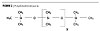
PDMS is a colorless silicon-based organic polymer used across many different industries, primarily for its hydrophobic properties (Figure 2). In coatings, it imparts wetting, leveling, foam control and gloss, as well as mar and slip resistance. It is colorless, non-reactive and may be emulsified. Depending on the degree of polymerization, PDMS can range from a volatile fluid to a gum-like substance.
 Polyorganosiloxane
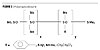
Polyorganosiloxanes are unique polymers that are compatible with organic materials and provide many of the same functions as PDMS, while providing other benefits such as improved organic compatibility, deaeration and solvent resistance – without losing the properties associated with silicones (Figure 3). Polyorganosiloxanes are used in coatings to provide wetting, leveling, gloss, foam control, slip and mar resistance. They are also used as deaerators in microfoams. Polyorganosiloxane also allows for good recoatability.
 Silicone Polyethers
With polyether functionality attached to either end of the silicone backbone or alongside the pendant (Figure 4), silicone polyethers are used in coatings where formulators are looking for many of the benefits associated with silicon-based technology, including mar/slip resistance, wetting, leveling and foam control. The polar functionality of the silicone polyether allows for good incorporation into a coating formulation.
Silicone Antifoams
Effective at low use levels, silicone antifoams are available in several forms for use in coatings formulations, including fluids, antifoam compounds (silica reacted with fluids), and emulsions of antifoam compounds. Variations of silicone antifoams include organic modification of silicone fluid, degree of crosslinking of the silicone fluid and others. By varying the type of silicone used, the degree of crosslinking, the type of silicone, etc., antifoams can be tailored to perform in many different types of coatings.
 Silicone Resins
Silicone resins can be cold-blended or reacted with many organic resins, or even used as the sole binder in a wide range of coatings formulations. They are primarily used to impart UV and thermal resistance in applications such as exhaust stacks, cookware and lighting fixtures. Silicone resins can be developed with a wide range of flexibility, from soft to hard and brittle – and a range of organic compatibility (Figure 5).
New research continues to investigate new resin technologies designed to meet specific needs identified by customers. These include organo-modified resins, which incorporate organic reactivity into the resin matrix. The new material is used as a substitute for a portion of the crosslinker, where, in addition to improved flexibility, good recoatability and pencil hardness are retained.
Another new area is the development of liquid silicone resins, which enable formulators to create low-VOC products with unique functionality, including organic resin compatibility, flexibility and thermal stability.
Silicone Elastomers
Silicone elastomers are rubber-like materials used in elastomeric applications to provide water resistance, mar resistance and a matte finish. Available in aqueous and non-aqueous products, they can also impart texturing properties to countless formulations as well.
 Siliconates
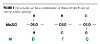
Siliconates are water-based solutions used to form low-VOC, breathable, water-repellent coatings (Figure 6). They are widely used in damp-proof exterior facade applications. Methyl siliconates react with carbon dioxide to form water-insoluble silicone resins. These materials are also used in penetrating, low-VOC, breathable water-repellent applications.
In addition, silicates and siliconates are used to provide surface protection from moisture and water. Pore-blocking sealers form a resin barrier on a concrete surface. While they partially or fully fill surface pores, they do not penetrate the material deeply. On the other hand, hydrophobic sealants do, allowing the concrete to breath, and can be added to the mix pre-cure. Both solutions meet specific market needs and allow formulators more flexibility when deciding upon the right answer to their needs.
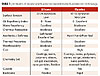
While the fluorine component of fluorosilicones provides excellent thermal and chemical resistance, the silicone component gives the mechanism for improved stain release, UV resistance and hydrophobicity, expanding the range of applications. Table 1 shows a side-by-side comparison of the functional benefits of each material. New products based on this “blended” technology are enabling advances in hydrophilic, anti-staining, low dirt pickup, chemical resistance, ease of cleaning and anti-graffiti properties.
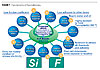 Unlike other fluorine compounds, such as polytetrafluoroethylene (PTFE) and tetrafluoroethylene (TFE), fluorosilicones cure at low temperatures or atmospheric conditions. The coating application can be done in most common work environments – and across multiple substrates, including stone, metals, glass, plastics, leather and paper. Additionally, these materials offer better solubility in organic solvents when compared to materials such as vinylidene fluoride (PVDF) and perfluoroalkyl vinyl ether (PFA). Reactive monomers can also be easily introduced into fluorosilicones during polymerization, allowing greater customization and enhancements to features such as stain repellency and cleanability (Figure 7).
Lower cure temperatures, solubility and greater customization enable coatings formulators to better develop new technology solutions across different industries and provide several options for differentiating products from competitors.
While the traditional attributes provided by silicon-based technology, such as foam control and adhesion, remain critical to many coatings formulations, the industry gains many other benefits from this chemistry. Formulators, leveraging Dow Corning’s technology and customer support, are finding new ways to differentiate their products and enhance product features such as better gloss/matte control, water/oil/stain resistance, slip/mar resistance, texturing, and thermal/weathering resistance.
SBTs offer the best of two worlds, providing many of the performance qualities needed in all coatings applications while enabling new functionality and leveraging new advances in chemistry to advance the industry.
For more information, call 989/496.6000 or visit www.dowcorning.com.
Products are available for use in a wide range of coatings applications, including primers, heat-resistant coatings, industrial maintenance coatings, hygienic coatings, marine coatings, biocidal coatings, anti-fouling coatings, abrasion-resistant coatings, automotive clear coats and architectural coatings. Used as the primary component in a formulation or as an additive, these products impart enhanced performance attributes in high-performance applications.
SBTs provide characteristics and performance attributes not found in traditional organic coatings. Formulators use SBTs to differentiate their products and offer functionality for specific market needs. These include the need for low-VOC formulations; greater resistance to water, oil, and stains; enhanced weatherability; increased thermal resistance; and superior texturing. SBTs are also non-toxic and provide utility at very low-use levels. Finally, many silicon materials combine easily with organic monomers and polymers, allowing formulators to develop specialized blends with the functionality of both organic and non-organic materials.
SBTs Product Chemistries for Coatings Applications
To fully understand the importance of SBTs to the coatings industry, formulators need to know what raw material options are available and the properties they impart in select applications. A wide range of silicon-based chemistries have been used for decades in coatings applications, and are now the cornerstones of new research and product development.Silanes
Silanes are monomeric materials containing one silicon atom (Figure 1). Often blended with other coatings materials, silanes improve adhesion of the coating, coupling, filler compatibility (including pigments) and bulk properties. In applications such as automotive primer coats, silanes provide controlled hydrophobicity, UV and thermal stability, chemical resistance, and corrosion protection.
Silanes can possess a wide range of substituents, both reactive and non-reactive, organic and inorganic.
- Inorganic reactive groups include chlorine, alkoxy, hydroxyl and others. These groups react well and provide good adhesion with inorganic substrates such as glass, metals and minerals.
- Non-reactive groups include alkyl, phenyl and trifluoropropyl, where they provide moisture resistance, organic compatibility and chemical resistance.
- Organic reactive groups include epoxy, methacrylate, amino, vinyl, sulfido and others. These groups offer good compatibility and reactivity with organic resins, thereby serving as coupling agents between organic coatings and inorganic substrates.
PDMS is a colorless silicon-based organic polymer used across many different industries, primarily for its hydrophobic properties (Figure 2). In coatings, it imparts wetting, leveling, foam control and gloss, as well as mar and slip resistance. It is colorless, non-reactive and may be emulsified. Depending on the degree of polymerization, PDMS can range from a volatile fluid to a gum-like substance.
Polyorganosiloxanes are unique polymers that are compatible with organic materials and provide many of the same functions as PDMS, while providing other benefits such as improved organic compatibility, deaeration and solvent resistance – without losing the properties associated with silicones (Figure 3). Polyorganosiloxanes are used in coatings to provide wetting, leveling, gloss, foam control, slip and mar resistance. They are also used as deaerators in microfoams. Polyorganosiloxane also allows for good recoatability.
With polyether functionality attached to either end of the silicone backbone or alongside the pendant (Figure 4), silicone polyethers are used in coatings where formulators are looking for many of the benefits associated with silicon-based technology, including mar/slip resistance, wetting, leveling and foam control. The polar functionality of the silicone polyether allows for good incorporation into a coating formulation.
Silicone Antifoams
Effective at low use levels, silicone antifoams are available in several forms for use in coatings formulations, including fluids, antifoam compounds (silica reacted with fluids), and emulsions of antifoam compounds. Variations of silicone antifoams include organic modification of silicone fluid, degree of crosslinking of the silicone fluid and others. By varying the type of silicone used, the degree of crosslinking, the type of silicone, etc., antifoams can be tailored to perform in many different types of coatings.
Silicone resins can be cold-blended or reacted with many organic resins, or even used as the sole binder in a wide range of coatings formulations. They are primarily used to impart UV and thermal resistance in applications such as exhaust stacks, cookware and lighting fixtures. Silicone resins can be developed with a wide range of flexibility, from soft to hard and brittle – and a range of organic compatibility (Figure 5).
New research continues to investigate new resin technologies designed to meet specific needs identified by customers. These include organo-modified resins, which incorporate organic reactivity into the resin matrix. The new material is used as a substitute for a portion of the crosslinker, where, in addition to improved flexibility, good recoatability and pencil hardness are retained.
Another new area is the development of liquid silicone resins, which enable formulators to create low-VOC products with unique functionality, including organic resin compatibility, flexibility and thermal stability.
Silicone Elastomers
Silicone elastomers are rubber-like materials used in elastomeric applications to provide water resistance, mar resistance and a matte finish. Available in aqueous and non-aqueous products, they can also impart texturing properties to countless formulations as well.
Siliconates are water-based solutions used to form low-VOC, breathable, water-repellent coatings (Figure 6). They are widely used in damp-proof exterior facade applications. Methyl siliconates react with carbon dioxide to form water-insoluble silicone resins. These materials are also used in penetrating, low-VOC, breathable water-repellent applications.
In addition, silicates and siliconates are used to provide surface protection from moisture and water. Pore-blocking sealers form a resin barrier on a concrete surface. While they partially or fully fill surface pores, they do not penetrate the material deeply. On the other hand, hydrophobic sealants do, allowing the concrete to breath, and can be added to the mix pre-cure. Both solutions meet specific market needs and allow formulators more flexibility when deciding upon the right answer to their needs.
Fluorine Technology
Fluorine-based polymers have been used as functional ingredients in protective coatings for many years because of their unique attributes including weatherability, insulating properties and chemical resistance. Advances in new hybrid fluorosilicone chemistry are enabling new properties that impart novel functionality and surface performance features that many in the industry will find valuable. In addition, changes in the regulatory environment and the coatings marketplace are driving the need for new fluorosilicone coatings and additives.While the fluorine component of fluorosilicones provides excellent thermal and chemical resistance, the silicone component gives the mechanism for improved stain release, UV resistance and hydrophobicity, expanding the range of applications. Table 1 shows a side-by-side comparison of the functional benefits of each material. New products based on this “blended” technology are enabling advances in hydrophilic, anti-staining, low dirt pickup, chemical resistance, ease of cleaning and anti-graffiti properties.
Lower cure temperatures, solubility and greater customization enable coatings formulators to better develop new technology solutions across different industries and provide several options for differentiating products from competitors.
Conclusion
SBTs have advanced coatings innovation in differentiated, customer-focused applications. Dow Corning is leading these efforts through both existing solutions and new research efforts, such as those in fluorosilicones. Leveraging six decades of SBTs experience, Dow Corning has worked with the industry to identify select needs and applications where the company’s expertise and products can make a difference.While the traditional attributes provided by silicon-based technology, such as foam control and adhesion, remain critical to many coatings formulations, the industry gains many other benefits from this chemistry. Formulators, leveraging Dow Corning’s technology and customer support, are finding new ways to differentiate their products and enhance product features such as better gloss/matte control, water/oil/stain resistance, slip/mar resistance, texturing, and thermal/weathering resistance.
SBTs offer the best of two worlds, providing many of the performance qualities needed in all coatings applications while enabling new functionality and leveraging new advances in chemistry to advance the industry.
For more information, call 989/496.6000 or visit www.dowcorning.com.
Looking for a reprint of this article?
From high-res PDFs to custom plaques, order your copy today!