A new patent aims to reduce paint spills with an ergonomic grip for can handles, addressing loss prevention, safety risks and operational inefficiencies in retail.
Field testing confirms that broad-spectrum, encapsulated dry-film preservatives provide long-term protection against fungal and algal growth, outperforming competitor formulations in diverse environmental conditions.
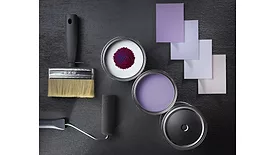
A new, volumetric, solid tinting system offers a sustainable, efficient alternative for tinting architectural and industrial coatings with improved performance.
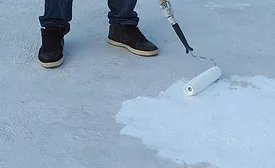
The University of South Florida reduced cooling costs and improved energy efficiency by applying a heat-reflective exterior coating that lowers building surface temperatures by up to 40 °F.
A new thermal additive enhances energy efficiency and fire resistance, reducing heat absorption, improving emissivity, and meeting stringent environmental and building performance standards.
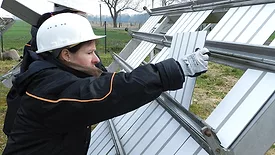
Flat roofs face aging and weathering challenges from solar radiation, moisture and pollutants. This study explores polymer dispersions' impact on elastomeric roof coatings' durability, flexibility and chalking resistance.
Custom test methods, tailored to field conditions, address limitations of standardized tests, improving coating performance with practical solutions for real-world applications.

 RSS
RSS