
 RSS
RSS
Industrial Coatings



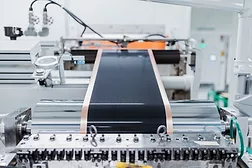
Surface Preparation Showdown: Dunk It, Sand It, Spray It or Blast It?
Why Each Segment Has Its Champion
Read More
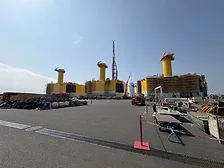
Coating Systems for France’s EOLMED Floating Offshore Wind Project
The 30 MW offshore wind pilot project required coatings for exterior steel, splash-zone exposure, interior ballast-tank-like areas and transition pieces.
Read More



AI as a Growth Catalyst in Coatings, Revisited
Artificial intelligence can help coatings teams narrow formulation options, predict performance and monitor processes in real time. Reliable gains, however, depend on data quality, governance and human oversight.
Read More


Bangladesh’s Paint Industry Sees Rise of Female Painters
Workforce Development and Market Growth in Bangladesh Paint Applications
Read More