
Gras Expectations: A Week Inside Waterborne 2026
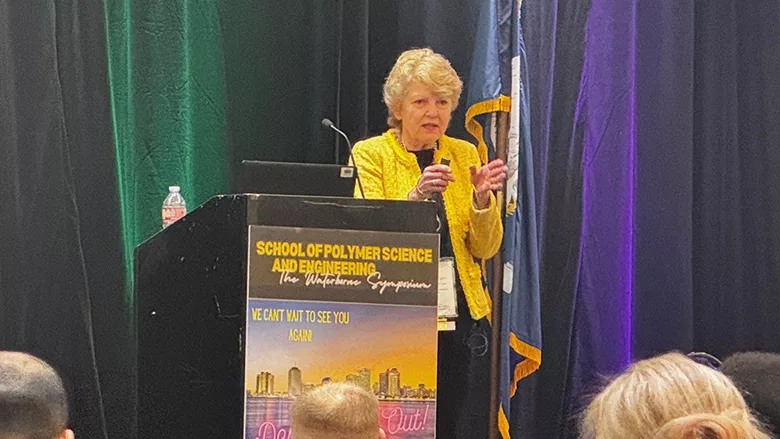
Dr. Sarah Morgan, Bennett Distinguished Professor and Associate Director of the School of Polymer Science and Engineering, The University of Southern Mississippi
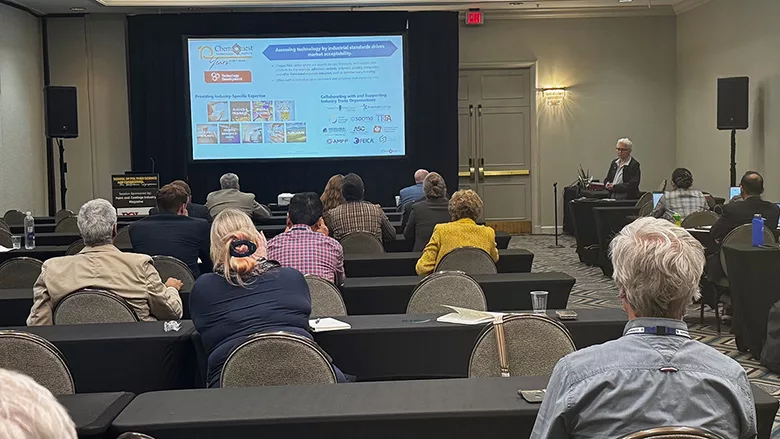
Dr. Victoria Scarborough, Vice President Collaborative Innovation, Chemquest
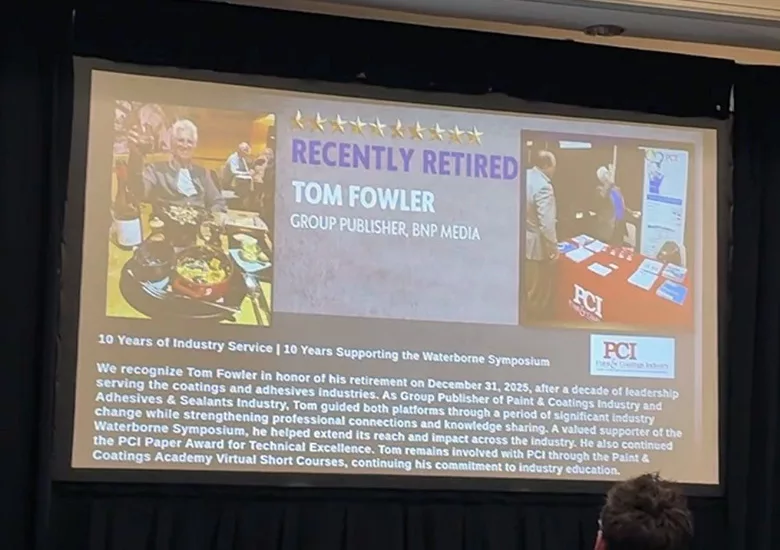
Tom Fowler Waterborne Symposium Recognition
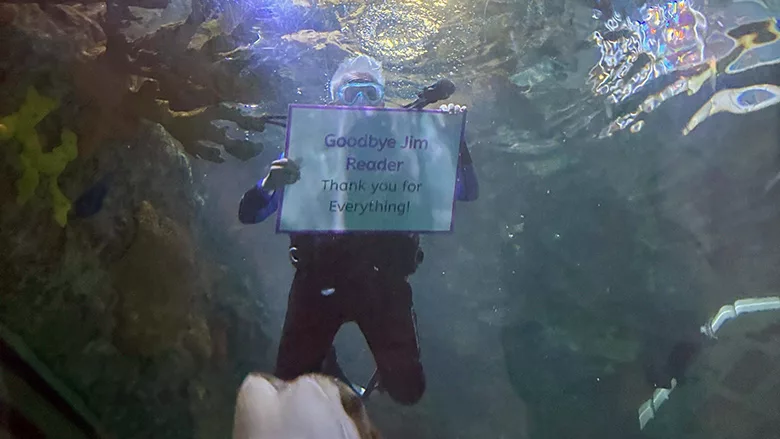
SCUBA Diver celebrating Jim Reader
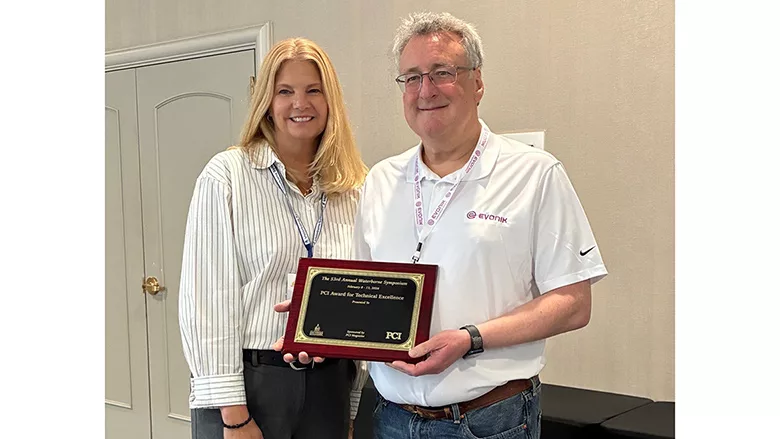
Kristin Johansson, PCI and Jim Reader, Evonik.
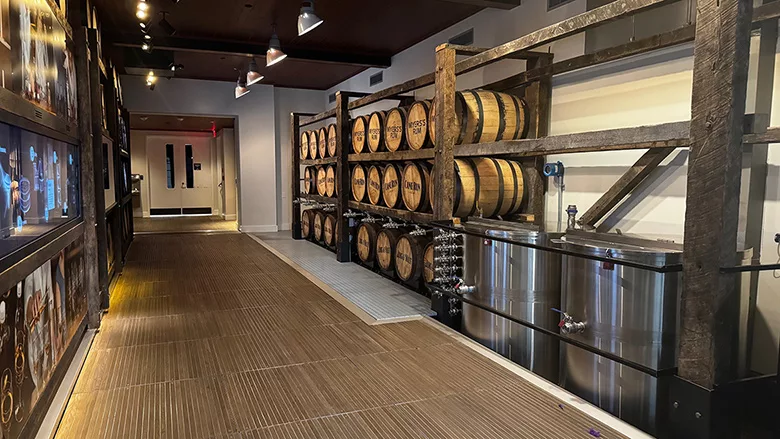
Sazerac House, New Orleans
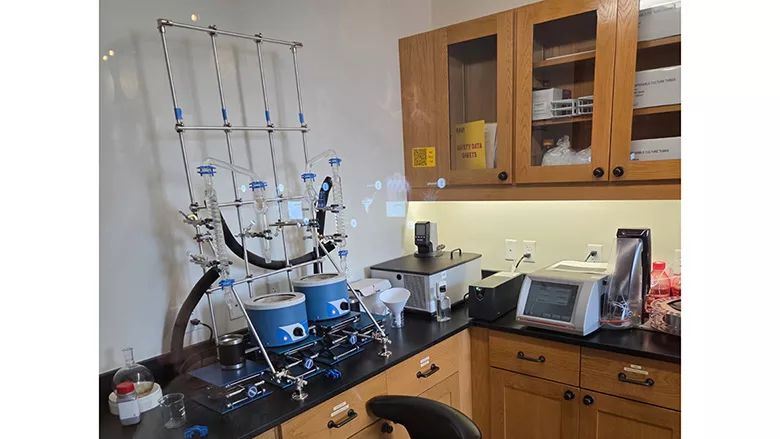
Sazerac House, New Orleans
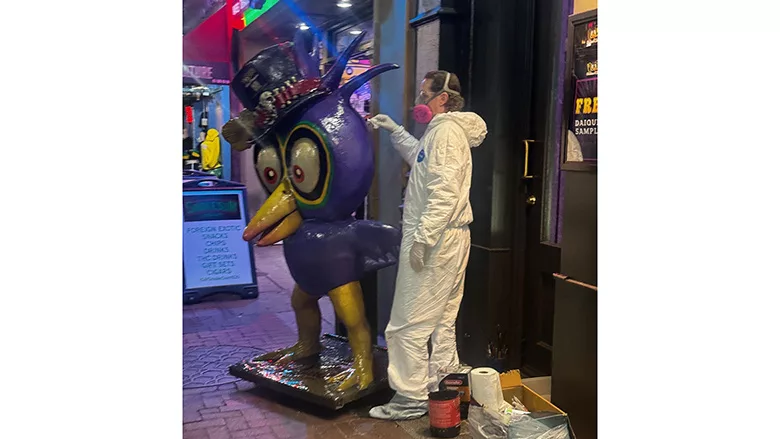
Voodoo Chicken
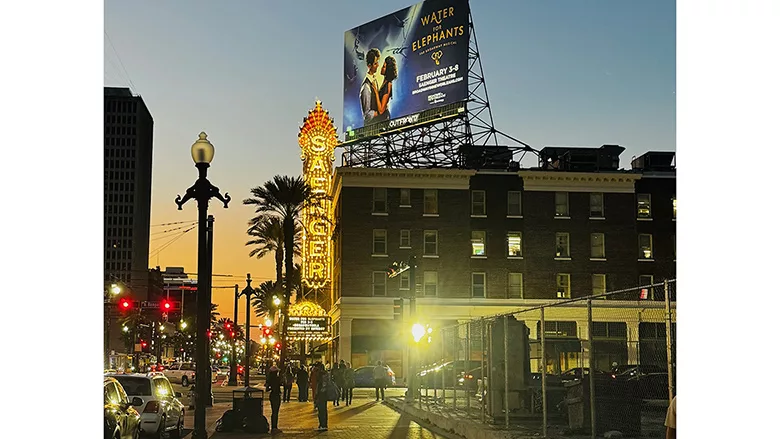
Saenger Theatre
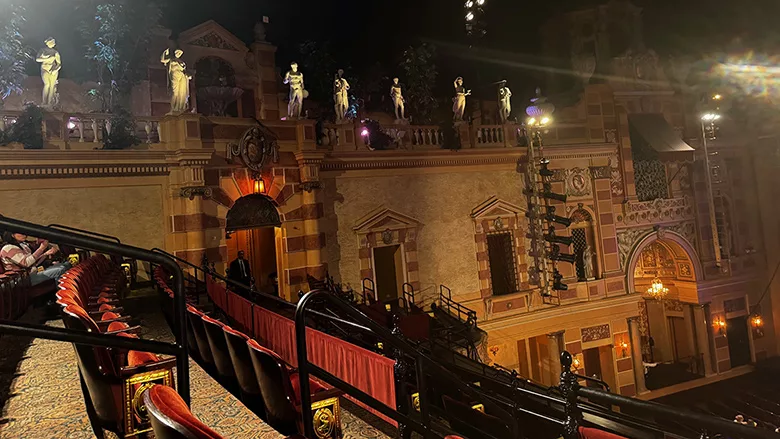
Saenger Theatre
The Waterborne Symposium, hosted by the University of Southern Mississippi’s School of Polymer Science and Engineering, is a long-running technical meeting focused on advancing coatings science with an emphasis on environmentally driven technologies. This year’s event was held February 8–13 in New Orleans, bringing together formulators, suppliers, academic researchers and students for a full week of short courses, plenary and keynote lectures, technical sessions, poster presentations and networking centered on waterborne, high-solids and powder coating technologies.
It is also reliably scheduled during Mardi Gras season, which adds its own rhythm to the week: king cake on the exhibit hall tables, parades just outside the meeting rooms and, for me, an early-morning stop for beignets whenever possible.
Roux the Program
Sustainability was present throughout the technical sessions, but not just as a headline. Instead, it surfaced through practical discussions around material selection, performance balance and how changes are being validated in the lab.
Leading the Krewe
The plenary lecture from Jaime Grunlan of Texas A&M University explored aqueous coating systems designed to deliver barrier performance and flame resistance with minimal added weight, highlighting how water-based approaches can achieve properties often associated with more traditional materials while remaining compatible with established processing methods.
That was followed by the Sidney Lauren Memorial Lecture from Sarah Morgan of the University of Southern Mississippi, who examined high strain-rate mechanical behavior in phase-separated block copolymers. Her talk reinforced how coatings performance is often defined under extreme conditions, where failure mechanisms and morphology become clearer.
Second Line Science
PCI sponsored and moderated a full technical track on Wednesday afternoon, which included six talks that moved through sustainable binders, additives, pigments and topcoat performance.
The session opened with Kerry O’Donnell of Avery Dennison, who discussed biobased alternatives to traditional petrochemical systems and compared their performance directly against incumbent materials. Bailey McLean of Integrity BioChem followed with work on functionalized polysaccharides as bio-based dispersants, addressing pigment stability without compromising formulation performance. James Rawlins of the University of Southern Mississippi presented advances in biomodified cellulose coatings, highlighting how tighter control over molecular structure can expand formulation latitude while remaining fully biobased.
Romesh Kumar of Sudarshan Chemical Industries then shifted the conversation to pigment strategy, showing how combinations of organic and inorganic colorants can reduce carbon footprint while maintaining durability and cost efficiency. Victoria Scarborough of ChemQuest explored chitosan as a multifunctional, renewable material platform for coatings and packaging, outlining both its performance potential and the challenges associated with scale-up and moisture sensitivity (a talk complete with many well-placed shellfish puns!). The track concluded with Donald Lawson III of AGC Chemicals Americas, who shared data on how resin blending influences gloss retention and corrosion resistance in FEVE topcoat systems under accelerated testing.
PCI always appreciates the opportunity to moderate sessions like this because it provides a close-up view of how technical priorities are evolving across the industry and moderating the Q&A helps us understand what our readers are interested in.
Lagniappe Conversations
The exhibit hall offered a different but equally valuable layer to the week. It was a chance to reconnect with familiar faces, meet new attendees and have conversations that extended well beyond any single presentation. Much of that time was spent talking about what people are working on, what questions they are navigating and how they stay informed in a rapidly evolving industry. It also opened the door to conversations about PCI’s coverage and future editorial collaboration.
Better with Beads
Waterborne’s Student Poster Session is a staple, giving students the opportunity to share emerging research while engaging directly with industry professionals. This event is known for supporting early-career scientists and encouraging dialogue between academic research and real-world application.
The program also recognized long-standing industry contributions. Our own Tom Fowler was honored for his years as publisher at Paint & Coatings Industry Magazine. Jim Reader of Evonik, retiring this spring, was also recognized for his contributions. As a surprise to all, that recognition carried into the aquarium reception, where Evonik sponsored a memorable surprise: a scuba diver swimming through the tank holding a “Thank you Jim” sign.
The Women in Science Networking Event, sponsored by ChemQuest, featured Sarah Morgan as the keynote speaker, the session fostered candid discussion around career paths, transitions between academia and industry and the skills that matter over time.
The week always concludes with the Best Paper Awards. The PCI Award for Technical Excellence was presented to Jim Reader of Evonik for “The Use of Superspreading Surfactants in Waterborne Coatings,” while the Siltech Best Paper Award for Innovation was awarded to Dan Mania of Wacker Chemical Corporation for “Silane-Modified Polymers for Roof Coatings.”
Beads were a constant throughout the week, a small detail that somehow made every one of these moments better.
Beignet There, Done That
Whenever I travel for work, I try to carve out time to experience the place itself. Early on, when I first joined PCI, my colleague and then editor Kristin Johansson reminded me that once you work in the coatings industry, you start noticing connections everywhere.
A stop at the Sazerac House offered one of those moments. Located at the corner of Canal and Magazine streets, the Sazerac House is a free, interactive museum and working micro-distillery dedicated to New Orleans’ cocktail culture and the history of the Sazerac, the city’s official cocktail. What stood out to me was the lab space, where familiar equipment — glass distillation columns, benchtop pH meters and spectrometers used for quality control — felt immediately recognizable through a coatings lens.
Voodoo Chicken & Daiquiris is a popular New Orleans chain known for fried chicken and daiquiris. Outside one location, I spotted their iconic voodoo chicken statue being actively recoated with a clear finish, complete with PPE and careful application.
I’m also a theater buff at heart, so I couldn’t pass up the opportunity to visit the Saenger Theatre and see the touring production of Water for Elephants. The historic venue, which opened in 1927 and underwent extensive post-Katrina restoration, is a reminder of how surface preparation, finishes and long-term protection play a role in preservation well beyond the lab.
Coatings may not always be visible when they’re doing their job well, but they are everywhere.