New research into zinc-rich primers shows how lower-zinc formulations can meet performance standards while addressing sustainability and application challenges.
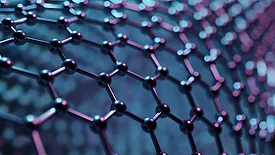
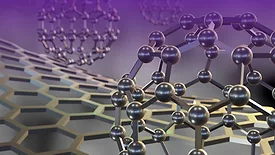
Over two decades, graphene has revolutionized coatings by enhancing corrosion resistance, durability, conductivity and sustainability, paving the way for next-generation formulations.
ATO-based antistatic coatings outperform PEDOT and fluorinated additives, offering PFAS-free protection and superior stability, especially in PSAs for LCD polarizers to prevent static discharge.
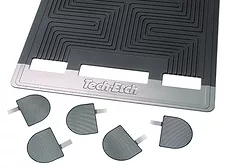
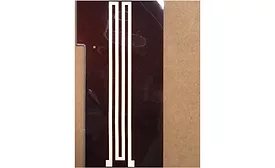
Tech Etch has designed and developed a robotic spray-coating process used to apply conductive carbon and graphite coatings to battery current collectors, fuel cells, thin-metal cathode grids used in implantable pacemaker batteries, and other energy storage devices that require low-resistance coatings.
In order to slow down the erosion of the base metal and help to extend battery life, one company has designed and developed a robotic spray coating process used to apply conductive carbon and graphite coatings to battery current collectors, fuel cells, thin-metal cathode grids used in implantable pacemaker batteries, and other energy storage devices that require low-resistance coatings.
As the aerospace (AS) industry pushes for next-generation surface coating technologies to protect materials exposed to harsh air and space environments, coatings manufacturers dive deep to provide higher-performing coatings. The addition of additives to both existing and emerging technologies provides coating manufacturers with a path to innovate for these modern and changing times.