Painting & Coating Industry (PCI) logo Powder coating summit logo
search
cart
facebook twitter linkedin youtube
  • Sign In
  • Create Account
  • Sign Out
  • My Account
Painting & Coating Industry (PCI) logo Powder coating summit logo
  • NEWS
    • Latest News
    • Market Trends & Reports
    • Finishing News
    • Price Alerts
    • Subscribe to Newsletters
    • Global Top 10/ PCI 25
    • Weekly Featured Article
    • COATLE Word Game
  • PRODUCTS
    • Product News
    • Must See Products and Services
  • MATERIALS
    • Additives
    • Resins/Polymers
    • Pigments
    • Equipment
    • Distributors
  • TECHNOLOGIES
    • Adhesives
    • Architectural Coatings
    • Finishing Articles
    • Finishing Technologies
    • Finishing Equipment
    • Industrial Coatings
    • Nanotechnology
    • Powder Coatings
    • Solventborne
    • Special Purpose Coatings
    • Sustainability
    • UV Coatings
    • Waterborne
  • RESOURCES
    • Columns
      • Did you know?
      • Distribution Dive
      • Formulating With Mike
      • Innovation Insights
      • Powder Coating Perspectives
      • TiO2 Insider
    • Blogs
      • Editor's Viewpoint
      • Industry Insights
    • Coatings Supplier Handbook
    • Podcasts and Videos
      • COAT-IT! Podcast
      • Videos/PCI TV
    • PCI Store
    • Classifieds
    • eBooks
    • Sponsor Insights
    • White Papers
    • COATLE Word Game
  • EVENTS
    • Coatings Trends & Technologies Summit
    • Paint and Coatings Academy
    • Webinars
    • Calendar of Events
    • Lifetime Achievement Award
  • DIRECTORIES
    • Buyer's Guide
    • Equipment Directory
    • Materials Directory
  • EMAGAZINE
    • Current Issue
    • eMagazine Archive
    • China Issue Archive
    • Editorial Advisory Board
  • CONTACT
    • Contact Us
    • Advertise
    • Subscribe to eMagazine
    • Subscribe to Newsletters
  • SIGN UP!
Paint and Coating Equipment

New X-Ray Diffraction Technology to Study Thin Polycrystalline Coatings
By Malvern Panalytical
pci1122-Malvern-Lead-1170.jpg
November 18, 2022

Thin films as polycrystalline coatings are used in many different application areas ranging from biomedical coatings on medical implants to spray-coated paints on automotive steels, deposited films on electrodes in batteries or metallic contacts in semiconductors, and optical coatings on displays, to name a few.

As new applications for thin films emerge and existing applications become mainstream, the technology of deposition is always advancing, and the materials deposited are always being improved.

The crystalline phases deposited and the residual stresses in deposited films are key parameters for assessing the efficacy of a deposition method or a processing step. Monitoring the integrity of a film during the use is also vital to ensuring the long-term success of a product. With grazing incidence X-ray diffraction (GIXRD) you can target your configuration to maximize the signal from your coating. This gives you the best possible data from which to obtain the results you need, whether you need detailed studies of crystalline phases or rapid high-throughput quality control.

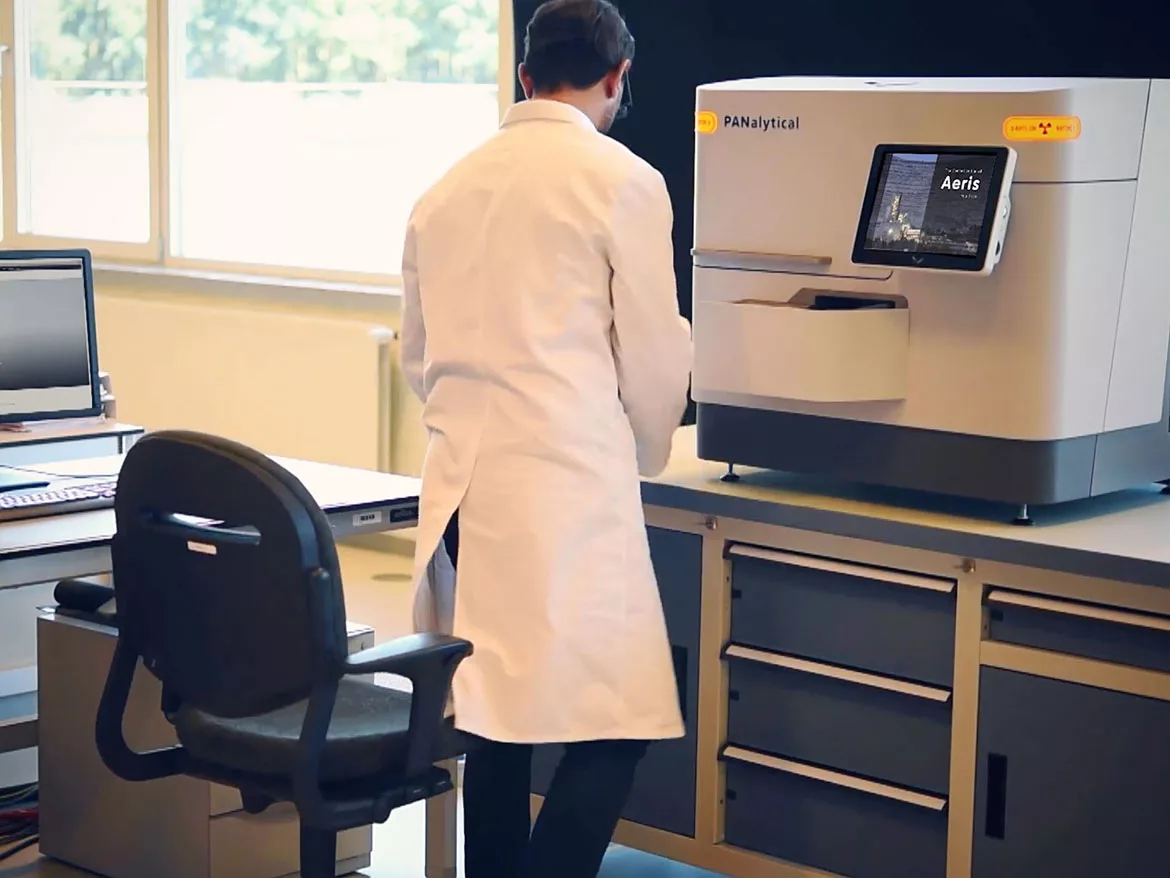
This article provides some example data and analysis showing the performance of Aeris for studying polycrystalline coatings.


Aeris Configured for Grazing Incidence X-Ray Diffraction

With grazing incidence X-ray diffraction, you achieve a much-improved peak signal from thin films, where regular symmetric (Bragg-Brentano) powder scans may not yield sufficient peak intensity or give too much interference from the substrate.

Aeris can be a dedicated thin film diffractometer for routine measurements or alternatively a versatile powder diffractometer enabling occasional thin film measurements. The high-performance de-coupled goniometer scanning technology provides highly reproducible 2θ scans at a range of precise incident beam (ω) angles suitable for GIXRD and residual stress measurements. The parallel plate collimator on the diffracted beam side converts Aeris into the parallel beam measurement mode, providing accurate peak positions and resolving defocusing effects, to bring you high-quality data. A range of robust sample holders provides a variety of sample mounting options to suit your requirements (Figure 1).
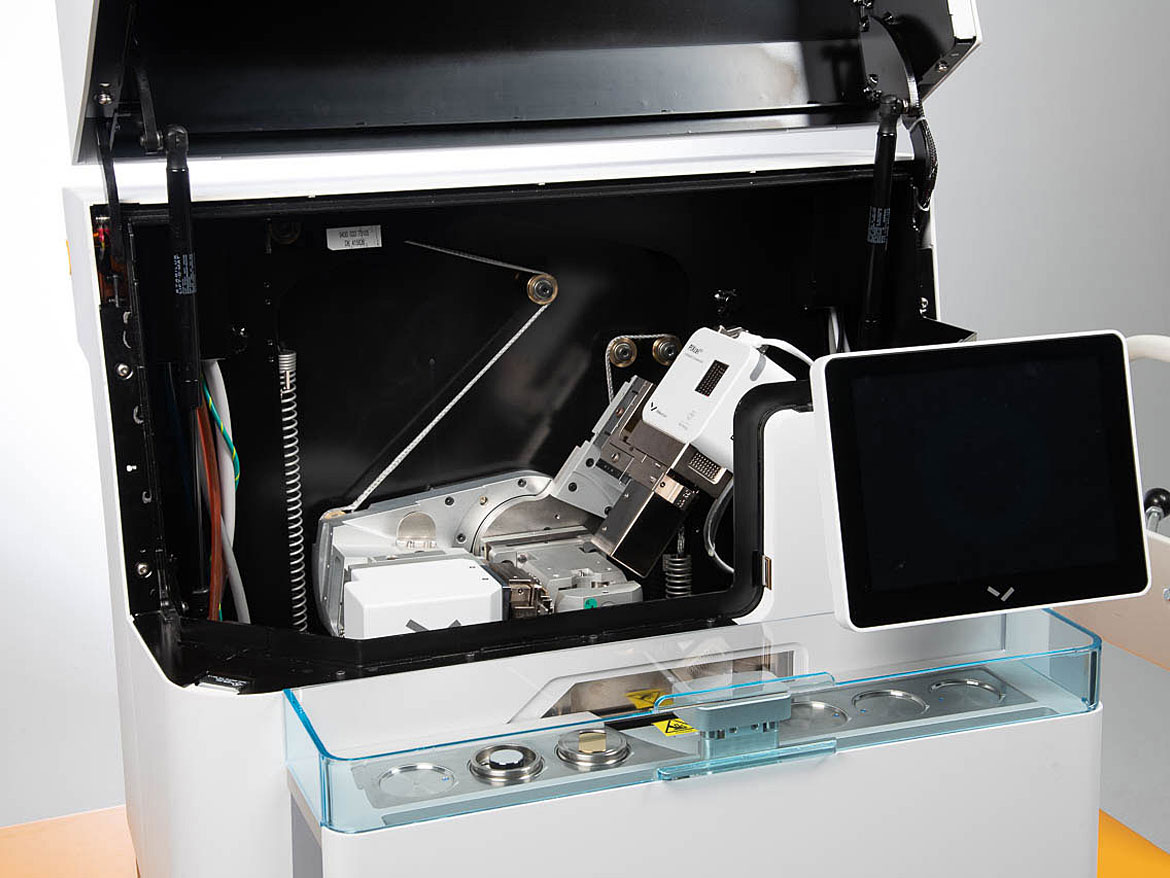
Samples waiting in the Aeris loading area and an internal view of the Aeris in grazing incidence configuration. Solid sample holder on the left. Film holder on the right.
FIGURE 1 » Samples waiting in the Aeris loading area and an internal view of the Aeris in grazing incidence configuration. Solid sample holder on the left. Film holder on the right.


50-nm Thin Film of Polycrystalline Iridium on Silicon Substrate

The refractory metal iridium has many applications in high-performance optical devices due to its high reflectivity of X-rays, low-oxidation rate, and high melting point. For example, iridium is researched as an alternative to gold and silver as an optical coating in high-performance telescopes.

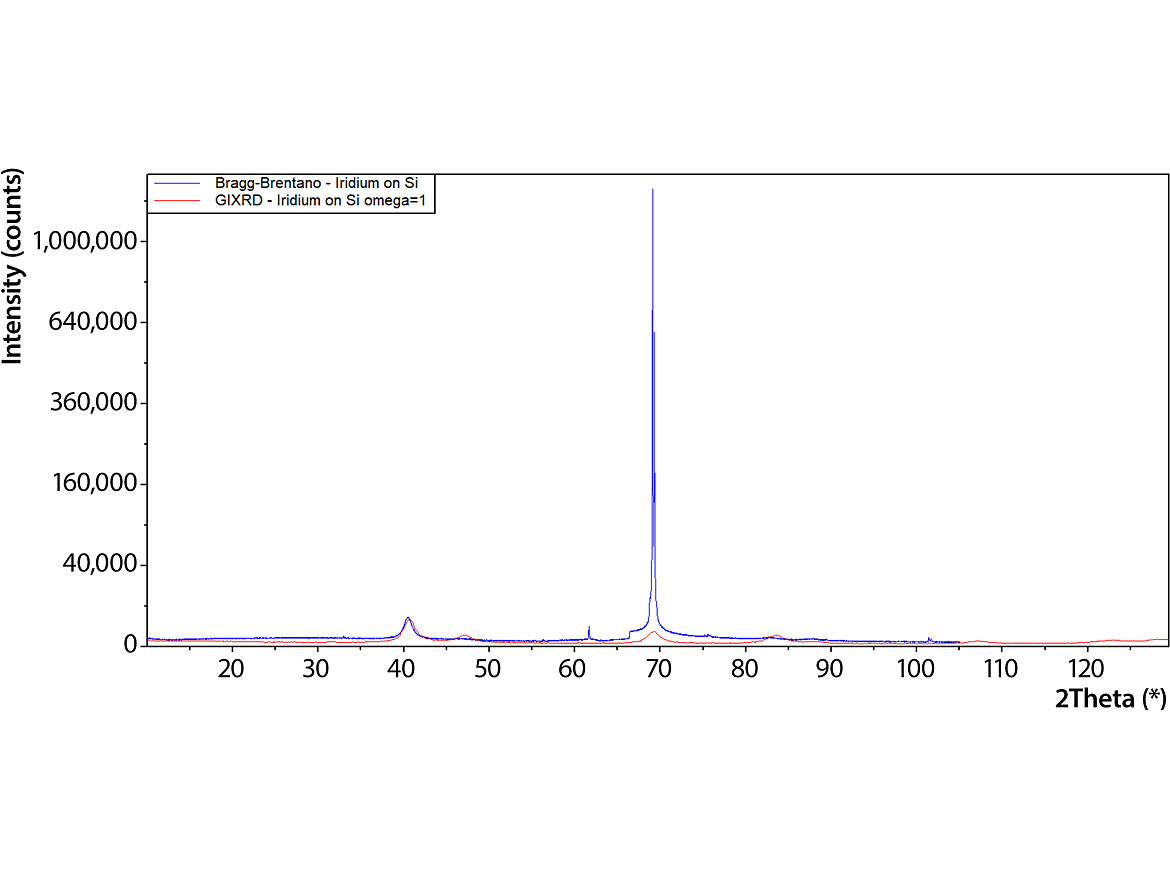
The crystallite size and micro-strain are good indicators of the film microstructure and overall quality of the film and can be quickly and non-destructively monitored by looking for changes in the diffraction peaks. For such a thin film, the iridium diffraction peaks could easily be lost in the signal from the substrate peak. By using the grazing incidence diffraction geometry, it is possible to get clear and useful data quickly (Figure 2.1). The high-angle peaks from the layer, such as the 85° peak, are only visible in the GIXRD scans as they are too weak to be seen in the reflection configuration.

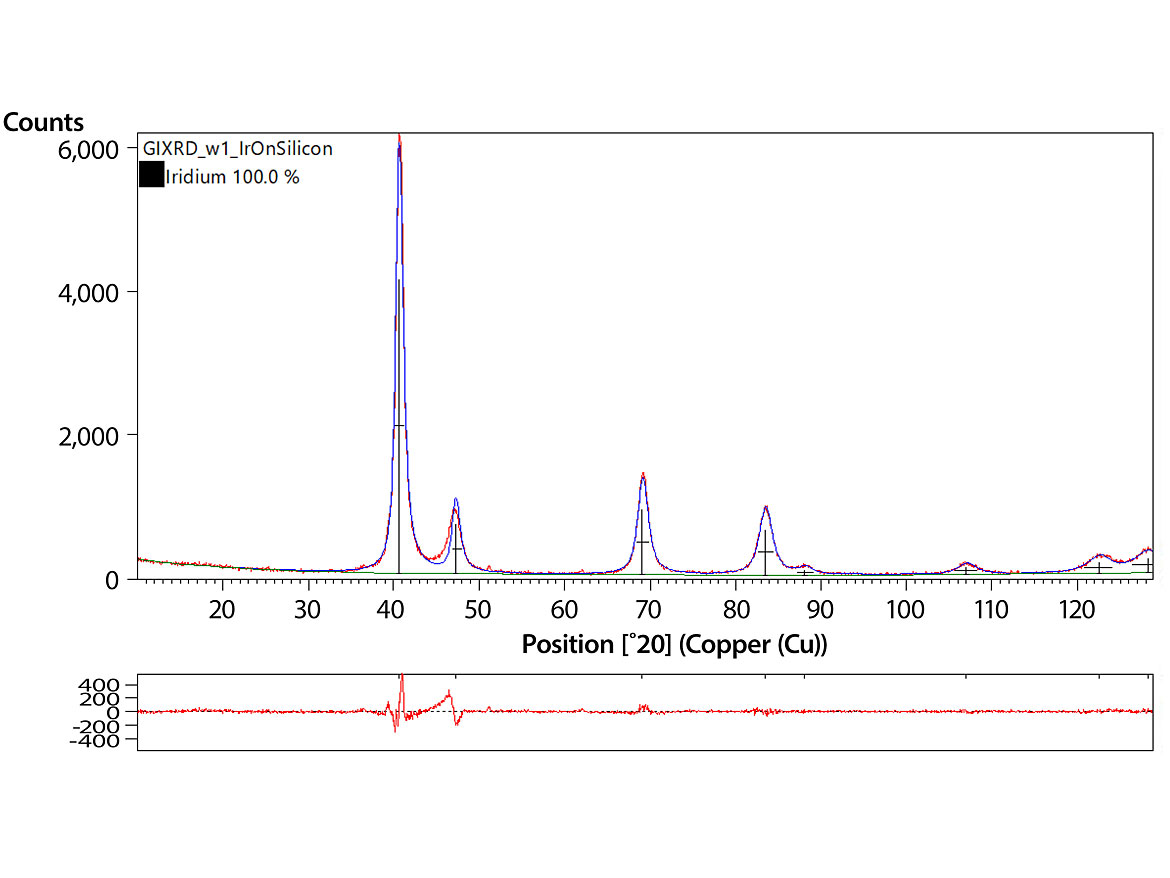
Using HighScore analysis software,1 results for average crystallite size (11.1 nm), and micro-strain (0.585%) are quickly obtained (Figure 2.2). These are structural parameters that help you to monitor and optimize your fabrication processes to obtain the required layer performance and product quality control.

For thin films and coatings, it is important to measure residual stress in the film both to understand how the residual stress forms in the layer during deposition and to understand the final quality of the film. Thin films can support high stresses and, in addition to offering chemical protection to a component, coatings can provide additional strength to a component or conversely weaken the whole component. Alternatively, a thin film that is overstressed can crack easily or become detached from the substrate. Crystallographic residual stress is a major quality control parameter in thin film processing. The residual stress within the layer can be determined using multiple-{hkl} residual stress analysis in Stress Plus2 software (Figure 2.3).

Comparison of the GIXRD data with conventional Bragg-Brentano data in Figure 2.4 shows that both iridium and silicon have strong diffraction peaks close to 69°2θ. With a GIXRD scan, the smaller iridium peak is now clearly visible and not hidden by the silicon substrate peak, and the higher angle peaks such as at 85° and 107° are more easily seen.
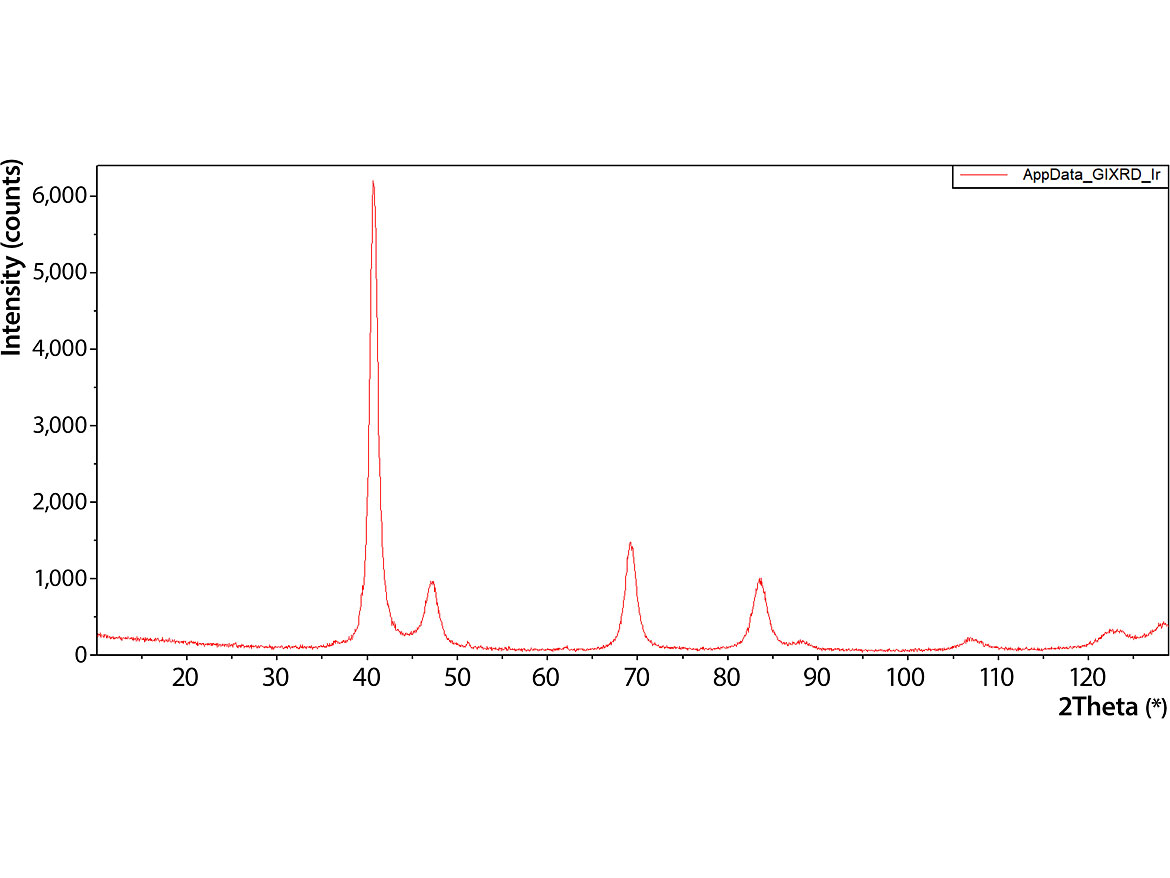
GIXRD measurement of a polycrystalline iridium layer on a silicon single crystal substrate measured with the new Aeris thin film setup showing very good data quality.
FIGURE 2.1 » GIXRD measurement of a polycrystalline iridium layer on a silicon single crystal substrate measured with the new Aeris thin film setup showing very good data quality.
The data allow phase analysis including fitting as shown on this example exported from HighScore Plus best fit was obtained for crystallite size value 11.1 nm and micro-strain value 0.585%.
FIGURE 2.2 » The data allow phase analysis including fitting as shown on this example exported from HighScore Plus best fit was obtained for crystallite size value 11.1 nm and micro-strain value 0.585%.
The residual stress within the layer can be determined using multiple-{<em>hkl</em>} residual stress analysis in Stress Plus software.
FIGURE 2.3 » The residual stress within the layer can be determined using multiple-{hkl} residual stress analysis in Stress Plus software.
Comparison of the GIXRD data with conventional Bragg-Brentano data clearly shows the benefit of the thin film analysis approach as it completely suppresses the intense substrate signal close to 69°, and the higher angle peaks such as at 85° and 107° are more easily seen.
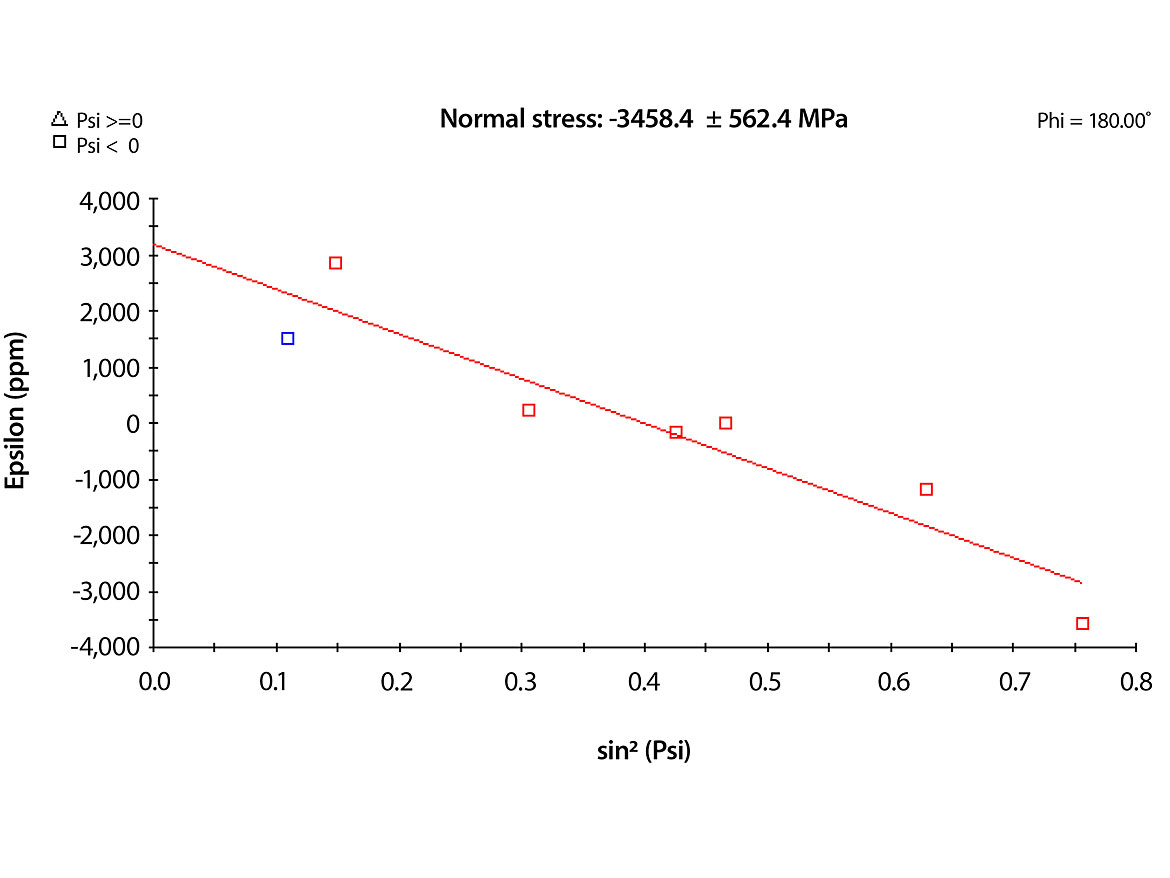
FIGURE 2.4 » Comparison of the GIXRD data with conventional Bragg-Brentano data clearly shows the benefit of the thin film analysis approach as it completely suppresses the intense substrate signal close to 69°, and the higher angle peaks such as at 85° and 107° are more easily seen.

Pb-Br-Perovskite on Glass Substrate

The processing methods and properties of PbBr3NCH5 perovskite thin films are being researched, as promising candidates for solar cells and detectors. They can be produced by a variety of deposition methods including cost-effective liquid coating. It is always important to maintain control of the structure throughout any processing steps. The crystal structure, crystallite size and residual stress are all important parameters in determining both the optoelectronic efficiency and structural robustness of the material during use.

These layers are designed for optimum absorption of solar energy wavelengths, and this means that they are quite transparent to X-rays. The grazing incidence configuration therefore maximizes the signal that can be obtained from the layers and so is the preferred geometry for the most efficient data collection.

Here we show examples of high-quality GIXRD data and analysis. The parallel beam optics with grazing incidence reduces beam broadening and hence leads to more accurate determination of crystallite size, strain, and residual stress. Grazing incidence geometry improves intensity from thinner films, where regular powder scans may not yield sufficient intensity for analysis.

Figure 3.1 shows data collected at different angles of incidence (omega). At omega 0.5° (red scan) the signal to background of the layer peaks are better than with omega 1° (blue scan). Unlike the example in section 3, the substrate is glass, which, being amorphous, provides a high background intensity. Being able to optimize the scan and reach low incident angles such as 0.5° is a great benefit for this kind of sample.

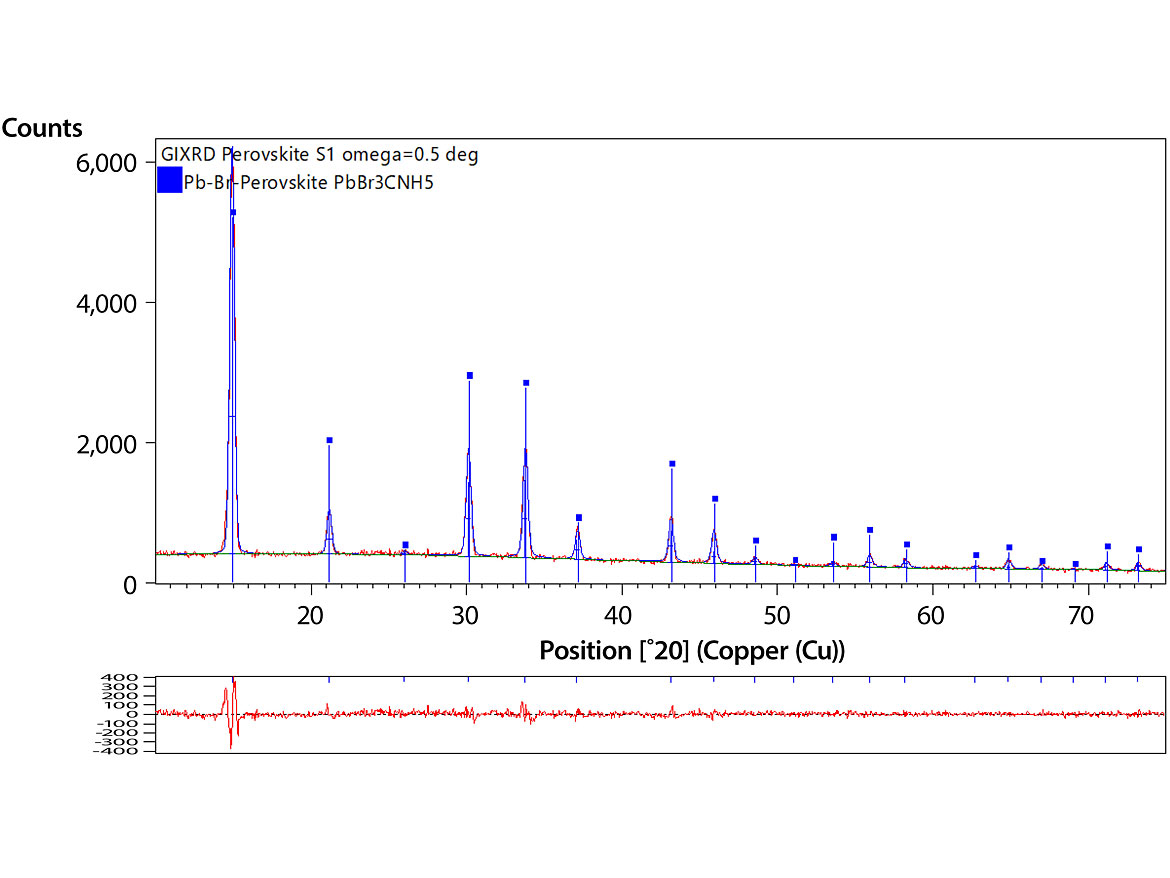
Crystal structure refinement is an important measurement for perovskites, even small changes in the crystal structure can have a large effect on the optical properties of this material. Figure 3.2 shows a best fit for refinement of the Perovskite structure using HighScore Plus analysis suite. In this way, the crystal structure can be continuously understood, and the optical properties controlled.
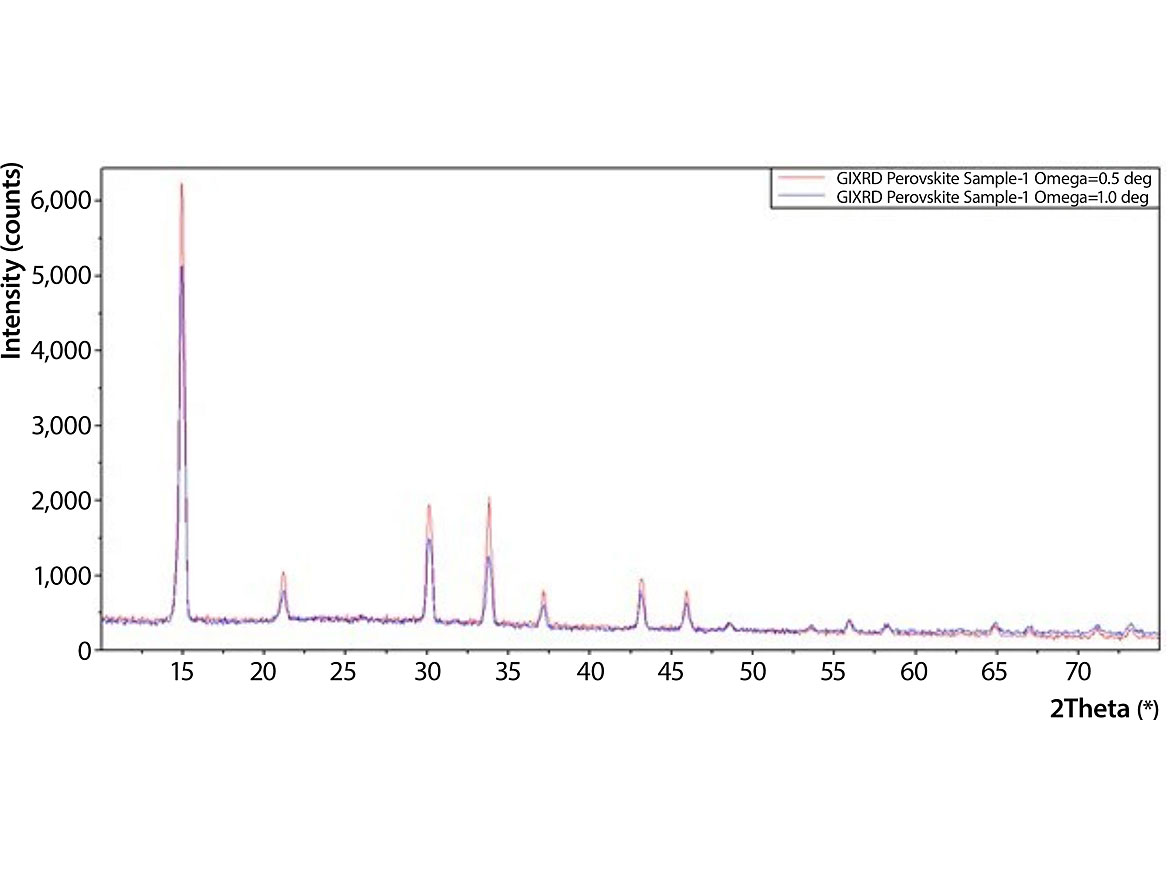
GIXRD measurement of a thin polycrystalline Perovskite layer deposited on a glass substrate measured with the new Aeris thin film setup
FIGURE 3.1 » GIXRD measurement of a thin polycrystalline Perovskite layer deposited on a glass substrate measured with the new Aeris thin film setup collected with two different angles of incidence. The data shows a very good quality and illustrates how angle of incidence can be optimized to obtain best quality GIXRD data.
The data enables good quality phase analysis including fitting and structure refinement as shown on this example exported from HighScore Plus
FIGURE 3.2 » The data enables good quality phase analysis including fitting and structure refinement as shown on this example exported from HighScore Plus


Summary

With Aeris, you have all the capability of powder diffraction in one compact instrument. Here we have shown two examples of GIXRD that demonstrate the versatility of Aeris and the quality of data. With the patented and unique PreFIX optical mounting system, Aeris is easily reconfigured for quick comparison of data from Bragg Brentano, transmission, and GIXRD methods. GIXRD scans can be obtained within minutes, and data at different angles of incidence can be compared to optimize the data collection settings. Together with the analysis software HighScore Plus and Stress Plus, high-quality data show the phase purity, crystallinity, crystallite size, micro-strain, and residual stress for a complete view of your polycrystalline thin-film sample.


References

1    Degen, T.; Sadki, M.; Bron, E.; König, U.; Nénert, G. Powder Diffr. The HighScore Suite, Vol. 29, No. S2; 2014.

2    Welzel, U.; Ligot, J.; Lamparter, P.; Vermeulen, A.C.; Mittemeijer, E.J. Stress Analysis of Polycrystalline Thin Films and Surface regions by X-ray Diffraction, J.Appl.Cryst., 38; 2005; 1–29.

KEYWORDS: films specialty coatings

Share This Story

Looking for a reprint of this article?
From high-res PDFs to custom plaques, order your copy today!


Malvern Panalytical, Worcestershire, United Kingdom

Recommended Content

JOIN TODAY
to unlock your recommendations.

Already have an account? Sign In

  • pci1022-Kinaltek-Lead-1170.jpg

    A Novel Pigment Production Technology

    Following an extensive R&D program that demonstrated...
    Paint and Coating Pigments
    By: Jawad Haidar and Nitin Soni
  • pci global top 10

    2025 Global Top 10: Top Paint and Coatings Companies

    The following is PCI’s annual ranking of the top 10...
    Global Top 10 and PCI 25
    By: Courtney Bassett
  • 2025 pci 25

    2025 PCI 25: Top Paint and Coatings Companies

    PCI's annual ranking of the top 25 North American paint...
    Paint and Coating Market Reports
    By: Courtney Bassett
You must login or register in order to post a comment.

Report Abusive Comment

Manage My Account
  • eMagazine
  • Newsletters
  • Online Registration
  • Subscription Customer Service

More Videos

Sponsored Content

Sponsored Content is a special paid section where industry companies provide high quality, objective, non-commercial content around topics of interest to the PCI audience. All Sponsored Content is supplied by the advertising company and any opinions expressed in this article are those of the author and not necessarily reflect the views of PCI or its parent company, BNP Media. Interested in participating in our Sponsored Content section? Contact your local rep!

close
  • colorful building exterior
    Sponsored byDow

    Insights into Exterior Architectural Coating Degradation: Bridging Accelerated and Natural Weathering

  • digital pigments
    Sponsored bySiltech

    The Fourth Dimension of Silicon: Siltech Q Resins

Popular Stories

Company News

What the AkzoNobel–Axalta Merger Means for the Future of Coatings

AkzoNobel and Axalta Headquarters

AkzoNobel and Axalta Announce $25 Billion Merger

Wacker logo

WACKER Plans More Than 1,500 Job Cuts


PCI Buyers Guide

Submit a Request for Proposal (RFP) to suppliers of your choice with details on what you need with a click of a button

Start your RFP

Browse our Buyers Guide for manufacturers and distributors of all types of coatings products and much more!

Find Suppliers

Events

September 4, 2025

N-Butylpyrrolidone (NBP) as a Green Solvent to Replace N-Methylpyrrolidone (NMP) in Industrial Coating Applications

ON DEMAND: EPA published a regulation proposal around N-methylpyrrolidone (NMP) in June 2024 to ban or limit NMP in many applications, such as paints and coatings and their removers. N-butylpyrrolidone (NBP) is a powerful and versatile solvent for a variety of industries looking for alternatives to substance of very high concern (SVHC)-listed solvents.

March 24, 2026

The Manufacturing & Automation eXchange (MAX)

MAX presents a rare opportunity to observe the full scope of manufacturing in one environment. From systems integration and materials handling to automation, quality, safety, and packaging, each discipline is represented through live, operational displays. By experiencing these technologies side by side, as they are on actual production floors, attendees gain a grounded understanding of how manufacturing functions align, overlap, and evolve in practice.

View All Submit An Event

Poll

Longest-running laboratory experiment

What is the longest-running laboratory experiment?
View Results Poll Archive

Products

Automotive Paints and Coatings, 2nd Edition

Automotive Paints and Coatings, 2nd Edition

Now in its second edition and still the only book of its kind, this is an authoritative treatment of all stages of the coating process.

See More Products
pci voices from the top ebook

PCI webinar

Related Articles

  • pci0512-PR-Rigaku_Miniflex.jpg

    X-ray Diffraction Instruments

    See More
  • pci1021-Schlenk-Lead-1170.jpg

    New Ultra-Thin Pigment Technology

    See More
  • EQUIPMENT: Benchtop X-Ray Spectrograph - Posted 5/30/07

    See More

Related Products

See More Products
  • thin film.jpg

    Thin Film Coatings Properties, Deposition, and Applications

  • nanostructuredthinfilms.jpg

    Nanostructured Thin Films and Coatings: Mechanical Properties

  • thin films.jpg

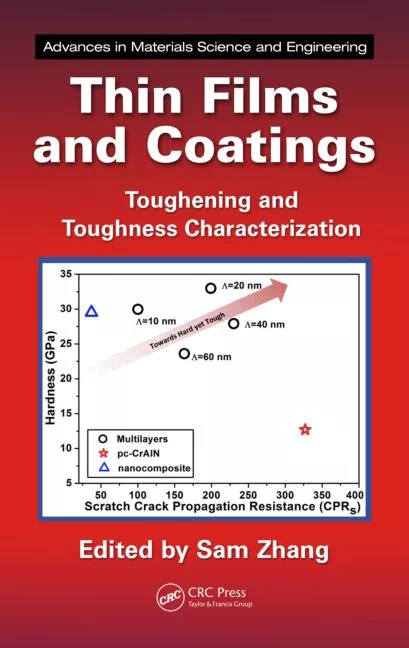
    Thin Films and Coatings: Toughening and Toughness Characterization

See More Products

Related Directories

  • X-Rite Pantone

    X-Rite delivers advanced color measurement and management solutions for the paints and coatings industry. Its instruments and software support precise color formulation, quality control, and consistency across production. X-Rite empowers manufacturers to achieve accurate, repeatable color, reduce waste, and enhance product appeal in decorative, industrial, and automotive coatings.
×

Keep the info flowing with our eNewsletters!

Get the latest industry updates tailored your way.

JOIN TODAY!
  • RESOURCES
    • Advertise
    • Contact Us
    • Directories
    • Store
    • Want More
    • Manufacturing Division
  • SIGN UP TODAY
    • Create Account
    • eMagazine
    • Newsletters
    • Customer Service
    • Manage Preferences
  • SERVICES
    • Marketing Services
    • Reprints
    • Market Research
    • List Rental
    • Survey & Sample
  • STAY CONNECTED
    • LinkedIn
    • Facebook
    • Youtube
    • X (Twitter)
  • PRIVACY
    • PRIVACY POLICY
    • TERMS & CONDITIONS
    • DO NOT SELL MY PERSONAL INFORMATION
    • PRIVACY REQUEST
    • ACCESSIBILITY

Copyright ©2025. All Rights Reserved BNP Media.

Design, CMS, Hosting & Web Development :: ePublishing