Rail Station Coatings Tested Against Harsh Coastal Exposure
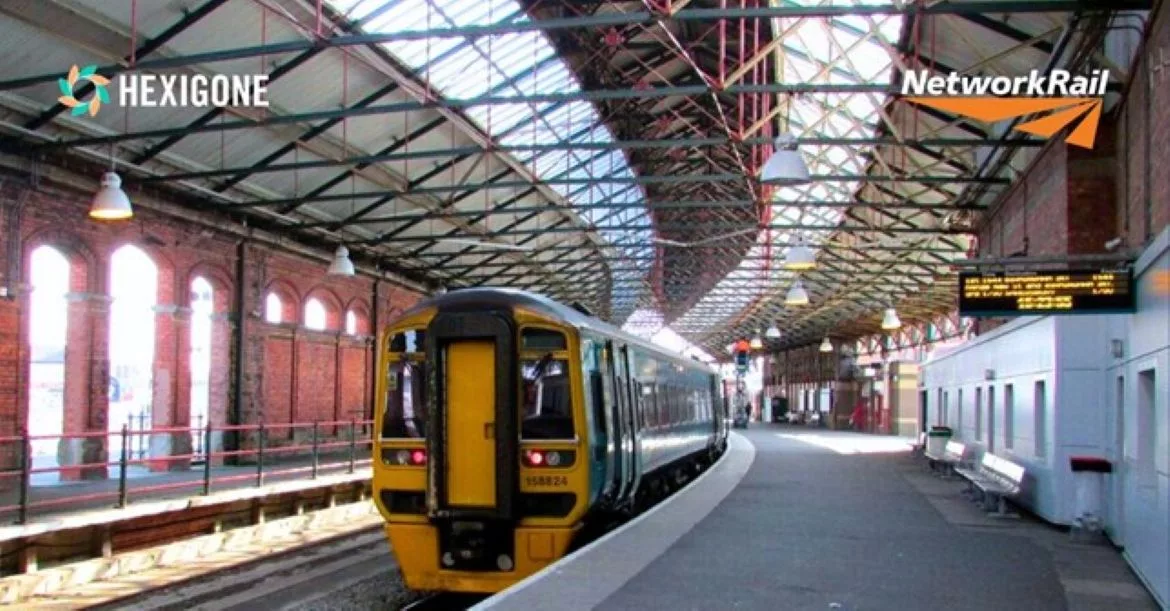
Holyhead station, a prominent railway station situated in Wales, is strategically located near a harbor and high street, serving as a key transport hub that connects the region’s rail and maritime networks.
As a result, the Grade II listed train station has endured persistent exposure to salty sea air, high humidity, heat from the trains and diesel fumes. This relentless environmental assault has resulted in significant corrosion of the structural steel canopies, causing progressive deterioration of the exposed steel. The extent of the damage has highlighted the need for a longer-lasting solution to preserve the station's structural integrity and historical value.
The Challenge: Harsh Environmental Exposure
Network Rail’s current coatings manufacturer could not guarantee their product's effectiveness due to the harsh location. As a result, their coatings failed within just 18 months — significantly short of the intended 15-year maintenance cycle. This prompted the need to find an enhanced paint system that could outperform the existing specified paint system in order to:
- Maintain structural integrity
- Preserve the station's historical features
- Reduce maintenance and repair costs
The Solution: A Smart Corrosion Inhibitor
The solution implemented was Hexigone's “smart” corrosion inhibitor, Intelli-ion® AX1, chosen for its superior corrosion protection in harsh environments. Achieving C5-level corrosion resistance, the inhibitor effectively combats corrosion in highly aggressive environments, such as coastal areas, while delivering longer-lasting protection. The technology has also endured 1440 hours in salt spray testing (ASTM B117) and offers enhanced adhesion and color retention in both laboratory and live testing.
Methodology
To compare performance, two protection systems were applied simultaneously:
- 50% of the train station was painted with a standard system.
- The remaining 50% was painted with a system enhanced with the inhibitor.
Note: The areas coated with the inhibitor-enhanced primer could not be fully prepared; it could not be washed to remove surface salts due to location and proximity to existing live electrical wiring, had poor surface preparation and the paint company used (a large tier 1 supplier) did not guarantee their system in these areas.
Laboratory Test Results: 1000 Hours Salt Spray ASTM B117
Panels with both standard paint and paint enhanced with the inhibitor were tested side by side. The addition of the technology improved corrosion resistance, significantly increased adhesion levels and improved the bonding of the aluminum primer to the metal surface.
 Credit: Hexigone
Real-World Results: Increased Protection, Improved Adhesion & Cost Savings
The addition of the inhibitor significantly enhanced the 50% repainting process of the mile-long station's surface, comprised of tool-prepared Victorian cast iron.
Contractors observed the following improved application properties: “the paint applied more easily, spread more evenly and provided more coverage.”
By enhancing surface tolerance, the technology improved adhesion by 163.16%, resulting in increased performance. This improvement led to reduced maintenance requirements, delivering a highly efficient, cost-effective solution with enhanced long-term asset protection.
3 Years After Application
The inhibitor demonstrated superior performance compared to the standard system, which was designed to provide 15 years of corrosion protection.
 Credit: Hexigone
 Credit: Hexigone
For more insights into protective coatings, visit PCI’s Industrial Coatings page.
Looking for a reprint of this article?
From high-res PDFs to custom plaques, order your copy today!