Managing Freeze-Thaw Stress in Reinforced Concrete Structures

- Freeze-thaw cycling causes moisture within concrete to expand during freezing, creating internal stress that can lead to cracking and deterioration.
- Repeated cracking allows chlorides and other corrosives to penetrate reinforced concrete and accelerate rebar corrosion.
- Silane water repellents limit moisture and chloride ingress while allowing concrete to remain breathable and maintain appearance.
- Different silane concentrations provide varying protection levels, with higher concentrations reducing moisture penetration more effectively.
- Surface-applied corrosion inhibitors can supplement water repellents by addressing corrosion risk at the rebar level.
Winter is coming to the Northern Hemisphere. That means reinforced concrete bridges, parking garages and buildings can be subjected to repeated freeze-thaw cycling. To minimize damage from these temperature swings, applying a water repellent can be an effective maintenance step. The following sections examine why freeze-thaw cycling poses a risk to concrete structures and how protective treatments can help mitigate deterioration.
The Danger of Freeze-Thaw Cycling
Residents of northern climates are familiar with extended periods of freezing winter temperatures followed by temporary thaws that melt snow and ice before refreezing occurs. Concrete is a porous material that absorbs moisture, which expands when it freezes. This expansion places stress on the concrete matrix and can lead to cracking over time.
 Credit: Cortec
As cracks form, additional moisture and corrosive agents can penetrate deeper into the structure. This process accelerates deterioration and increases the risk of corrosion, particularly at the reinforcing steel level.
Benefit of Applying Water Repellents
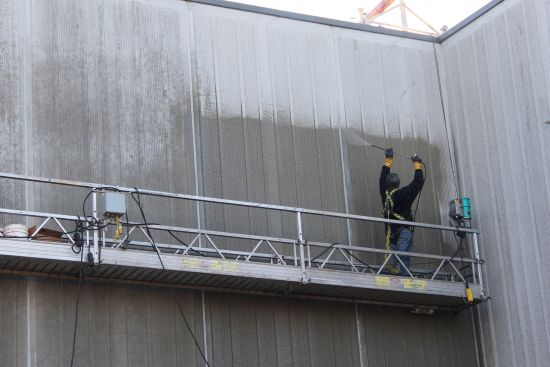
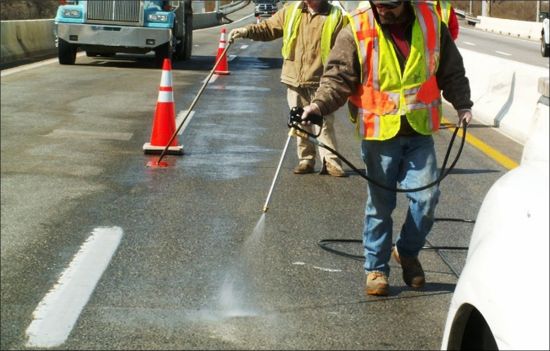
One approach to reducing the impact of freeze-thaw cycling is limiting the amount of moisture and chlorides that enter the concrete. Silane water repellents can reduce ingress while allowing the concrete to remain breathable and without significantly altering appearance.
 Credit: Cortec
A maintenance practice often recommended is application approximately once every 10 years, beginning as early as possible in the life of the structure, to help maintain long-term durability.
Choosing a Level of Protection
Engineers and contractors can select from a range of silane water repellents that offer varying degrees of protection. Lower-concentration silanes may provide a more budget-conscious option, while higher-concentration silanes reduce moisture penetration more effectively.
 Credit: Cortec
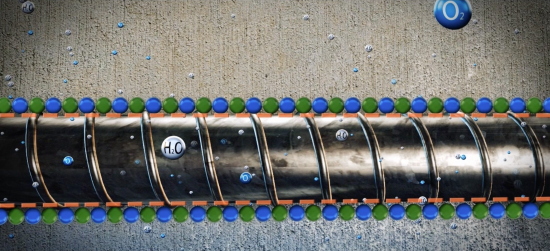
Combining a silane water repellent with a surface applied corrosion inhibitor can provide additional protection by limiting the ingress of corrosives while addressing corrosion activity at the rebar level if corrosives enter the concrete.
Protecting Concrete Structures Before Winter
Whether a concrete structure is new or in service, water repellents can play a role in maintenance strategies aimed at improving durability in freeze-thaw environments. By reducing moisture ingress and limiting exposure to corrosives, protective treatments can help reinforced concrete better withstand temperature fluctuations and support a longer service life.
Preventive strategies such as water repellents and inhibitors play an important role in extending service life across Industrial Coatings and infrastructure-related applications.
Looking for a reprint of this article?
From high-res PDFs to custom plaques, order your copy today!