Beyond Compliance: Elevating Safety and Responsibility in Chemical Distribution
Need to Know
- Responsible chemical distribution helps paint and coatings manufacturers reduce supply chain risk, support compliance and protect raw material quality.
- ACD members report layered workplace safety, security and environmental protection measures across chemical distribution operations.
- Responsible Distribution provides a framework for evaluating distributor performance beyond price and availability.
- The program supports regulatory transparency by documenting safety, environmental, security and product stewardship practices.
- For coatings manufacturers, distributor selection can affect raw material consistency, documentation quality, emergency preparedness and sustainability goals.
In the paint and coatings industry, performance is everything, whether it’s durability, finish quality or regulatory compliance. But that performance depends on a complex raw material supply chain that includes resins, solvents, pigments, additives, specialty chemicals and more. Failures in storage, handling or transportation can disrupt production, create compliance exposure and compromise product quality. Every step in the distribution process plays a critical role in ensuring raw materials arrive safely and consistently, helping manufacturers manage risk while maintaining performance.
At the Alliance for Chemical Distribution (ACD), we believe that the industry’s responsibility does not stop at compliance. Through the ACD Responsible Distribution™ program, which includes environmental, health, safety, security and sustainability standards that govern every phase of the chemical distribution process, ACD members are committed to going beyond regulatory requirements, investing in systems, training and continuous improvement to protect employees, communities and the environment. For paint and coatings manufacturers, those investments are not abstract. They directly affect the reliability of incoming raw materials, the safety of delivery and unloading operations, the quality of documentation used by environmental, health and safety and regulatory teams and the manufacturer’s ability to meet customer, insurer and auditor expectations.
Today, that commitment is backed not only by decades of program implementation but also by new research that helps quantify the scope and impact of these efforts. Those findings are important to the success of our supply chain partners and shape a broader campaign aimed at federal regulators, designed to better communicate the chemical distribution industry’s role as responsible partners in the supply chain.
A Data-Driven Look at Responsible Distribution
In 2025, ACD partnered with Seven Letter Insight to conduct research among both industry participants and federal regulatory experts. The goal was twofold: to better understand how Responsible Distribution is perceived and to identify the metrics that matter most when demonstrating industry performance.
The findings were clear. Regulators recognize Responsible Distribution as a signal of good-faith compliance and view participating companies as responsible actors. At the same time, they emphasized the importance of measurable outcomes, particularly in areas such as worker safety, environmental protection, security and product transparency.
To meet that need, ACD surveyed its membership to quantify the practices and investments that define modern chemical distribution. For paint and coatings manufacturers, who represent one of the largest end-use segments for chemical distribution, these findings offer important insight into the systems supporting their supply chains.
Safety and Security as Core Operating Principles
One of the most striking findings from the survey is the extent to which safety is embedded in distribution operations. On average, ACD members report implementing 14 layers of workplace safety measures, supported by comprehensive training programs and ongoing investment.
These measures are not theoretical; they are operational realities. They include everything from emergency response planning and hazard communication to advanced protocols such as confined-space entry, respiratory protection and machine safety controls. In 2024 alone, nearly 80% of ACD members invested in workplace safety training, with average expenditures exceeding $82,000.
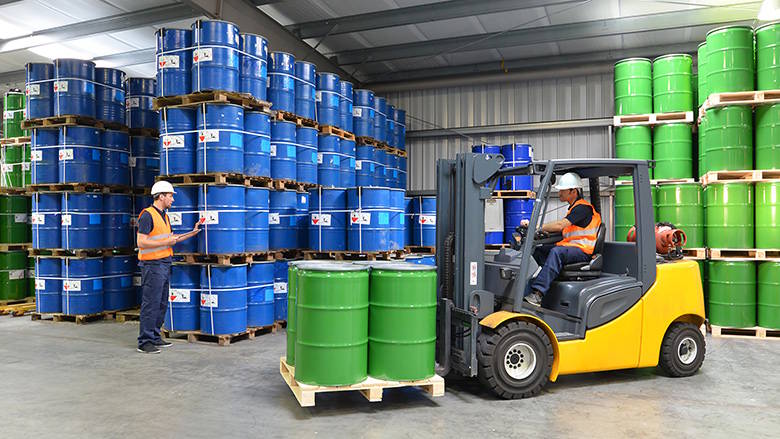
Security follows a similarly layered approach. Across facilities and transportation networks, ACD members deploy multiple safeguards to protect materials and infrastructure. From controlled facility access and cybersecurity systems to GPS tracking and chain-of-custody documentation, companies are working to ensure that chemicals are secure at every stage of the supply chain.
For the coatings industry, these practices help reduce the risk of supply disruptions and support alignment with increasingly rigorous internal safety standards.
Environmental Performance That Goes Beyond Requirements
Environmental stewardship is another area in which Responsible Distribution-verified companies are making significant investments. According to the survey, the average ACD member has 11 layers of environmental protection in place at their facilities.
These include spill prevention systems, emissions controls, stormwater management and hazardous waste handling procedures, along with broader sustainability initiatives such as energy efficiency and environmental monitoring. Importantly, these systems are backed by real financial commitments. In 2024, two-thirds of ACD members invested in environmental upgrades, with average spending reaching approximately $227,000.
The results are measurable. ACD members report extremely low rates of federally reportable incidents and significantly reduced environmental impacts compared to broader industry benchmarks. For coatings manufacturers navigating evolving sustainability expectations, these outcomes provide confidence that distribution partners are contributing to environmental goals.

Protecting Product Integrity
In coatings applications, consistency in raw materials is critical. Variations in quality can affect formulation performance, production efficiency and product reliability.
ACD members report taking an average of nine measures to ensure product quality, including supplier audits, material segregation protocols and both in-house and third-party testing. Advanced analytical methods and controlled storage environments further support material integrity throughout the distribution process.
For paint and coatings manufacturers, these practices help ensure that raw materials arrive as expected, meet specifications and perform consistently in formulation and production. That reliability supports more efficient manufacturing, fewer quality interruptions and greater confidence in finished product performance.
Chemical Distribution as a Regulatory Force Multiplier
One of the more important insights from ACD’s research is how regulators view the role of third-party programs like Responsible Distribution. While regulators are clear that oversight is necessary, they also recognize that programs such as Responsible Distribution can act as a “force multiplier.” By providing verified data and demonstrating adherence to best practices, Responsible Distribution can signal to agencies that participating companies, and downstream supply chain partners that use their services, are operating responsibly, allowing regulators to focus their attention on higher-risk actors.

This dynamic is increasingly important in an environment where government resources are stretched and efficiency is a growing priority. It highlights the potential for stronger collaboration between industry and regulators, grounded in transparency and accountability.
Translating Data Into Action: A Campaign for Regulators
Building on these findings, ACD has launched a targeted communications campaign aimed at federal regulators, beginning at the U.S. Environmental Protection Agency. The campaign is designed to highlight the tangible steps the chemical distribution industry is taking to operate safely and responsibly and to ensure that these efforts are fully understood by those shaping regulatory policy.
At the center of the campaign is a simple message: chemical distribution professionals go beyond compliance.
Using data-driven visuals and concise messaging, the campaign showcases key metrics such as the number of safety, environmental and security measures in place across ACD member operations, as well as the significant investments companies are making in training and infrastructure. The goal is not only to raise awareness but also to reinforce the value of Responsible Distribution as a framework that supports regulatory objectives. By demonstrating how companies are proactively managing risk, the campaign aims to position the industry as a partner in advancing safety, efficiency and environmental protection.
Why This Matters for the Paint and Coatings Industry
For paint and coatings manufacturers, the implications of this effort extend beyond regulatory engagement. As supply chains become more complex and expectations continue to rise, the performance of distribution partners plays an increasingly important role in overall business success.
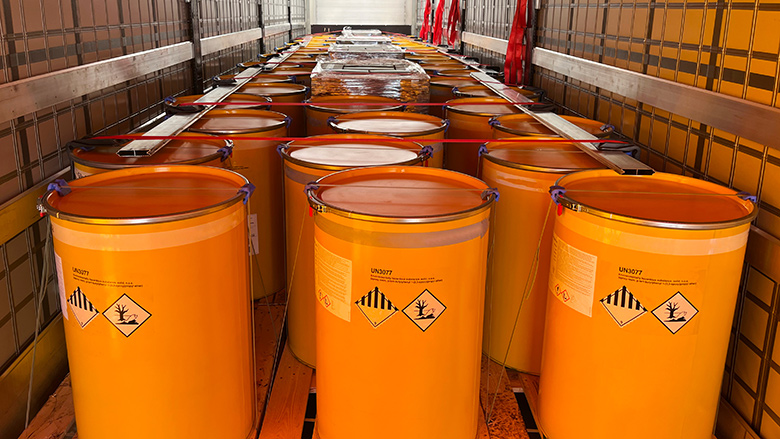
Responsible Distribution offers a clear benchmark for evaluating performance. It provides assurance that the chemical distribution industry is not only meeting regulatory requirements but also investing in the systems and processes needed to deliver consistent quality, minimize risk and support sustainability goals. In a competitive and highly regulated market, these factors can make a meaningful difference.
Looking Ahead
The coatings industry depends on a reliable and responsible supply chain. As the industry evolves, so too must the standards that define excellence in chemical distribution. Through Responsible Distribution and the new regulator-focused campaign, ACD is working to ensure that the industry’s commitment to safety, environmental stewardship and operational integrity is both measurable and visible.
For regulators, this effort provides greater transparency into how chemical distribution operates. For coatings manufacturers, the takeaway is clear: distributor selection should not be based on price and availability alone. Safety performance, environmental controls, product stewardship, documentation quality, emergency preparedness and participation in programs such as Responsible Distribution should all be part of supplier evaluation. Chemical distribution companies that invest in these areas are helping protect not only their own operations but also the manufacturers, employees, customers and communities that depend on them.
Responsible chemical distribution plays a critical role in supporting safer, more reliable supply chain practices across the paint and coatings industry.
Looking for a reprint of this article?
From high-res PDFs to custom plaques, order your copy today!