Covestro Targets New Biobased Production Milestone With €8.4M Project
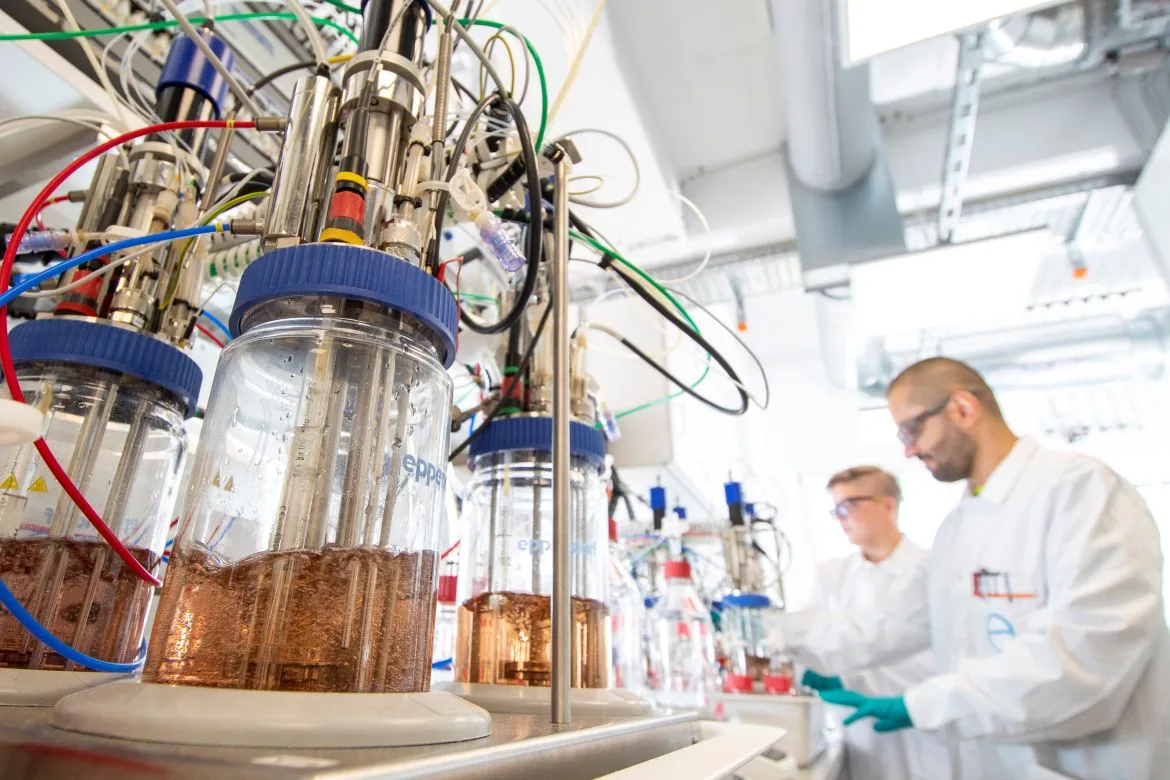
Covestro has launched Bio4PURConti, a 42-month research project aimed at developing what the company says would be the world’s first continuous production process for biobased aniline.
Aniline is a primary raw material used to manufacture methylene diphenyl diisocyanate, or MDI, a key building block for polyurethane products. Covestro said conventional aniline production generates approximately 20 million metric tons of carbon dioxide emissions globally each year.
The project builds on Covestro’s existing biobased process, which uses a tailored microorganism to convert industrial sugars derived from plant-based biomass into an intermediate through fermentation. Chemical catalysis then converts the intermediate into aniline containing 100% plant-based carbon.
Bio4PURConti will seek to replace the current fed-batch production method with continuous fermentation. Rather than adding raw materials and harvesting the product in stages, the proposed process would operate continuously using plant-based sugars, including feedstocks derived from hardwood biomass.
The consortium plans to scale the process from the laboratory to a 1.5-cubic-meter semi-industrial demonstration at Bio Base Europe Pilot Plant in Ghent, Belgium, and Covestro’s operations in Leverkusen, Germany.
The process will incorporate cell recycling, real-time analytics and downstream processing. Project goals include increasing space-time yields and reducing the product carbon footprint of aniline.
The resulting biobased aniline is intended to function as a drop-in replacement that meets existing MDI specifications without requiring changes to downstream polyurethane production.
“Demonstrating continuous fermentation at semi-industrial scale for a high-volume raw material like aniline will set a new benchmark for what biotech processes can achieve in the chemical industry,” said Markus Dugal, head of process technology at Covestro.
Covestro is coordinating a consortium of 10 industrial and academic organizations across seven countries. The project has a total budget of €8.4 million, including €7 million in European Union funding through the Circular Bio-based Europe Joint Undertaking.
Looking for a reprint of this article?
From high-res PDFs to custom plaques, order your copy today!