
TiO₂ Recovery Faces New Pressure as Global Capacity Returns
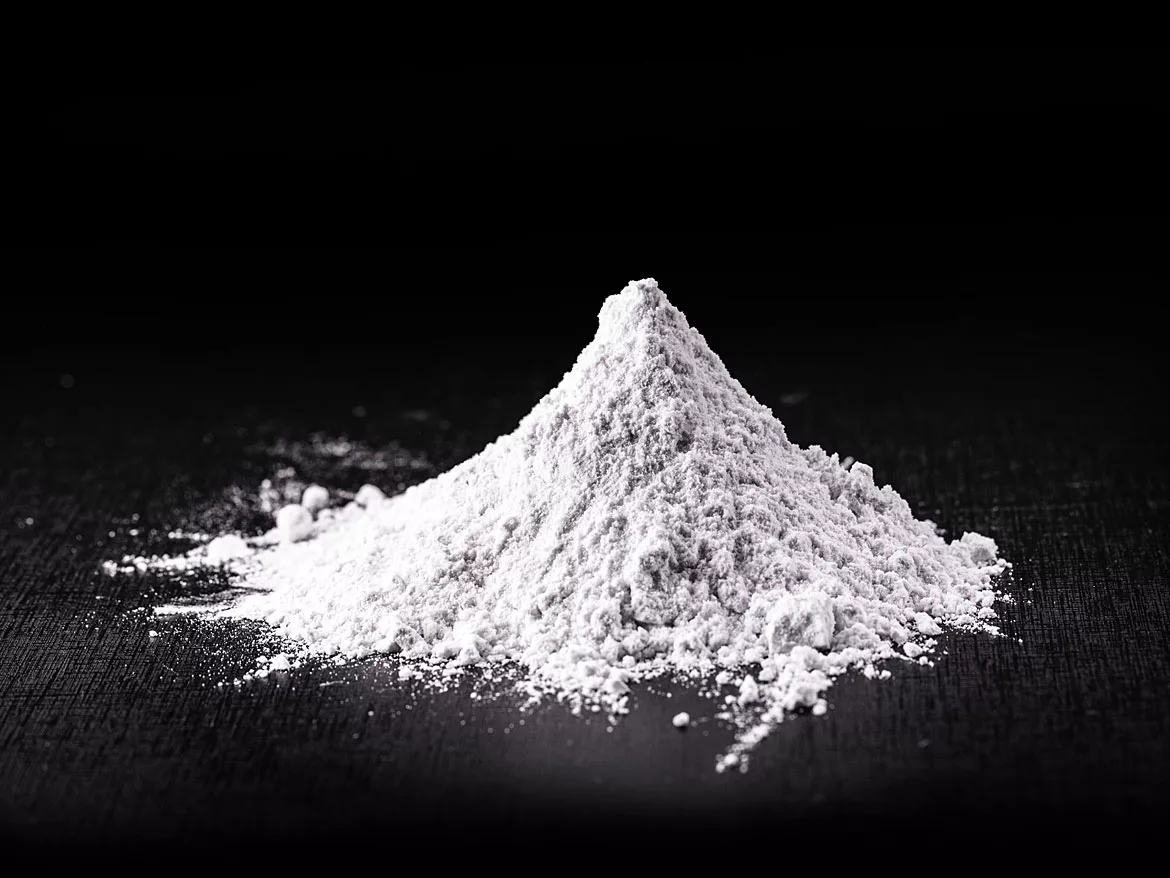
Global titanium dioxide demand is expected to improve in 2027, but returning manufacturing capacity, continued Chinese expansion and weak housing markets could limit producers' ability to sustain price increases, according to a new forecast from TiPMC Consulting.
The firm's Fall 2026 TiO₂ Pricing Forecast for 2027-2032 projects global demand of 7.37 million metric tons in 2026, an increase of 1.1%, followed by 3.2% growth to 7.61 million metric tons in 2027.
The outlook describes a cautious recovery supported in part by improved supply conditions during 2026. However, additional production capacity and continued weakness in important end markets are creating uncertainty for the industry's pricing recovery.
TiPMC said lower inventories, constrained effective manufacturing capacity and plant closures gave multinational producers greater pricing leverage during 2026.
Those conditions are beginning to change as former Venator production assets return, Chinese chloride-route capacity expands and construction activity remains weak in North America and Western Europe.
Demand Recovery Remains Uneven
TiPMC expects developing Asian markets to account for much of the anticipated demand improvement in 2027.
North America and Western Europe face a more difficult recovery because of housing affordability challenges, elevated interest rates and subdued construction activity.
Housing and construction remain particularly important to titanium dioxide consumption because the pigment is widely used in architectural coatings, where it provides opacity, hiding power and whiteness.
Although demand is expected to improve globally, TiPMC does not anticipate a conventional volume-driven market expansion.
The firm said a more durable recovery in differentiated TiO₂ demand will depend heavily on stronger housing and construction activity in mature markets.
U.S. housing data remained weak in September, according to the report summary, while European manufacturing and construction conditions also continued to constrain demand.
Pricing Improvement Faces New Challenges
Titanium dioxide prices strengthened in several regions during 2026 as producers benefited from lower inventories, manufacturing closures and tighter effective supply.
TiPMC reported that the global average price reached approximately $3,251 per metric ton during the second quarter of 2026, an increase of 2.9% from the previous quarter.
However, the consulting firm expects further price implementation to become more difficult as customers gain additional supply options.
Returning European production capacity, Chinese export competition and existing customer contract structures could limit the effectiveness of future price increases.
TiPMC expects additional pricing improvement but anticipates more uneven implementation across regions and customer groups.
The firm said multinational producers are continuing to emphasize value over volume, seeking to improve operating returns through pricing discipline, capacity management and product differentiation.
Chinese producers, meanwhile, remain focused on maintaining production, exports and market share.
Former Venator Capacity Adds New Competition
One of the forecast's most significant developments involves the potential return of production capacity at former Venator facilities in Europe.
TiPMC identified TiOxide, Indorama and Sol.Tiox as emerging producers associated with operations at Greatham, Huelva and Scarlino.
Together, the three operations represent approximately 310,000 metric tons of annual production capacity.
The return of those assets could introduce additional competition as established multinational producers seek to improve utilization and maintain pricing.
TiPMC developed scenarios examining the potential market impact of the three emerging European producers.
The extent and timing of their production ramp-ups will affect how much additional titanium dioxide becomes available to customers.
The report identifies this returning capacity as a significant test for the market's recovery, particularly if production increases faster than underlying demand.
Chinese Expansion Continues
China remains a major source of global titanium dioxide oversupply.
TiPMC expects continued expansion of Chinese manufacturing capacity, particularly for chloride-process TiO₂.
The firm sees little indication that producers will materially reduce planned projects or production growth in the near term.
Chinese manufacturers continue to emphasize output, export sales and market share, creating competitive pressure outside their domestic market.
That strategy contrasts with the approach of many multinational producers, which have focused more heavily on production discipline and pricing.
The resulting market remains divided between producers seeking stronger margins through controlled supply and those prioritizing utilization and sales volume.
PCI previously examined these dynamics in Gerald Colamarino's analysis, Over-Capacity and Tariffs Weigh Heavily on the Chinese TiO₂ Industry.
Antidumping Duties Reshape Trade Flows
Trade-defense measures are becoming an increasingly important part of the global TiO₂ market.
According to TiPMC, antidumping duties in markets including the European Union, Brazil, Saudi Arabia and India have improved competitive conditions for multinational producers by increasing the cost of certain Chinese imports.
The measures can support regional prices and market share for domestic and multinational suppliers.
However, they can also redirect Chinese exports into markets where trade restrictions are less extensive.
TiPMC expects these changes in market access to remain important as Chinese manufacturers seek outlets for production that exceeds domestic requirements.
The firm's forecast identifies India's renewed antidumping duties as one factor that could support multinational producer volumes and regional pricing.
The broader implications extend beyond individual tariffs, with trade barriers increasingly influencing regional sourcing decisions, producer utilization and the movement of titanium dioxide between markets.
Outlook Depends on Capacity and Market Discipline
TiPMC's latest forecast suggests that the industry's recovery will depend on more than demand growth alone.
"The Fall 2026 outlook supports a cautious recovery rather than a return to a traditional volume-led upcycle," the firm stated in its October analysis. "Demand should improve in 2027, but returning Western capacity, continued Chinese expansion, and weak housing markets will make pricing discipline and utilization increasingly important."
The firm identified disciplined capacity management, effective trade protections and stronger housing activity as factors that could support the outlook.
Conversely, if available capacity grows faster than underlying demand, suppliers could find it increasingly difficult to maintain pricing gains.
For multinational producers, TiPMC said successful performance will depend on operating reliability, capacity utilization, product differentiation, regional market access and price discipline.
For coatings manufacturers purchasing TiO₂, these developments could influence raw-material pricing, supplier availability and sourcing options as additional capacity returns to the market.
The analysis is included in TiPMC Consulting's Fall 2026 TiO₂ Pricing Forecast for 2027-2032. The complete report includes additional pricing projections, capacity scenarios and market analysis.
Learn more about the full forecast and subscription options from TiPMC Consulting.
Why It Matters to PCI: Titanium dioxide is a critical pigment for architectural and industrial coatings, and changes in supply, pricing and trade can affect formulation economics and raw-material purchasing. Explore more developments in PCI's Paint and Coating Pigments coverage.
Looking for a reprint of this article?
From high-res PDFs to custom plaques, order your copy today!