The final rule gives affected chemical facilities three additional years to prepare and submit response plans for potential worst-case hazardous substance discharges.
A customs-compliance designation for a European legal entity may simplify cross-border procedures and reduce inspection burdens without changing product-performance or regulatory requirements.
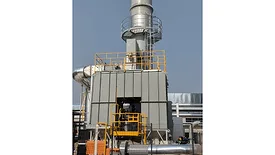
An emissions-control specialist explains how capture design, oxidizer selection, heat recovery and future capacity shape VOC-control decisions for coating operations.
New concentration limits take effect for consumer mixtures and other specified products, but the measure is not a blanket ban on all PFAS in industrial coatings.
The proposed consent-decree modification would add groundwater remediation at a former New Jersey manufacturing site, with public comments accepted through Nov. 2.
The Canadian Coatings Association says the proposed Building Canada Strong Act could improve regulatory coordination, investment conditions and supply-chain resilience for industries served by CASE manufacturers.
The Fifth Circuit rejected the agency’s whole-chemical risk approach and remanded the rule, but the separate 2019 consumer paint-stripper ban was not at issue.
Government and contractor documents reportedly point to inadequate primer, incompatible liner layers and heat-related blistering at the Lincoln Memorial site.