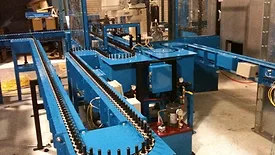
NCK Equipment’s hybrid model blends process engineering with community service, redefining leadership through purpose, empowerment and industry impact.
Trust, performance and verified testing define modern protective coatings partnerships, especially amid stricter standards and complex infrastructure demands.
Bio-based agricultural chemicals are degrading legacy finishes, pushing formulators to develop new resin systems that resist acids, microbes and ultraviolet exposure.
The following is PCI’s annual ranking of the top 10 global paint and coatings manufacturers, based on 2024 coatings sales and publicly available corporate information. All financial data is converted to U.S. dollars using exchange rates from OANDA as of the final day of each company’s fiscal year.

 RSS
RSS