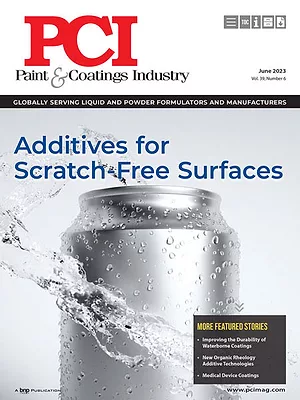
PTFE is a substance used in all types of coatings to modify total mechanical performance and improve values for scratch resistance and abrasion resistance, while simultaneously lowering surface friction. However, PTFE is a well-known representative of PFAS, which is under increasing global regulation. PTFE-free wax additives are now available, and provide comparable performance with a focus on improving abrasion and scratch resistance.
This month’s Formulating with Mike column is the conclusion to a three-part series, and covers the emulsification process as well as test data of alkyd emulsions.
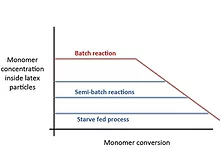
Semibatch emulsion polymerizations are predominately run in “starve-fed” mode, but what does that really mean? In this edition of PCI’s Did You Know column, EPCEd discusses the reasons to run in starve-fed mode, and more.
Abrasion is one of the most important defects that deteriorates the durability of coatings. The goal of the research presented in this article was to achieve a good understanding of the effects of coating additives on the abrasion resistance of waterborne coatings.
Concerning rheological stabilization of coatings, there is a trend to move away from hazardous raw materials, with preference given to the use of bio-based and sustainable chemistries, wherever possible. Testing of new organic additives shows good dispensability and ease of activation.
The production of effective, functional, and hygienic medical devices can be aided by the use and advancement of surface coatings that can alter physiochemical properties and functionality, among other features.
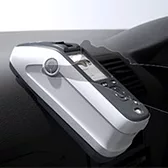
Q-Lab announced that all of its weathering and corrosion testers now feature “Gen 4” main controllers, with full-color touchscreen displays that can be operated in 17 different languages.
The innovations in modifiers aim to enable paint and coatings manufacturers to rethink modern coatings to include enhanced performance and safety with consideration for the environment.
The Fastfeed PLC offers mechanical advantages including rapid incorporation and wetting out of powder ingredients, coupled with a host of automation advantages such as ergonomic touchscreen operation, recipe storage, monitoring job stats, remote capability for maintenance or updates, and one-touch CIP mode.
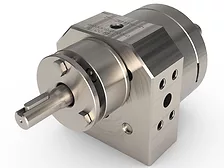
The pump is suitable for a wide range of fluids, including those that are abrasive or have poor lubrication and can be used for metering adhesives, coatings, paints/varnishes, colorings, catalysts, and resins.
The spring conference season has been a busy one. PCI’s Editor gives highlights of four recent events that focus on specific regions, yet welcome attendees from throughout the United States and the global coatings community.