
Are Weather-Responsive Coatings the Future of Architecture?
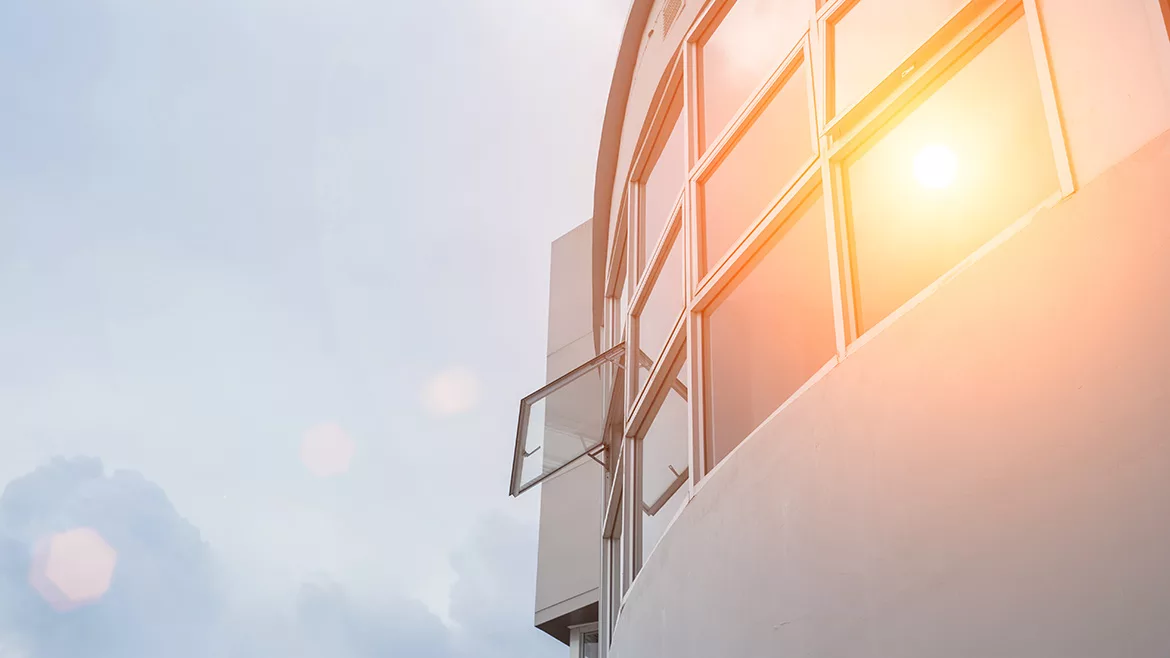
Calls for climate-responsive architecture are growing as weather patterns become more extreme and unpredictable. While elements like design and orientation can change the resilience of these buildings, simpler factors can also be altered. For example, weather-responsive materials in architectural coatings are a critical innovation to combating climate change and strengthening these structures.
The Evolution of Architectural Coatings
Traditional coatings served their purpose well. For instance, polyurethane was first utilized in the 1940s to harden materials. Two decades later, it was swapped out for an aliphatic hardener-based coating to resolve the yellowing effect the original coating option had.
Architectural coatings have changed over the years as priorities shift and the list grows larger. While many manufacturers still prioritize color stability and yellowing, there’s demand for more smart coatings with low to no volatile organic compounds. That way, it can protect the health of both workers and building occupants while becoming more adaptable.
Practicality in terms of application is also a must. Certain building coatings can be more popular among contractors responsible for application if they can harden even at low temperatures. A good amount of elasticity is also ideal for adjusting them to a project’s application needs.
What Weather-Responsive Coatings Offer
Weather-responsive coatings or thermally responsive coatings have the ability to adapt to the climate. Traditional coatings such as polyurethane have substandard weatherability and heat resistance while being incredibly flammable, which can be disadvantageous in an age of extreme heat.
Thus, bringing in innovative coatings that can regulate against certain weather and temperatures is a must for building safety. Whether wind, rain or shine, these could improve the structure’s overall energy efficiency and aesthetic appeal.
Four Best Kinds of Weather-Responsive Coatings
Weather-responsive coatings are a general category for several coverings that can adapt to climates. Here are some of the best kinds to look out for on the market.
1. Thermochromic Coatings
Thermochromic coating is an innovative paint that responds to how buildings interact with the environment. The color can transition from white to dark gray depending on the temperature. The hotter it is, the lighter the hue to reflect heat and cool the space within.
These thermally responsive coatings can procure curb appeal since they change with the seasons. They can lower the energy used for heating and cooling by 25% at most, which is ideal for industrial buildings like warehouses and factories.
2. Hydrophobic Coatings
Hydrophobic coatings refer to layers that help repel water from different surfaces. While films meant to prevent water absorption exist, they act more as a passive barrier between a material and rain or other fluids. These alternative options actively wick away water.
Manufacturers can also look forward to other properties, such as durability and self-cleaning attributes. Integrations of graphene oxide and cellulose nanocrystals have been found to improve surface protection and corrosion resistance of hydrophobic coatings.
3. UV-Blocking Coatings
UV rays can be a damaging by-product of sunlight. They can trigger color change and degrade surfaces earlier while also generating microplastics. Weather-responsive coatings such as UV-blocking films can help protect a building's exterior parts.
These can also benefit the indoor environment. After all, overexposure can degrade the furnishings and flooring within a structure. UV coatings can reduce glare and avoid damage for a while.
4. Cooling Coatings
Cooling coatings are designed to reflect away heat and light to help keep surfaces and interiors cooler. They’re typically applied to the roofs since they bear the brunt of the heat, but they can also be used on the exterior walls.
Various applications have tested cooling coatings to see how well they protect homes from heat and preserve colder temperatures. The consensus is they can generate 20% energy savings — a 4% reduction in overall U.S. energy consumption.
Applying Weather-Responsive Coating to Environments
Applying smart coatings is more meticulous than working with traditional ones. The first step is to incorporate the weather-responsive materials into a durable base material, followed by the appropriate fabrication methods.
Hydrophobic coatings, for instance, are built up of nanoparticles. These have to be dispersed in paints or cementitious material. To improve the substance’s adhesion, manufacturers must utilize more advanced techniques, such as in-situ chemical precipitation.
Depending on the formulation, the coating will be painted or sprayed onto the chosen surfaces. They should be compatible with the outdoor material to avoid chemical reactions that would make their passive abilities fail.
Challenges in Producing Weather-Responsive Coating
Weather-responsive coatings can be revolutionary tools for improving the architecture of different structures. However, challenges are keeping them from being the norm, at least in the near future.
One of the main issues in making them is the cost. While there is some demand in creating products that can respond to ongoing weather changes, contractors may not directly see enough to justify removing the traditional coatings used on buildings completely. The application process of smart coatings can also be much more complex than that of traditional ones.
Plus, concerns rise over how feasible a weather-responsive coating can be. Unpredictable weather patterns and increasing extremes can make it difficult to gauge how well coatings would survive such conditions, especially when they’ve only been tested in controlled environments.
Can Weather-Responsive Coating Be the Standard?
Standardizing weather-responsive coatings in architecture in the coming decades is possible, primarily when given the proper funding and research. As climate change’s effects become more apparent, the need for these materials will grow even more.
The general smart coatings market is expected to reach $11.25 billion in 2025, and estimates say it can get $57.58 billion by 2033. While most of the demand comes from the automobile sector, it’s only a matter of time before the architecture industry catches up and recognizes the benefits of these paint options.
Adapt With More Resilient Materials
Weather-responsive coatings can be quite promising when changing the standards. However, several considerations remain before they can be part of the mainstream options for building protection. With increased funding and testing, these coatings could change the future of the architectural world.
Looking for a reprint of this article?
From high-res PDFs to custom plaques, order your copy today!