
Inside the Process Behind Benjamin Moore’s 2026 Color of the Year
Inside this Article
- Color of the Year selection is a year-long research and synthesis process rooted in macro trends, not micro moments.
- Longevity and versatility are central to decorative color decisions across substrates and sheens.
- Existing color libraries can be reframed to reflect emerging cultural signals without introducing new SKUs.
- Trend forecasting in decorative coatings increasingly parallels broader materials lifecycle thinking.
Color of the Year announcements often arrive as polished visuals and carefully styled interiors. What is less visible is the structured research process behind those selections and how they connect to broader signals across design, manufacturing and materials.
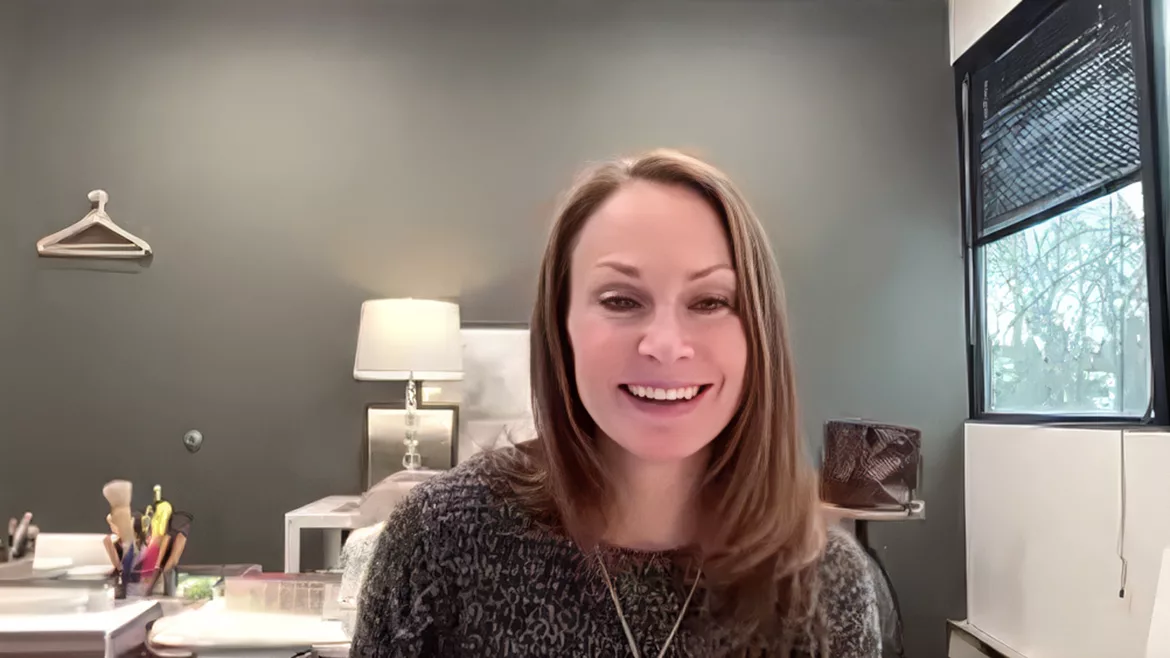
In a recent episode of PCI’s podcast, Andrea Magno, Director of Color Marketing and Development at Benjamin Moore, outlined how the company approaches its 2026 Color of the Year, Silhouette AF-655, and the palette that surrounds it.
Rather than creating a new hue each year, Benjamin Moore selects from its existing color library. The process begins roughly a year before launch and involves a small team reviewing global signals across fashion, interiors and other adjacent industries. Workshops, image studies and trade show observations help the group assemble what Magno described as a “puzzle” for the year ahead.
Researching Beyond the Paint Aisle
One of the defining characteristics of the selection process is cross-industry observation. The team evaluates how color is emerging in fashion, architecture and design, then pressure tests those signals against how paint behaves in real interiors.
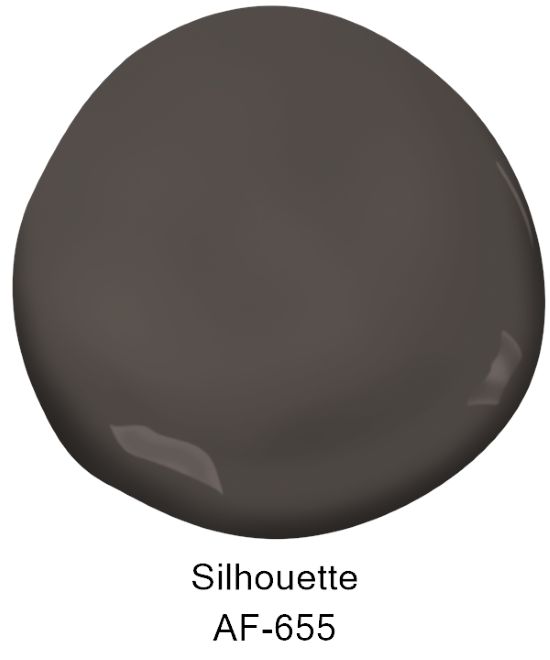 Photo Credit: Benjamin Moore
Silhouette itself is described as a deep brown with notes of charcoal, positioned as a softer alternative to black. It carries warmth and weight without feeling stark. Around it, the 2026 palette balances lighter, more ethereal hues with mid-tone and darker colors that convey structure and permanence.
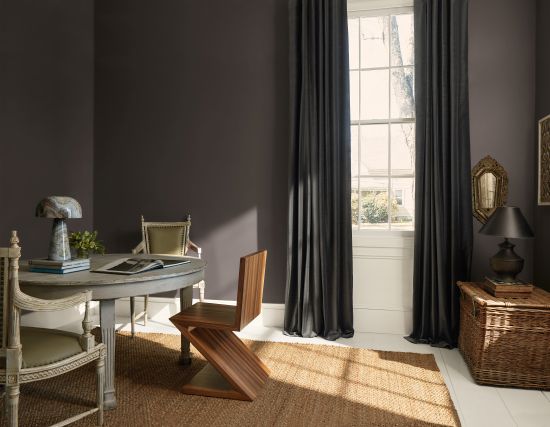 Photo Credit: Benjamin Moore
The key distinction this year was a shift away from short-cycle micro trends toward broader macro themes. Rather than chasing colors that may fade within a season, the team prioritized hues that could maintain relevance across years. That framing echoes conversations occurring elsewhere in coatings, where durability, long-term performance and functional value are increasingly central.
Longevity as a Design Strategy
For decorative paint, longevity operates on two levels. First, the color must work within evolving aesthetic preferences. Second, it must integrate into real-world spaces across different finishes and product lines.
Because Silhouette and the accompanying palette already exist within Benjamin Moore’s portfolio, they are available across most of the company’s product offerings. This allows homeowners and professionals to experiment with sheen variation, trim articulation and layered applications without introducing a new formulation variable.
Magno noted that finish selection can materially change how a color is perceived. A deeper tone in a matte application creates a different effect than the same hue in a higher gloss on millwork. These combinations allow designers and end users to personalize a space while staying within a cohesive palette.
Reframing the Existing Library
An important nuance in the Color of the Year process is that it often elevates existing colors that may have been overlooked. With thousands of colors in a portfolio, some hues remain underutilized until broader cultural signals align with them.
By repositioning those colors within a curated palette and narrative, the company effectively reframes the existing collection rather than expanding it. For coatings manufacturers and suppliers, that approach mirrors broader strategies of extending lifecycle value from established products.
In practice, the process becomes iterative. The team develops a draft palette, steps away, revisits and refines. Once finalized, the work shifts toward creative execution, including photography, digital experiences and messaging that translate abstract research into tangible inspiration.
Signals for the Year Ahead
Looking forward, Magno pointed to continued interest in personalization and layered application. Consumers increasingly want spaces that reflect individual identity rather than uniform trends. That shift places greater emphasis on combining color with finish, texture and architectural detail.
Listen to the full episode here or on our dedicated podcast page:
 BNP Media, Andrea Magno
- Listen for Andrea Magno’s analogy comparing palette construction to tailoring and layered fashion assembly (around 4:50
- Listen for her discussion of how color drenching is evolving rather than disappearing (around 14:05).
- Listen for her perspective on personalization and how finish selection adds a second design layer (around 15:50).
Listen to more Coat It! episodes here.
Looking for a reprint of this article?
From high-res PDFs to custom plaques, order your copy today!