EU BPA Deadline Reaches Food-Contact Coatings Market
A key EU transition period has ended for many BPA-based food-contact articles, with longer timelines remaining for select coating applications.
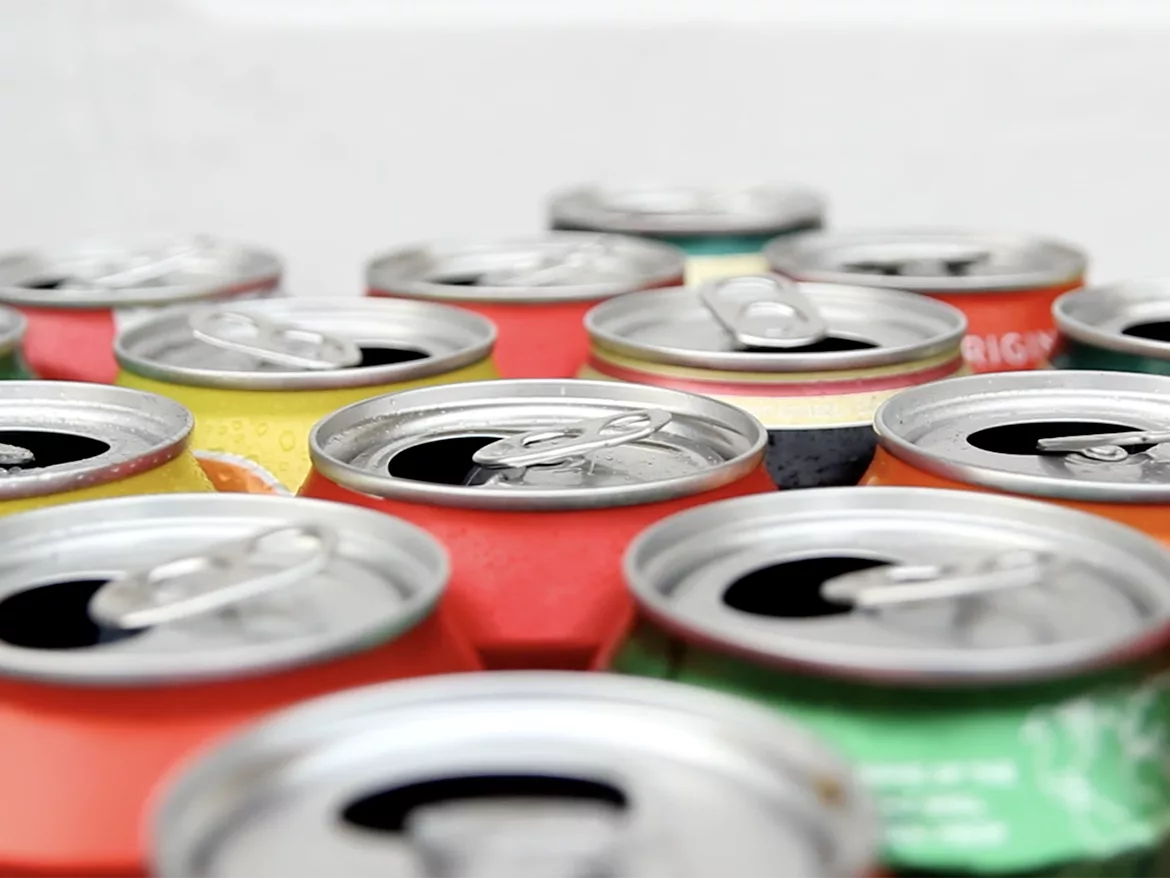
ancoay, Creatas Video+, via Getty Images.
A major transition deadline under the European Union’s restrictions on bisphenol A in food-contact materials took effect July 20, affecting coatings, varnishes and other materials used in food packaging and production equipment.
Commission Regulation (EU) 2024/3190 generally prohibits the use of BPA in the manufacture of food-contact materials and articles. Its scope includes adhesives, rubbers, ion-exchange resins, plastics, printing inks and silicones, as well as varnishes and coatings. The regulation also addresses certain other bisphenols and bisphenol derivatives with hazardous classifications.
For most single-use and repeat-use final food-contact articles manufactured using BPA under the rules previously in effect, July 20 was the final date on which those articles could be first placed on the EU market. The regulation took effect in January 2025 but provided a general 18-month transition period to allow manufacturers and food-industry customers to adapt.
The European Commission specifically identified coatings applied to metal cans and other food-contact surfaces among the applications covered by the restrictions. It said the transition away from BPA is particularly significant for metal-packaging coatings because the market has relied on numerous application-specific BPA-based epoxy formulations.
Several applications receive additional time. Single-use articles intended to preserve certain fruits, vegetables and fishery products may be first placed on the market until Jan. 20, 2028. The same extended deadline applies when a varnish or coating manufactured using BPA has been applied only to the exterior metal surface of a single-use food-contact article.
Repeat-use articles used as professional food-production equipment also receive a transition period through Jan. 20, 2028. Single-use articles placed on the market within the applicable transition period may be filled and sealed with food for another 12 months, and the resulting packaged food may remain on the market until stocks are exhausted.
The July deadline represents a milestone under an existing regulation rather than the adoption of a new ban. Manufacturers should assess individual coating systems, article types and end uses against the regulation’s exceptions, authorizations and documentation requirements.
Source: https://food.ec.europa.eu/food-safety-news/commission-adopts-ban-bisphenol-food-contact-materials-2024-12-19_en, https://eur-lex.europa.eu/eli/reg/2024/3190
Looking for a reprint of this article?
From high-res PDFs to custom plaques, order your copy today!