Designing Automotive Interiors for the Senses and Sustainability
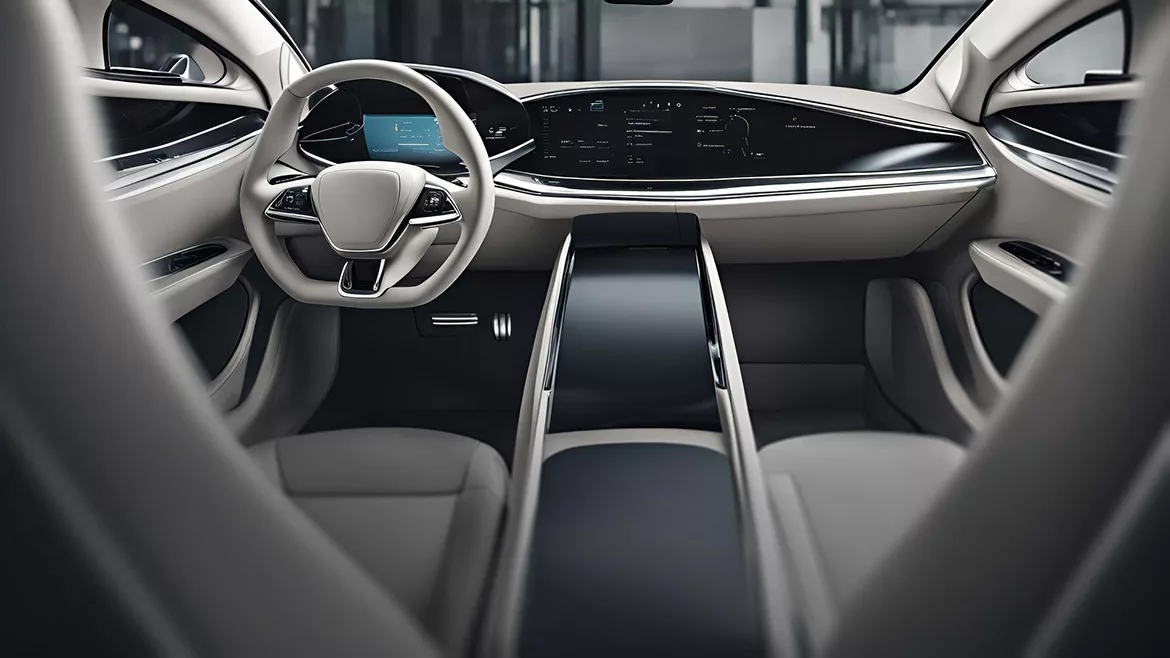
The smell of a new car, the comfort of a familiar seat, the vibrancy of color — while consumers often cite efficiency, safety or cost as reasons for their vehicle choice, sensory experiences often play a larger role. The way a car looks, feels, smells and sounds can influence how it's experienced and remembered.
As mobility evolves — from private ownership to shared transport, combustion engines to EVs — sensory design becomes more important. When vehicles double as meeting rooms, rest spaces or shuttles, interior quality matters. Once technical reliability is assumed, it’s the sensory experience that begins to define differentiation.
Martin van den Berg, global market manager, automotive seat and trim, performance coatings at Stahl, discusses how each sense contributes to the mobility experience.
1. Sight: Cleanliness and Appearance
Car interiors are shifting toward brighter, more minimal aesthetics. Surfaces are designed to convey tranquility, luxury and openness — but they are also more vulnerable to visible wear. Scuffs, stains and dye transfer can quickly disrupt a clean appearance, especially in light-colored seats, which remain a common complaint among car owners.
These challenges are amplified in shared mobility, where seats may show signs of prior use. Coating systems are now designed to maintain visual appeal while resisting everyday wear, stains and dye transfer — enabling clean designs to remain intact over time.
2. Smell: Culture, Chemistry and Air Quality
Scent remains both emotional and culturally variable. While the aroma of leather may evoke quality in some regions, it may be seen differently elsewhere. At the same time, rising attention to interior air quality is influencing material choices.
Low-VOC and VOC-free coatings help address both concerns — reducing harmful emissions while supporting a neutral or odor-free environment. Interior surfaces are increasingly expected to support a sense of freshness and cleanliness from the first drive onward.
3. Touch: Texture and Thermal Comfort
Touch plays a defining role in how interior surfaces are perceived. Matte textures and soft-touch finishes suggest comfort and calm, while cooler or firmer surfaces can signal precision. As consumers interact constantly with seats, panels and steering wheels, the haptic quality of coatings becomes critical.
Coating technologies are being developed to remain comfortable in changing climates, including bio-based options made in part from plant oils. These finishes reduce stickiness in heat and offer a natural-feeling surface that contributes to overall quality perception.
4. Sound: The Shift to Silence
With the rise of electric drivetrains, traditional engine noise has faded — making other cabin sounds more noticeable. Small rattles, rubs or squeaks can now stand out and influence how refined a vehicle feels.
Anti-squeak coatings and sound-dampening materials are now being incorporated into design decisions across all vehicle classes. These coatings help minimize micro-friction and absorb vibration over time, supporting acoustic comfort during daily use.
5. Sense of Responsibility: Design for Impact
Responsibility is emerging as a sixth design principle — not rooted in the five senses, but in ethical and environmental considerations. From recycled materials to bio-based coatings, the goal is to create interiors that reduce emissions and resource dependence while maintaining quality and performance.
Plant-derived materials, such as oils and starches, are being used in coatings that meet strict regulatory standards without compromising durability or aesthetics. Responsible interior design is increasingly viewed as part of the premium experience, offering transparency and long-term value alongside performance.
For more information, click here.
Looking for a reprint of this article?
From high-res PDFs to custom plaques, order your copy today!