The company's Color of the Year 2024, Sweet Embrace™, offers an opportunity for architects, fabricators, and coaters in the architecture and domestic appliances markets to differentiate their projects and provide a warm, calm, and liberating environment for their customers amid changing times.
Founded by major automotive equipment manufacturers, the CARES Forum creates a platform for OEMs and suppliers to discuss how to achieve a more sustainable manufacturing process.
There are key characteristics that differentiate legacy, petrochemical surfactants from bio-based surfactants, as well as chemically manufactured bio-surfactants from their biologically created counterparts, bio-surfactants.
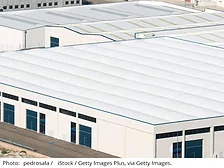
Anti-microbial chemistries hold much promise for tackling the persistent problem of mold and mildew growth on roofing materials, keeping them cleaner for longer and, consequently, enhancing product longevity and reducing the amount of wastage entering landfill.
The single-component, spray-applied coating system meets OSHA standards for protecting personnel from skin-contact burns on assets operating at temperatures up to 350 °F in one coat.
Naval Surface Warfare Center, Carderock Division has an ongoing project funded through the Office of Naval Research to develop a novel, corrosion-resistant poly(styrene-co-catechol) tie coat and adhesion promoter to improve CARC adhesion and performance to various composites, aluminum, and steel USMC ground vehicle surfaces.
For those looking to replace PFAS in their coatings formulations, this article discusses some experiments and data that show how organosilicones compare to PFAS compounds in critical performance criteria such as low surface tension/surface energy, COF, water repellency, oil repellency, stain resistance, and chemical stability.
Tailor-made waterborne core-shell polymers are increasingly used as binders in industrial coatings. Almost unlimited possibilities to control polymer properties make them the first-choice raw material in industrial metal protection, wood protection, and anti-fouling coatings.

 RSS
RSS