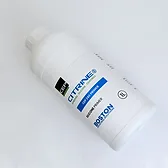
Silicone, or PDMS, is a linear, two-dimensional polymer. This well-known, widely used substance is a very low Tg liquid that is insoluble in both oil and water. Silicone materials typically impart wetting, shine, softness, and release when used in a formulation. They also impart flexibility, softness, haptic properties, and low surface energy to the network when reacted with another polymer.
A new thermal additive enhances energy efficiency and fire resistance, reducing heat absorption, improving emissivity, and meeting stringent environmental and building performance standards.
For those looking to replace PFAS in their coatings formulations, this article discusses some experiments and data that show how organosilicones compare to PFAS compounds in critical performance criteria such as low surface tension/surface energy, COF, water repellency, oil repellency, stain resistance, and chemical stability.
Over my 33 year career (so far) in organomodified silicones, customers have occasionally asked me for green, natural or sustainable products. The early requests were infrequent, usually for very specific circumstances, and somewhat vague with the askers often uncertain what their choice of terminology meant.
Elkem recently announced a strategic investment plan to unlock new specialty silicones supply for customers in Europe, the Middle East and Africa (EMEA), and the Americas.