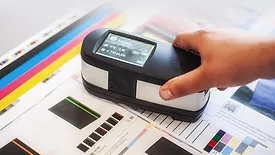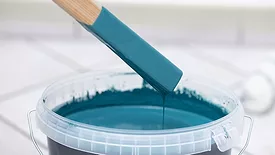


PCI’s February issue highlights testing, formulation performance and manufacturing decisions across paint and coatings. Coverage includes fire testing practices for passive fire protection systems, advances in coating hardness measurement and new insights into TiO₂ surface chemistry. Additional features examine equipment choices shaping modern manufacturing, open time extending additives, filtration strategies for automotive coatings, evolving Color of the Year approaches and applied learning through PCI’s Paint and Coatings Academy.
A yearlong Paint and Coatings Academy program delivers applied education across formulation, processing and polymer science through expert-led short courses.
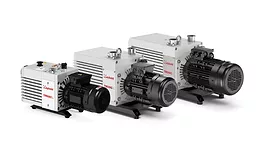
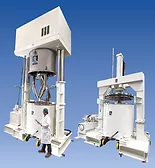
Process and facility equipment choices influence dispersion quality, manufacturing efficiency and workforce productivity across modern paint and coating operations.
Understanding how TiO₂ surface chemistry influences dispersion, stability and formulation behavior helps improve consistency and reduce variability in paint and coatings.
This study evaluates how open time extending additives influence open time, wet edge, viscosity, gloss and blocking across architectural and wood coatings.
This article examines fire testing standards for cellulosic passive fire protection coatings and their role in structural steel performance and compliance.
A technical comparison of electric and manual pencil hardness testing shows how speed, operator influence and automation affect coating hardness accuracy.
The modifier addresses issues such as co-solvent interference, viscosity instability and inconsistent metallic pigment alignment in waterborne industrial coatings.
The new operating system brings together non-contact coating thickness measurement, advanced connectivity, and integrated AI tools to make outcome-based coating regulation accessible for every production line.
Color of the Year announcements reveal shifting strategies in palettes, launches and forecasting, with growing implications for pigment development and coatings formulation.